Plans to allow legally binding marriages in gardens, pubs, farms and other non‑traditional locations have won praise from wedding professionals across Gloucestershire, who say the changes would give couples greater freedom and cut costs.
What the reforms would change
The government’s draft overhaul, the largest revision of marriage law in nearly two centuries, would permit a ceremony to be legally recognised at almost any site approved by a registered officiant. That could include private homes, licensed pubs, notable outdoor spots and even vessels like cruise ships, provided the location meets standards set out by the officiant.
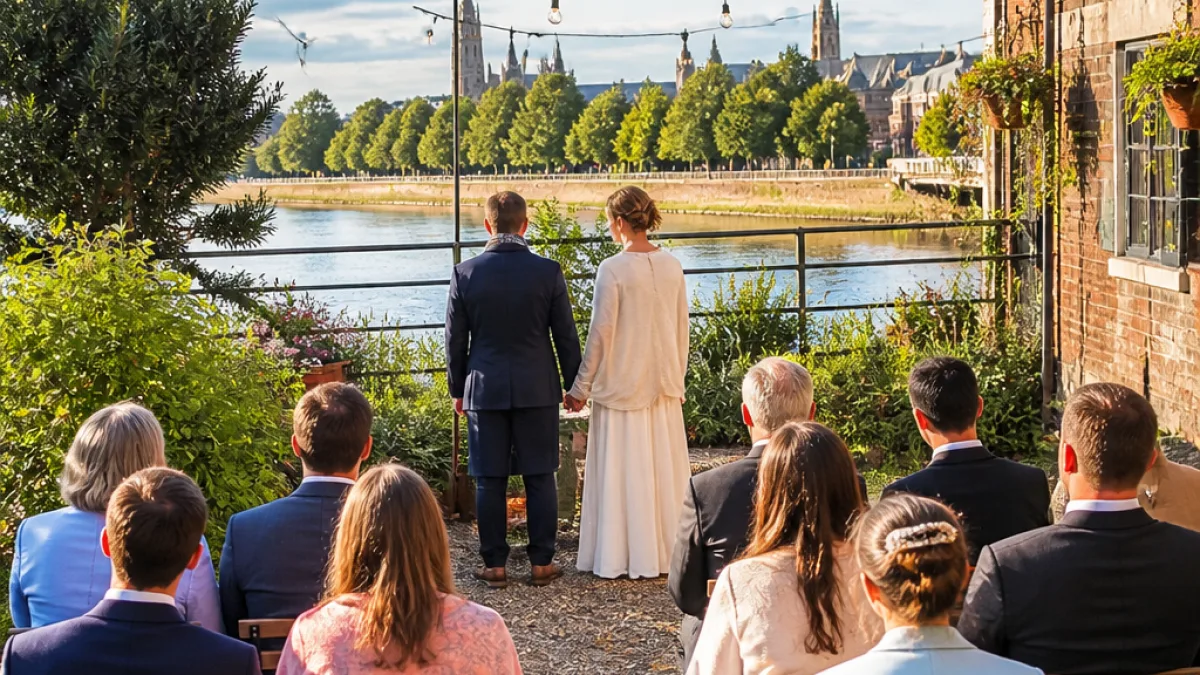
“To be able to have it where they had their first date or a favourite spot by the river means the celebration can be truly unique,”
Local celebrants and planners said the move would be particularly helpful for couples wanting to blend traditions or hold more personalised services. Currently, many couples in the region have to complete a separate legal ceremony at a register office before holding a more informal or celebrant‑led event.
Voices from the local industry
Celebrants operating in Bristol, Somerset, Gloucestershire and Wiltshire told InfoRadar that the dual‑step process can be inconvenient and costly. One independent celebrant described the existing routine as a “two‑step process” that typically means couples sign paperwork at a registry office shortly before their chosen celebration.
Wedding planners based in the West of England welcomed the chance to modernise services and said the proposals would benefit interfaith couples aiming to reflect varied beliefs within a single, legally recognised ceremony.
Practical safeguards and limits
The government has said weddings must remain "serious" and "dignified", and safeguards would be imposed to prevent unsuitable locations. Officials have indicated certain places — where distractions or interruptions would be likely — could be ruled out.
- Couples could legally marry at private venues once approved by a registered officiant.
- Officiants would assess whether a location is appropriate, considering interruptions, safety and formality.
- Some high‑risk locations would be excluded to preserve solemnity.
| Now | Proposed |
|---|---|
| Most celebrant ceremonies not legally binding | Celebrant‑led ceremonies can be legal if officiant approves venue |
| Couples often need a separate registry office ceremony | Single legally recognised ceremony at chosen approved location |
Locally, venue owners — from small pubs to farm estates — may see new opportunities if the rules change, while couples could save on the cost and logistics of arranging two ceremonies. The government will set out further detail on how officiants will be registered and what criteria will govern venue approvals as the proposals progress through consultation.
For Gloucestershire couples considering a riverside, garden or other bespoke setting, the reforms promise more choice. Officials stress that any permitted location will still need to meet standards intended to protect the integrity of the marriage ceremony.