
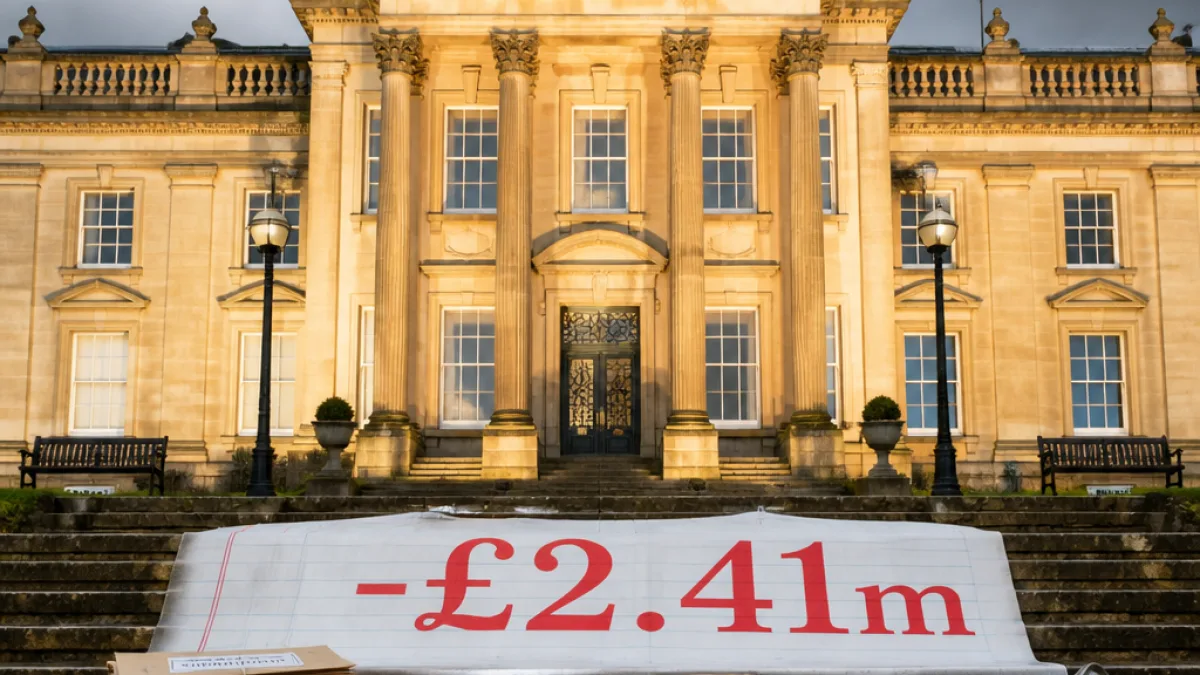
Redcar and Cleveland Council substantially reduced its spending in 2025/26 yet ended the year £2.41m over its approved revenue budget, according to the authority’s financial outturn presented to cabinet members. The overspend is less than half the scale of the previous year’s gap, but still leaves pressure on services and reserves.
Where the pressure came from
The council attributes most of the overspend to rising costs and demand in children’s services. The outturn recorded a £7.132m overspend for that directorate, with higher numbers of children in care and an increase in expensive placement types cited as the principal drivers. Adult and community services also overspent by £1.784m.
“Delivery continues against the children’s and families action plan that was developed through the council’s transformation programme,”
The report adds that member-led task and finish groups and sector-led improvement support are focusing on managing demand, de-escalating care packages and strengthening the local care market to create capacity and value for money.
How the overspend was reduced
Council leaders point to a package of control measures first introduced in 2024/25 that continued through 2025/26. These included a freeze on non-essential recruitment, curbs on non-essential expenditure and efforts to maximise external grant funding. The report says those steps helped to mitigate pressures and more than halve the overspend compared with 2024/25.
- The council drew on £1.309m of its reserves to cover part of the shortfall.
- Certain departments ran underspends that offset some of the higher-cost services.
- Work to reduce demand for the most expensive care packages remains a central priority.
Offsets and departmental performance
Some services reported underspends or favourable allocations that helped counterbalance the children’s and adult services pressures. Notable figures included an underspend of £1.299m in growth, enterprise and environment, £1.185m in the resources directorate and a £6.352m favourable position in corporate allocations forecast.
| Area | 2025/26 variance |
|---|---|
| Children’s services | £7.132m overspend |
| Adult & community services | £1.784m overspend |
| Growth, enterprise & environment | £1.299m underspend |
| Resources directorate | £1.185m underspend |
| Corporate allocations | £6.352m underspend |
When taken together, those underspends reduced the net overspend to the reported £2.41m on day-to-day revenue spending. The revenue position is separate from the council’s capital programme, which covers long-term investment projects.
Local consequences and next steps
For residents, the figures underline that the most acute financial risks for the council stem from social care demand—particularly high-cost children’s placements—that are largely driven by need rather than discretionary local spending. The council’s continued use of reserves, while permissible, is not a long-term solution; sustained overspends in social care risks crowding out other services or leading to difficult choices in future budgets.
Cabinet papers say ongoing work will focus on managing demand, reducing reliance on high-cost placements where clinically appropriate, and developing the local care market to improve both capacity and value for money. The council will also maintain its control measures on recruitment and non-essential spend while seeking to access external funding where available.
Residents and local service providers should expect further reports and targeted action plans from the council as it seeks to balance statutory care obligations against an increasingly constrained revenue envelope.