
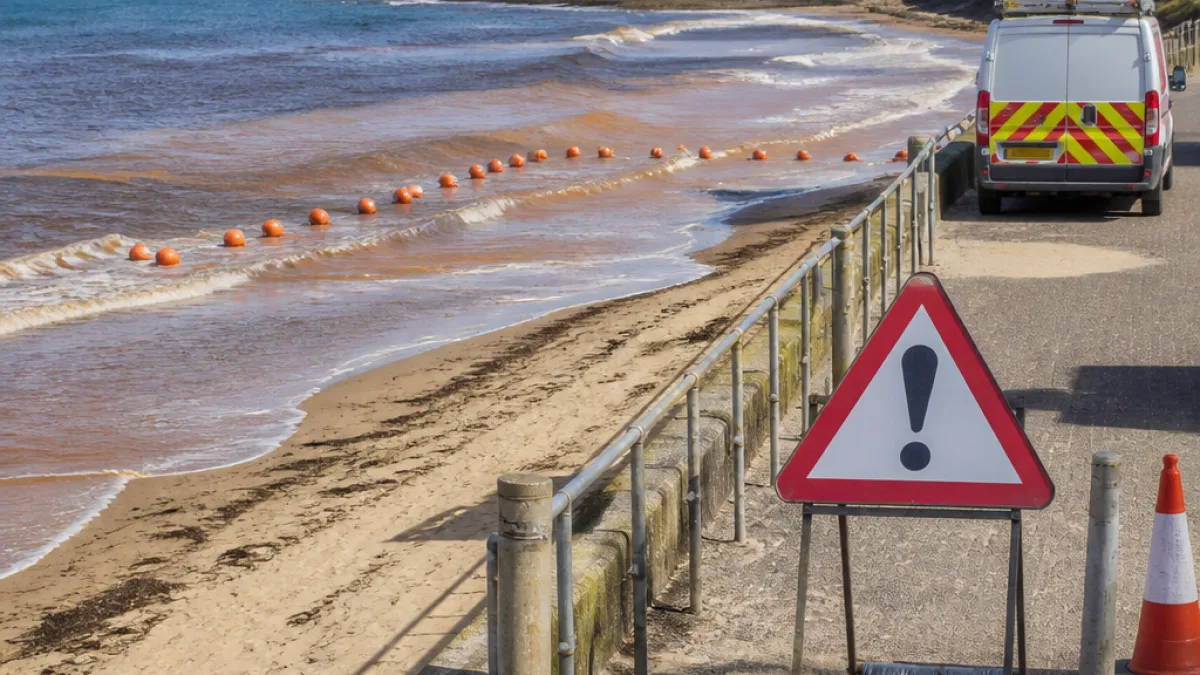
Council alarm over bathing water after reports of "brown water"
Councillors in Redcar and Cleveland have pressed Northumbrian Water over repeated sewage-related discharges into coastal waters around Marske and parts of the Guisborough catchment after residents reported visible pollution and health worries. At a recent council meeting, local members set out accounts of illness among people and animals who had entered the sea, and figures showing a high number of overflow activations in the last year.
Company pledges major investment and new technology
Northumbrian Water says it has committed almost £200m to projects intended to deliver a “significant reduction” in the number of discharges from storm overflows in the area. The company also confirmed it is trialling artificial intelligence as part of one of the works being planned.
“We share our customers’ and communities’ passion for having clean waterways and we understand that reducing the use of storm overflows is one of the most important things we can do.”
The remarks came from a company spokesperson responding to councillors’ concerns and to public unease over the use of storm overflows — systems designed to release wastewater when sewers risk being overwhelmed, for example during heavy rainfall or when blockages occur.
What councillors and residents are saying
At the meeting, Councillor Dr Tristan Learoyd cited local reports of "sick dogs and surfers" and produced data indicating that in the previous year there were 143 occasions when sewage was discharged into the sea at Marske. He warned that such incidents were damaging a key tourist asset and called for more to be done to protect bathing waters.
- Local councillors report health and amenity impacts from discharges.
- Northumbrian Water is planning a substantial investment and technological pilots.
- Regulatory bodies such as Ofwat and Defra standards are referenced in ongoing assessments of water quality.
Context on bathing water performance
The company highlighted long-term improvements across the region, noting that 33 out of the region’s 35 assessed bathing waters, including those on the Redcar and Cleveland coastline, meet Defra’s top ratings of "good" or "excellent". That point was made to underline progress while the firm develops further interventions to curb storm overflow use.
| Figure | Detail |
|---|---|
| £200m | Planned investment to reduce sewage discharges in the Marske and Guisborough catchment |
| 143 | Reported occasions of sewage being pumped into the sea at Marske in the last year (as cited by councillors) |
| 33 of 35 | Regional bathing waters meeting Defra’s 'good' or 'excellent' ratings, according to the company |
What this means locally
For residents and visitors, the dispute highlights two intertwined realities: improvements to overall bathing-water quality across the wider region, and continuing localised problems associated with storm overflows during certain conditions. The company's investment proposal and trial of AI tools may help reduce the frequency of discharges, but councillors and community groups will be watching for concrete delivery and clearer reporting on when and why overflows operate.
Regulators such as Ofwat set performance expectations for water companies, and public concern remains high over the use of storm overflows because they release a mixture of used water and material flushed down drains. The forthcoming work by Northumbrian Water will be judged against both environmental outcomes and the lived experience of those who use the coast for recreation and business.
Further local scrutiny is expected at council level as details of the projects and their timetable are presented, and residents are likely to press for greater transparency about monitoring, spill frequency and measures taken to protect beaches and public health.