Toads reappear in a local garden as long-term decline continues
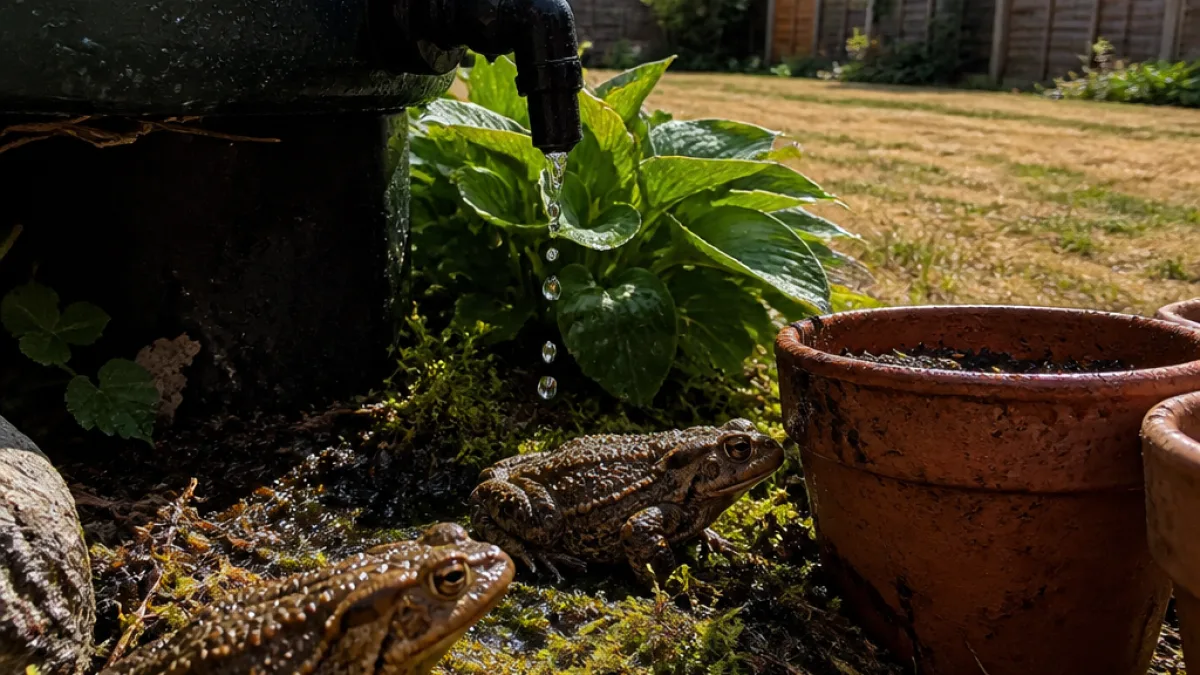
Amid ongoing concerns about habitat change and increasingly erratic weather, a recent encounter in a local wildlife garden has highlighted the precarious state of amphibians around Rotherham. Naturalist Ian Rotherham reports that two Common Toads appeared in his garden within days of each other — a notable event given how markedly numbers have fallen since the early 2000s.
Two decades ago, seasonal movements of frogs and toads from nearby ponds once created the sort of road-crossing scenes many long-time residents will remember. Today, he observes, those mass journeys have diminished to occasional sightings and a handful of individuals. The latest visitations — first a smaller male, then a larger female — puncture the gloom with a modest sign of persistence, even as broader trends remain troubling.
Weather extremes shape who ventures into gardens
The account draws a clear contrast between frogs and toads during hot, dry spells. Frogs, with thinner, moisture-dependent skin, retreat to open water when conditions turn parched. Toads, by comparison, cope better on land thanks to their drier, warted skin and can range more widely in search of prey. In this case, both animals headed for damp, shaded growth and clusters of pots — microhabitats that hold cool air and invertebrates such as worms and insects.
Notably, the female crossed a sun-warmed patio without obvious signs of heat stress before pausing when disturbed. That moment offered a close look at how toads respond to threats: they may remain motionless at first, then make themselves appear larger. As the observer describes it, toads can
“inflate [the] body and blow out the sides of [the] abdomen”to discourage would‑be predators. Placed back into cooler shade, the animal moved on without resorting to further measures.
Defence strategies: what residents might notice
Toads rely on simple but effective tactics when approached or handled. Residents who encounter them around flowerbeds or beneath planters might see a sequence of behaviours, from stillness to dramatic posturing and, if further disturbed, chemical deterrence. Understanding these responses can prevent unnecessary alarm and reduce the chance of stressing the animal.
| Behaviour | Purpose |
|---|---|
| Freezing (remaining motionless) | Avoids detection and may cause predators to lose interest |
| Body inflation | Appears larger and harder to swallow; a visual warning |
| Urinating | Startles or deters an attacker during close contact |
| Release of skin secretions | Noxious fluids discourage predators from persisting |
In the reported incident, only the visual warning was triggered, with the toad quickly resettled into the cool undergrowth before the stronger measures were needed. This small detail speaks to how small patches of shade and moisture can offer immediate refuge.
Local implications: small spaces, outsized value
The decline from past roadside migrations to a few, sporadic visitors illustrates how sensitive amphibians are to the combined effects of climate and habitat disturbance. When dry weather bites, the places that hold onto dampness — the lee of a shrub, the base of a pot cluster, a tucked‑away corner of leaf litter — become essential. In built‑up neighbourhoods across Rotherham, where gardens vary in size and paving has steadily increased over the years, these fragments can mean the difference between a safe stopover and an exposed crossing.
For householders, the practical takeaway is simple observation. If a toad is found in the heat of the day, pausing rather than prodding reduces stress and avoids triggering its last‑ditch defences. The account shows that returning an animal to a shaded, moist patch nearby can be enough for it to continue its nocturnal rounds for slugs and other invertebrates.
What the sighting tells us about Rotherham’s gardens
The presence of two individuals in quick succession suggests that even modestly managed gardens can provide stepping stones between larger green spaces and water bodies. The garden described sits within reach of parkland with ponds — once the staging ground for large seasonal movements — and still offers the cool cover and food to sustain a passing toad. That matters in a borough where connectivity between small habitats frequently governs whether wildlife can persist through hotter summers and drier interludes.
- Fewer mass movements: What was once routine now appears rare, indicating long-term pressure on local amphibians.
- Heat resilience differs: Toads cope better on land than frogs during dry spells, shaping who residents see and when.
- Garden microhabitats: Damp, shaded nooks provide crucial cover and prey, evidenced by where the animals moved.
Care around encounters
The sequence described — brief disturbance, defensive posturing, and a calm return to cover — underlines a broader point for summer gardening in Rotherham: many creatures share these spaces, often unnoticed until a pot is lifted or a border is weeded. The fewer sudden disruptions, the less likely animals are to resort to defence. If handling is unavoidable, minimising time in hand and placing the animal back into cool cover nearby can prevent further stress.
Against a backdrop of fewer sightings than twenty years ago, the appearance of a male followed by a female is a modest but meaningful reminder that amphibians are still working the night shift in our streets and gardens. Their continued presence will depend on the small decisions taken in these spaces — choices that keep a little moisture, a little shade and a little wildness at ground level.