Birmingham City Council has announced that six local schools will receive targeted measures to improve safety on the streets around them as part of the Safer School Journeys programme. The initiative, financed through the city’s Clean Air Zone funding, forms part of wider efforts to deliver the council’s Road Harm Reduction Strategy and the wider commitment to Vision Zero — a pledge to work towards a road network where no one is killed or seriously injured.
Which schools will be affected
The schools chosen for the first phase of interventions are spread across the city, representing both primary and junior settings:
- Colebourne Primary School — Hodge Hill
- Harborne Primary School Annex — Harborne
- Broadmeadow Junior School — Kings Norton
- The Olive School — Tyseley
- Ninestiles Academy — Acocks Green
- Alston Primary School — Bordesley Green East
| School | Area |
|---|---|
| Colebourne Primary School | Hodge Hill |
| Harborne Primary School Annex | Harborne |
| Broadmeadow Junior School | Kings Norton |
| The Olive School | Tyseley |
| Ninestiles Academy | Acocks Green |
| Alston Primary School | Bordesley Green East |
What the programme will do
The Safer School Journeys programme offers schools support to identify local road safety concerns and to implement changes intended to:
- Improve road safety around school entrances and routes used by pupils;
- Encourage more walking, cycling and wheeling to school;
- Improve air quality by reducing vehicle idling and short car trips; and
- Create more welcoming, child-friendly street environments.
The council says this work ties directly into actions in the Road Harm Reduction Strategy adopted last year. That document reaffirmed the authority’s commitment to Vision Zero, a policy increasingly promoted by local leaders across the West Midlands.
"We should all be able to travel safely and confidently to get to where we need to go," the council said in its announcement, stressing that it considers it neither inevitable nor acceptable that people should be killed or seriously injured on Birmingham’s roads.
Regional context and next steps
The scheme also supports the West Midlands’ Kids Streets vision, which aims to manage speeds, protect pavements and create spaces where children can move and play safely. Local road safety and active travel commissioners have framed the initiative as part of a broader ambition to design streets with children’s needs in mind.
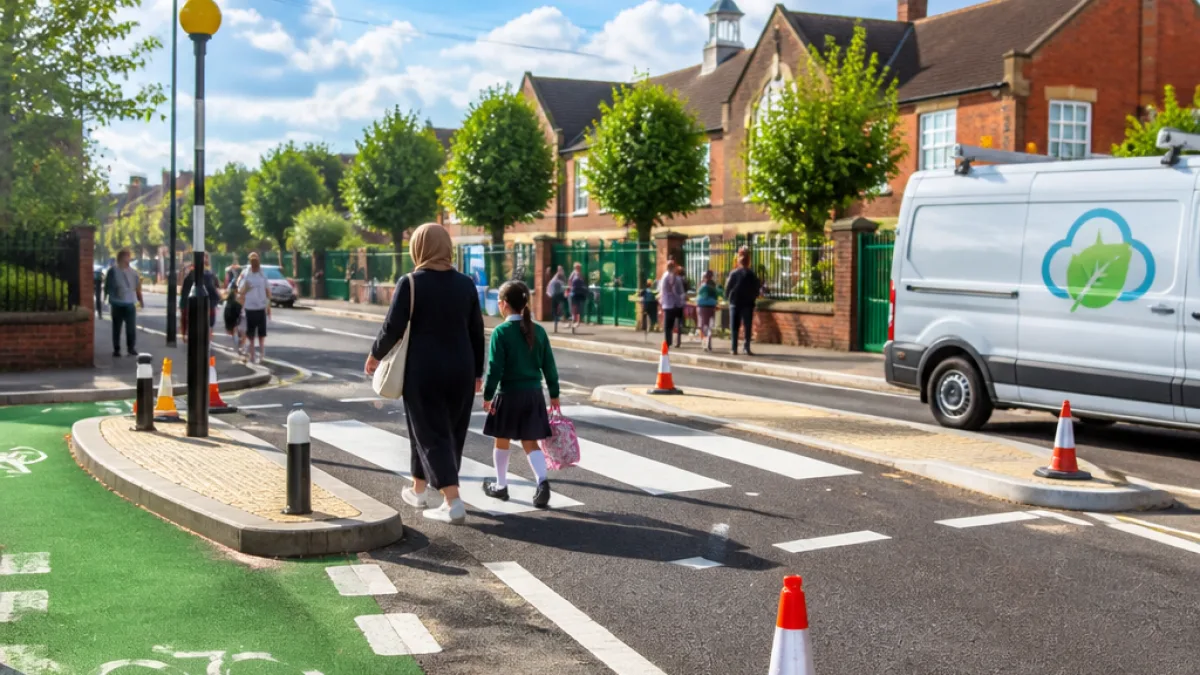
For parents and residents, practical outcomes may include changes such as improved crossings, reduced speed limits, better signage, pavement improvements and measures to discourage parking close to school gates. The council has indicated that schools will receive dedicated support to identify priorities and develop bespoke responses, though specific measures and timetables for each site have not been published in the initial announcement.
Residents and school communities are advised to look out for consultation materials from the council as plans move from design towards implementation. Those who wish to raise concerns or suggest local priorities should contact their school or the city council’s transport team for details on upcoming engagement activities.