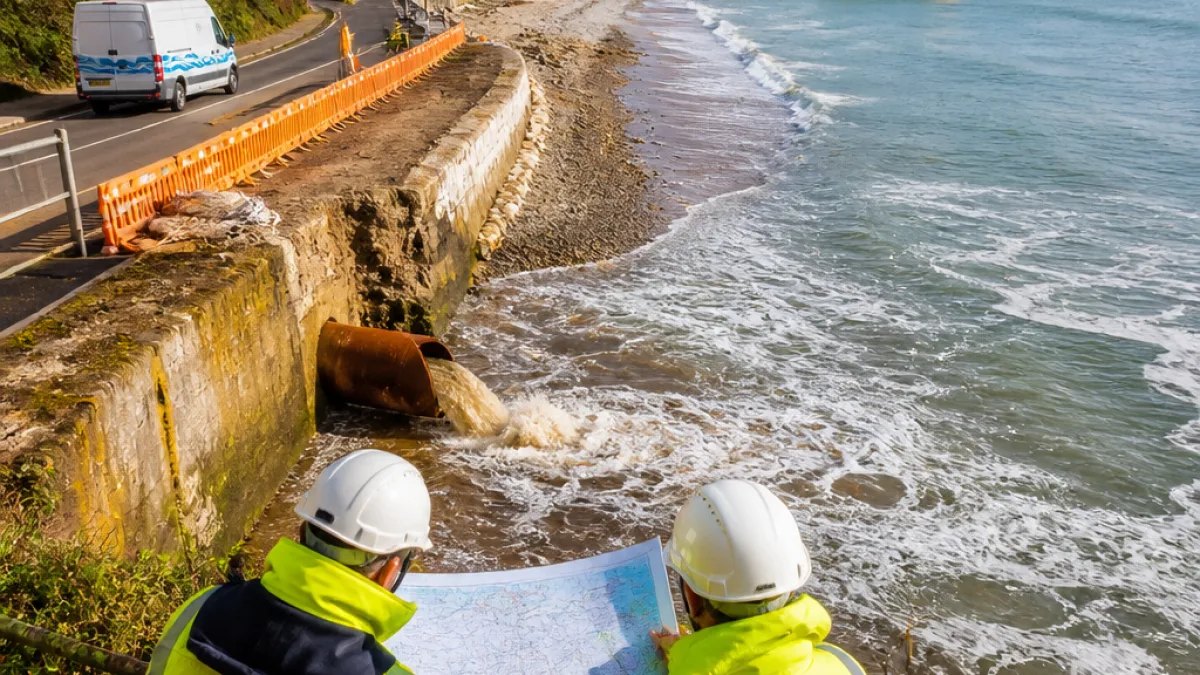
The firm responsible for much of the island's sewers and drains has announced a significant acceleration of work to reduce storm overflows across the Isle of Wight. Southern Water said it will invest around £20 million over the next two years in a programme targeting towns and stretches of coastline where overflows present the greatest risk to rivers, bathing waters and local communities.
Where the money will go
Southern Water identified several locations for the next phase of work: West Wight, Newport, Gurnard, East and West Cowes, and Ryde. These areas will undergo investigations, planning and a mix of short-term fixes and longer-term schemes intended to lower both the frequency and the volume of storm discharges.
- Investment scale: £20 million over two years
- Prior local trials: approximately £9 million already spent on innovation
- Regulatory trigger: accelerated funding agreed by Ofwat
| Location | Focus |
|---|---|
| West Wight | Reducing overflow frequency to protect rivers |
| Newport | Network resilience and surface water separation |
| Gurnard | Protecting coastal bathing waters |
| East & West Cowes | Improving performance of existing sewage infrastructure |
| Ryde | Sustainable drainage and flood-mitigation measures |
What Southern Water says
"The Isle of Wight is home to some of the UK's most treasured rivers, coastlines and bathing waters, and we are determined to play our part in protecting them."
Graham Williamson, the company's Isle of Wight project manager, described the programme as a combination of "targeted investment, innovation and practical action". He said the work will build on local knowledge from earlier trials and include measures such as sustainable drainage systems and separating surface water away from homes, schools and businesses.
How this differs from previous work
Southern Water stresses that this phase has been brought forward because Ofwat approved accelerated funding, allowing investigations and planning to begin sooner than initially scheduled. The company points to roughly £9 million already invested on the island to trial a range of solutions; the new funding is intended to translate those lessons into wider delivery.
For island communities the announcement will be judged on two fronts: how quickly visible improvements arrive, and whether the works are coordinated to minimise disruption. Improvements aimed at separating surface water from foul systems, and introducing sustainable drainage to slow the flow of rainwater, have potential to reduce sewage-related discharges during heavy rainfall — but planning and construction can also affect local roads and access in the short term.
Local authorities, environmental groups and coastal businesses will watch delivery closely. Clean bathing waters and healthier rivers are important for public health, tourism and wildlife, and the accelerated programme raises expectations that measurable reductions in overflows can be delivered within the coming two years.
Southern Water has not yet published a detailed timetable for each site. Residents and councils will expect clear communication about when investigations start, what temporary measures might be needed and how long construction will affect neighbourhoods and the public realm.