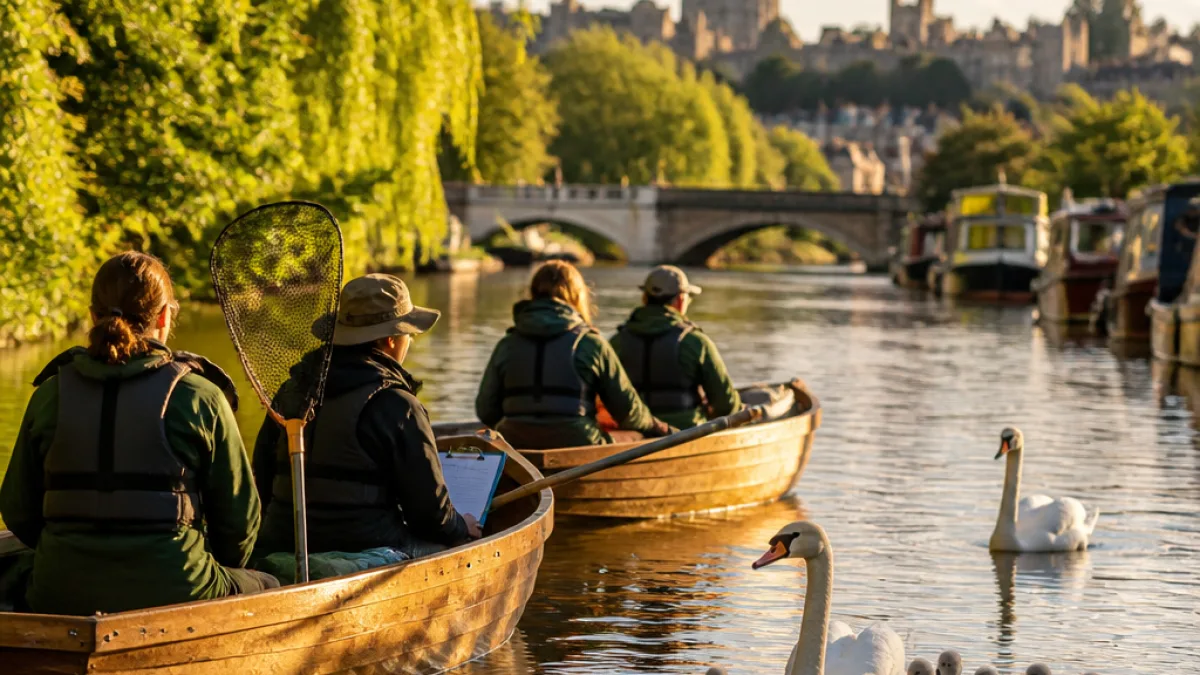
The annual Swan Upping census on the River Thames has revealed an increase in cygnets in the Windsor and Maidenhead stretch of the river, despite heavy losses to an avian influenza outbreak earlier this year. The traditional five-day survey, which dates back to the 12th century, returned to the riverbanks this week with teams recording higher brood totals on the opening days.
Counts on the opening days
The King’s Swan Marker reported a notable tally as crews travelled between locks and bridges. On Monday, a stretch between Sunbury Lock and Romney Lock produced 32 cygnets, which is double the count noted on the opening day last year. The following day, between Eton Bridge and Marlow Lock, another 32 cygnets were recorded — four more than the same section in 2025.
| Day | River section | Cygnets recorded |
|---|---|---|
| Monday | Sunbury Lock – Romney Lock | 32 |
| Tuesday | Eton Bridge – Marlow Lock | 32 |
Context and conservation concerns
Despite the encouraging figures, the river’s mute swan population suffered deeply during the winter when suspected avian influenza hit breeding birds. Local rehabilitation groups described the early-year losses as severe, and officials had feared the breeding season would be badly affected. The recent counts suggest some broods are larger than anticipated, offering a degree of relief to those involved in swan welfare and river management.
The Swan Uppers — who include the royal team in their traditional scarlet uniform alongside representatives from the Vinters’ and Dyers’ Livery Companies — travel in traditional skiffs as they inspect and mark the birds, ensuring the long-term monitoring of the species in open water where the Crown retains rights over unmarked mute swans.
“It’s not too bad. We thought it was going to be quite disastrous because we’ve had a lot of bird flu in the winter, which has really killed off a lot of the breeding pairs, so they’re down,”
The flotilla also used its passage to engage with local school groups, explaining the counts and the wider pressures mute swans face. Key threats remain:
- residual impacts of avian influenza on adult birds and nests
- predation on cygnets from mink and raptors
- disturbance and habitat pressures along busy stretches of the Thames
Crews continued upriver on Wednesday, passing Hurley, Hambleden Lock and Henley Bridge while carrying out further surveys. The results of this year’s full five-day census will be collated and compared with previous years to inform conservationists and local groups involved in swan protection and rehabilitation.
For residents and river users, the census provides both reassurance and a reminder: while early results are promising, ongoing monitoring and local reporting of sick or injured birds remain important to support recovery of the Thames’ swan population.