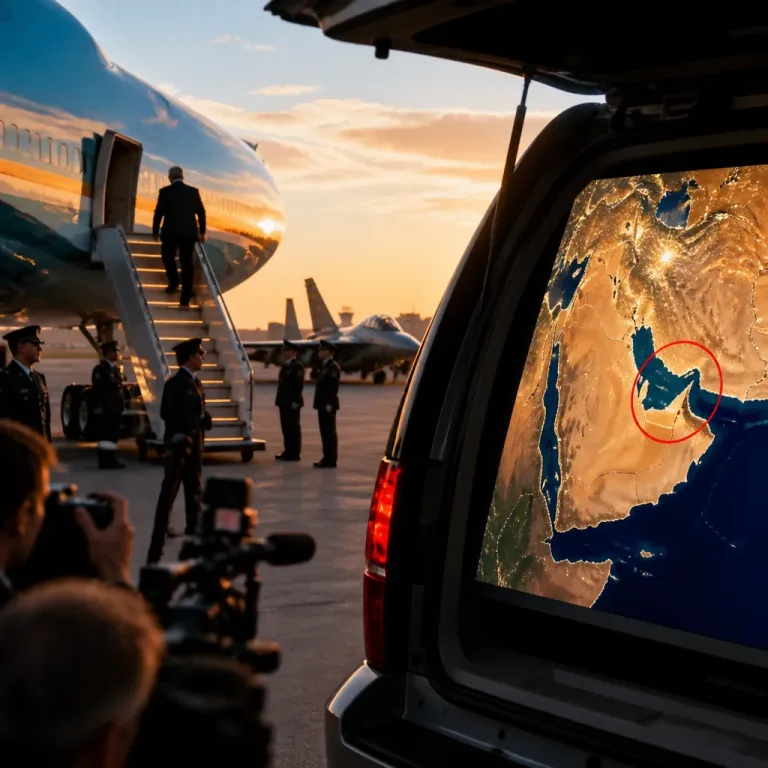

Diplomatic efforts to revive a ceasefire have been overshadowed after a tenth consecutive day of attacks between the United States and Iran across the Middle East, with serious consequences for shipping through the Strait of Hormuz and global energy markets.
Negotiations struggle to regain traction
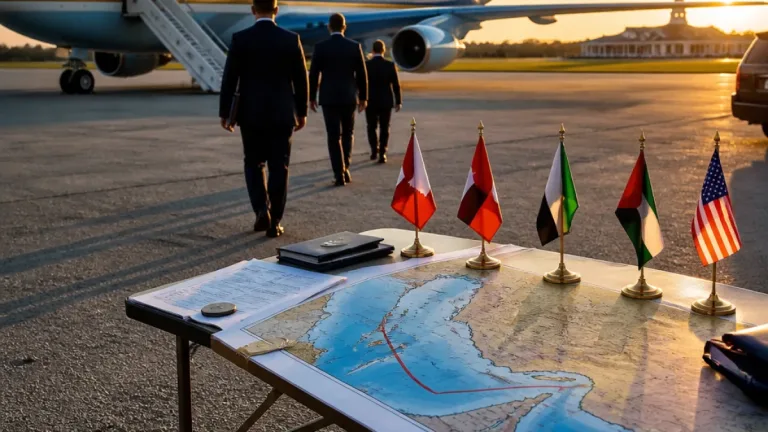
Iranian interior minister Eskandar Momeni travelled to Pakistan — a country described in reporting as a key mediator — to try to breathe life into stalled talks. It remained unclear what, if any, new arrangement could be agreed to halt the fighting.
“No interest in meeting,”
Those were the reported words of US President Donald Trump as Washington signalled it could strike areas close to major Iranian nuclear sites. The comment underlines how fraught diplomacy has become even as mediators attempt to limit further escalation.
Shipping and energy under strain
The Strait of Hormuz — a narrow passageway that before the conflict carried roughly one fifth of the world’s crude oil and natural gas — has been a key battleground. Despite a barrage of American strikes, Iran’s influence over the strait appears intact. Naval and missile strikes have affected commercial vessels, and at least one tanker was reportedly struck in the waterway, prompting its crew to abandon ship.
- Day of conflict: tenth straight day of exchanges
- Key states involved: United States and Iran, with Iran-backed groups opening new fronts
- Immediate effects: disruption to shipping, higher energy prices, and alerts in regional states
In the Red Sea, Iran-aligned Houthi forces announced a naval blockade targeting Saudi Arabia, forcing some ships to reroute and adding a new pressure point on maritime trade. Reports indicate several vessels altered course after warnings from the rebel group, though independent confirmation has been limited.
| Issue | Report |
|---|---|
| Shipping through Hormuz | Substantially disrupted; tanker attacked and crews abandoned ship |
| Energy flow | Pressure on supplies; prices pushed higher |
| Regional alerts | Sirens sounded in Bahrain and Kuwait over incoming projectiles |
Broader consequences
Beyond the immediate military clashes, the conflict has strained allied networks and raised questions about the security of global commerce. With routes through Hormuz restricted, some oil producers are relying on pipelines to alternative ports to keep exports flowing. The situation has also intensified political scrutiny in the United States ahead of domestic elections, where the public reaction to higher fuel costs and further casualties could influence voter sentiment.
For residents here in Stirling and across Scotland, the most direct impacts are likely to be economic: higher wholesale energy prices can feed through into fuel and household bills. The geopolitical uncertainty will also be watched closely by businesses that rely on stable energy markets and shipping lanes.
At present, attempts at mediation continue but the path to a negotiated pause in the fighting remains uncertain.