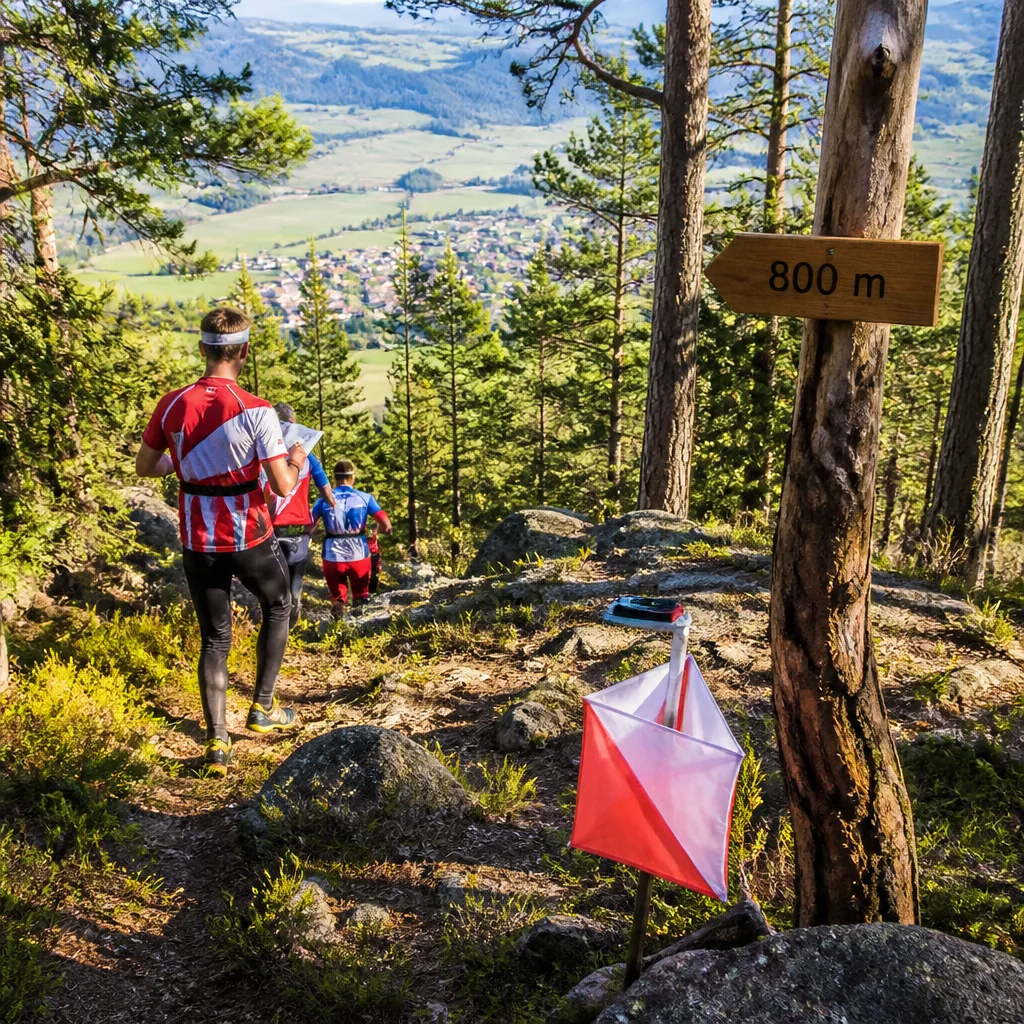
The 2026 Orienteering World Cup resumes this week in the sub‑mountainous forests west of Vyšší Brod in Czechia, marking a return to traditional forest terrain after a season start dominated by sprint events in urban areas.
What’s happening this week
The third round opens on Wednesday with qualification races. The fastest 20 runners in each heat will advance to the A‑finals for the Long distance final on Thursday and the Middle distance final on Saturday. The meeting concludes on Sunday with the relays.
Course and conditions
Organisers describe the area as a sub‑mountainous forest at roughly 700–1,000 metres above sea level, featuring numerous rocky knolls and stony ground with detailed rock features. The terrain offers a mix of well‑developed vehicle tracks and a relatively sparse network of paths; visibility and runnability will vary from very good to difficult where undergrowth, thickets or dense green vegetation slow competitors.
Competitors and standings
Just under 300 athletes representing 32 nations will take part. The early season, composed entirely of sprint races in Switzerland and Sweden, has produced clear leaders heading into the Czech round.
- Men’s overall leader: Tuomas Heikkilä (FIN)
- Men’s early challengers: Kasper Fosser and Eirik Langedal Breivik (both NOR)
- Women’s leader: Simona Aebersold (SUI)
- Women’s nearest rivals: Hedvig Gydesen (DEN) and Pia Young Vik (NOR)
| Category | Top 3 (season standings) |
|---|---|
| Men | Tuomas Heikkilä (FIN); Kasper Fosser (NOR); Eirik L. Breivik (NOR) |
| Women | Simona Aebersold (SUI); Hedvig Gydesen (DEN); Pia Young Vik (NOR) |
Broadcast and following the races
All four race days are available through IOF TV and IOF LIVE. Wednesday’s qualification will be streamed for free on IOF TV, while the three final days will carry English and German commentary on IOF TV. Coverage of the finals will also appear on Eurovision Sport.
For British audiences who follow endurance and navigation sports, the Czech round offers a shift in challenge: after lightning‑fast urban sprints, athletes must adapt to slower, technically complex forest navigation where physical fatigue and map reading are tested in tandem. The results here will be decisive for athletes and teams aiming to consolidate or overturn the early sprint‑led order as the season moves towards its fourth and final round.