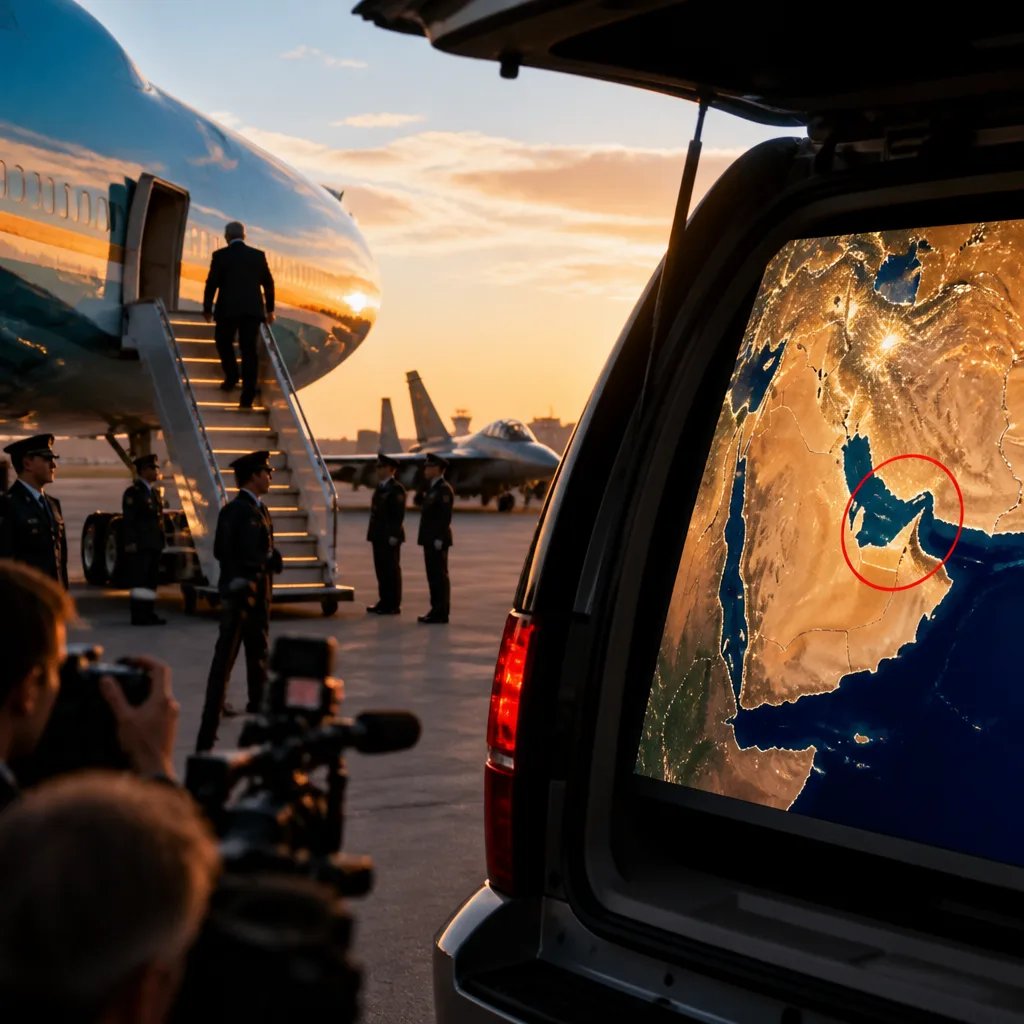
President Donald Trump told reporters aboard Air Force One that he abandoned a planned operation against Iran that he characterised as a “massive” strike and, in his words, the largest of its kind since the Second World War. He said he held back after appeals from several Middle Eastern states and, he added, Iran.
Claims, denials and posture
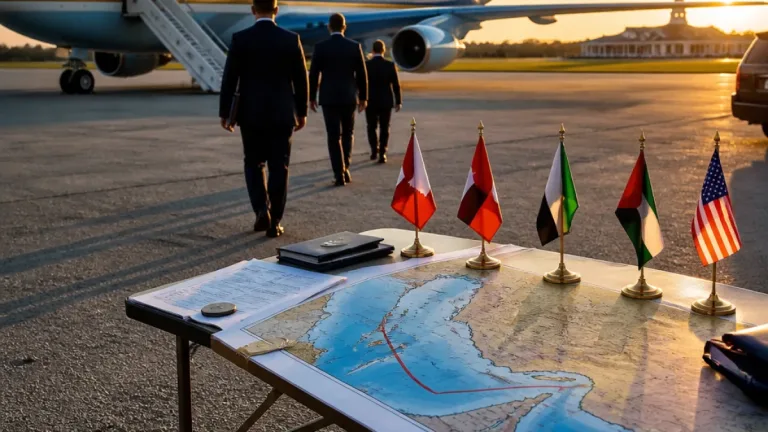
Mr Trump said Saudi Arabia, the United Arab Emirates and Qatar asked him to call the attack off, and that those interventions persuaded him to pause. He said any deal arising from talks would include measures to reopen the Strait of Hormuz and address Iran’s nuclear programme. Defence Secretary Pete Hegseth wrote on X that the Pentagon "was ready to go — and remains ready — at levels not seen since World War 2," signalling that US forces remained primed.
“It was going to be a massive attack … by far, the biggest attack since World War II,”
Iranian state and semi-official outlets denied the claim that Tehran sought the strikes to be called off. A semi-official agency was reported to have called Mr Trump “the fool” who had lost momentum. Iran’s acting defence minister accused the US of conducting “psychological and cognitive warfare,” according to state media posts.
Regional diplomacy and energy risks
Reporting by Axios indicated that Saudi Crown Prince Mohammed bin Salman phoned the US president to urge de-escalation, concerned that strikes — potentially targeting energy infrastructure — could destabilise the region. The Strait of Hormuz, through which a large proportion of global seaborne oil passes, has repeatedly been a flashpoint; any military action affecting the waterway would carry direct economic and strategic consequences.
Why this matters to British readers
The episode illuminates how Gulf diplomacy can shape US military decisions and underscores the fragility of a security environment that affects global energy supplies and allied interests. For the UK, with close defence and intelligence ties to both the US and Gulf partners, the incident highlights the continuing risk that regional disputes could spill over with broad commercial and security effects.
- Actors involved: US administration, Saudi Arabia, UAE, Qatar, Iran.
- Key issues: potential strike, Strait of Hormuz, Iran’s nuclear programme.
- Posture: US forces described as ready; Iran denies requesting a halt.
| Actor | Reported position or action |
|---|---|
| United States (President Trump) | Called off planned strike after appeals; said strike would have been "massive" |
| Saudi Arabia, UAE, Qatar | Reportedly asked Mr Trump to de‑escalate; Saudi Crown Prince phoned the president |
| Iran | State media denied requesting a halt; acting defence minister accused US of psychological warfare |
| Pentagon (Pete Hegseth) | Stated forces were ready at levels "not seen since World War 2" |
The differing accounts — Washington’s description of Gulf intervention persuading restraint versus Tehran’s denial — leave significant questions about what negotiations, if any, are under way and whether the pause will hold. The claims also reflect a pattern of high-stakes rhetoric and brinkmanship that has repeatedly raised the prospect of disruption to energy markets and broader regional stability.
As events unfold, the key indicators to watch will be any formal diplomatic communications between the parties, statements from Gulf governments, and concrete steps concerning maritime security in the Strait of Hormuz and Iran’s nuclear activities. For Britain, the priority will be assessing the risk to UK nationals, shipping and allied operations in the region and whether further diplomatic engagement is required.