Parts of southern England moved under amber heat health alerts on Wednesday as the UK prepared for a fourth spell of intense heat this summer, with temperatures forecast to reach about 34°C in places.
Heat warnings and who is at risk
The UK Health Security Agency (UKHSA) issued warnings that rising temperatures this week could heighten health risks, especially for older people and those with underlying conditions. Amber and yellow alerts came into force from 09:00 on Wednesday, covering large swathes of England.
- Amber alerts: east Midlands, east of England, London and the south-east.
- Yellow alerts: Yorkshire and The Humber, the west Midlands and the south-west.
| Alert | Regions |
|---|---|
| Amber | East Midlands; East of England; London; South East |
| Yellow | Yorkshire & The Humber; West Midlands; South West |
Wildfire threat rises
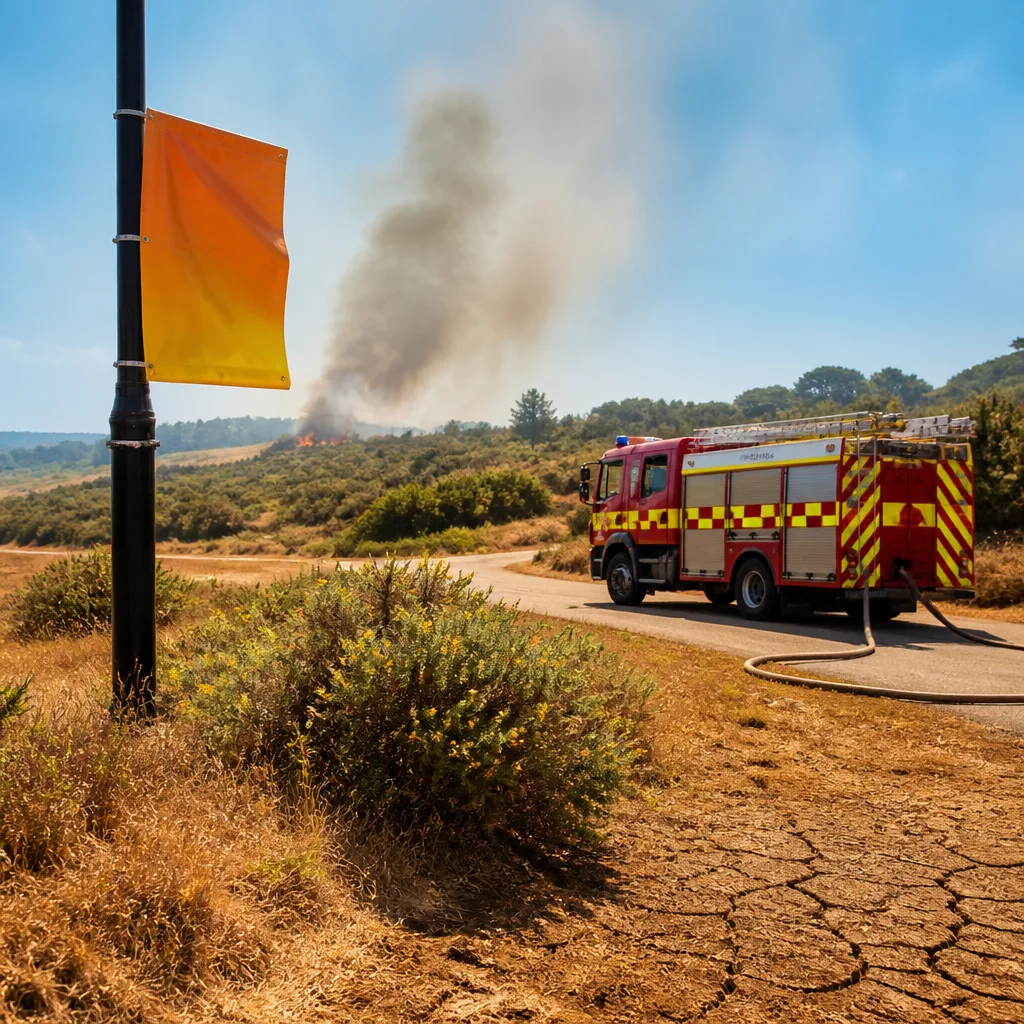
Fire and rescue services cautioned that the exceptionally hot, dry conditions increased the danger of wildfires across vulnerable landscapes. The National Fire Chiefs Council (NFCC) reported that so far in 2026 there had been 706 wildfires responded to in England and Wales, including 208 incidents recorded between 16 and 28 July alone — a run of activity that underlines the pressure on emergency services.
“exceptionally severe”
The combination of high temperatures and parched ground has already prompted parts of Wales to declare drought and left other English areas in a period of prolonged dry weather, the stage just before a formal drought declaration.
International context and local impacts
Across Europe, Spain and France have been battling major blazes during recent heat extremes, and emergency planners in the UK warned that similar conditions at home could cause rapid spread where vegetation and tinder-dry soils are present. The prospect of sustained heat also raises ripple effects for health and social care services, as authorities prepare for more visits and admissions related to heat exposure.
Officials emphasised that while much of the south and south-east faced the most intense heat, northern parts of the UK would remain cooler and cloudier this week. Forecasters have cautioned, however, that the peak may be short-lived, with conditions likely to moderate afterwards.
Public advice focused on simple, practical measures: keep hydrated, avoid strenuous activity in the hottest hours, check on elderly or vulnerable neighbours, and follow local fire service guidance — particularly when outdoors in rural areas.
The amber and yellow alerts represent both an immediate public-health signal and a flag for emergency services and land managers to remain on heightened alert while temperatures and dryness persist.