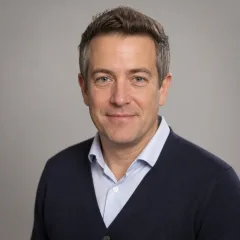
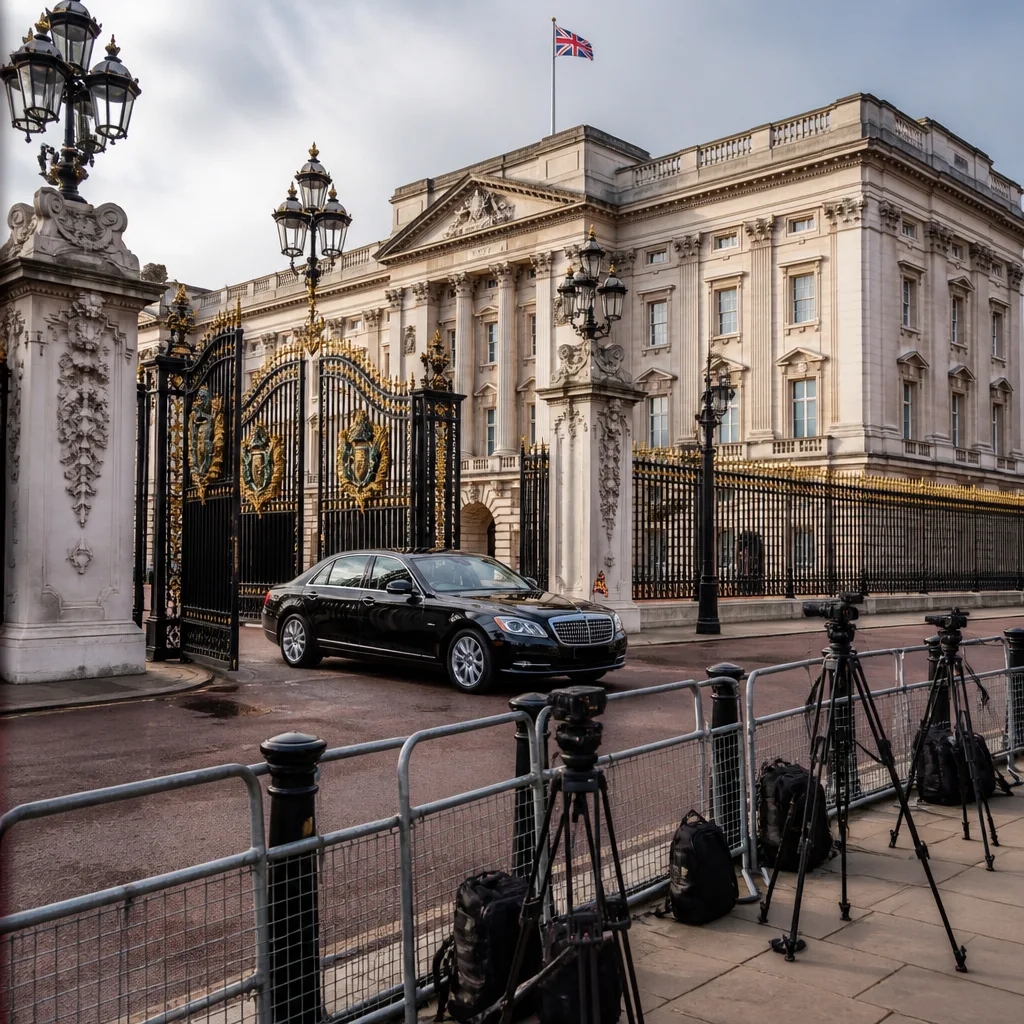
On a short drive from Downing Street to Buckingham Palace, the United Kingdom’s carefully choreographed handover of power will move into its decisive moment: Andy Burnham will be invited by King Charles III to form a government, and by the end of the morning he will step through the black door of No 10 as the country’s new prime minister.
After weeks as prime minister-in-waiting and days after taking over the leadership of the governing Labour Party, Burnham will replace Keir Starmer. He is set to become the nation’s seventh prime minister since 2016, a rapid turnover that has left voters and Westminster alike seeking steadier ground.
He is “acutely aware” of how many changes of leader the country has been through in the past decade, and will pledge to restore stability.
From party handover to the Palace
Burnham secured the party leadership on Friday as the sole contender, backed by 379 of Labour’s 403 MPs in the Commons. That internal transition set up today’s constitutional steps, familiar yet weighty. Britain’s system allows the governing party to change leaders — and therefore the head of government — without calling a general election.
- Keir Starmer will first travel the short distance from No 10 to the Palace to formally tender his resignation.
- Soon after, Andy Burnham will have an audience with the King, who will ask him to form a government.
- The appointment is known as kissing hands — a ceremony in name only.
He will officially become prime minister in a ceremony known as “kissing hands.” No hand-kissing is involved.
Following the audience, the new prime minister is expected to return to Downing Street to deliver brief remarks outside No 10 — a moment used by predecessors to set tone and priorities.
What changes — and what doesn’t
The monarch’s role today is constitutional and ceremonial. The authority to govern flows from commanding a majority in the House of Commons, which Burnham now does as Labour leader. The next nationwide vote does not have to be held until 2029, though the new prime minister retains the option to seek an earlier mandate.
Burnham has promised to cool the temperature of national debate and focus on living standards — priorities he flagged as Mayor of Greater Manchester and brings with him to No 10. He also inherits a public weary of political whiplash. Starmer, who offered similar assurances when he entered office two years ago, announced last month that he would step down after a series of missteps that damaged his support within the party and among voters.
The facts at a glance
| Position | Detail |
|---|---|
| Incoming PM | Andy Burnham |
| Becomes PM | After audience with King Charles III |
| PMs since 2016 | 7 (including Burnham) |
| Labour nominations | 379 of 403 MPs |
| Next general election deadline | 2029 (can be called earlier) |
Why today matters
Britain’s revolving door at No 10 has had practical consequences: shifting policy timetables, unsettled markets, and a civil service tasked with reorienting repeatedly. Burnham’s first challenge is not legislative but psychological — to convince the country that the carousel is slowing. The symbolism of today’s orderly transfer is part of that, as is the message he plans to deliver on stability.
Continuity in process contrasts with change in personnel. Although the King’s invitation is a formality, it underscores a constitutional logic that has endured across centuries: the Crown appoints, Parliament sustains, and the electorate ultimately decides. With parliamentary authority in hand, Burnham can get on with the business of forming his team and setting priorities without the immediate pressure of the ballot box.
What follows is the familiar choreography of a new administration: arrivals at the Cabinet table, red boxes distributed, and an early statement on direction. But the wider test is whether a government led by a former city-region mayor can make national politics, in his words, “less toxic” — and whether that promise translates into tangible improvements in the day-to-day lives of people across the UK.