Transport for London (TfL) has been urged to set out a clear, public plan to tackle rising noise levels on the London Underground after Labour London Assembly members warned that residents are again experiencing disruptive, high-pitched screeching from trains.
Noise reported at levels equivalent to a helicopter
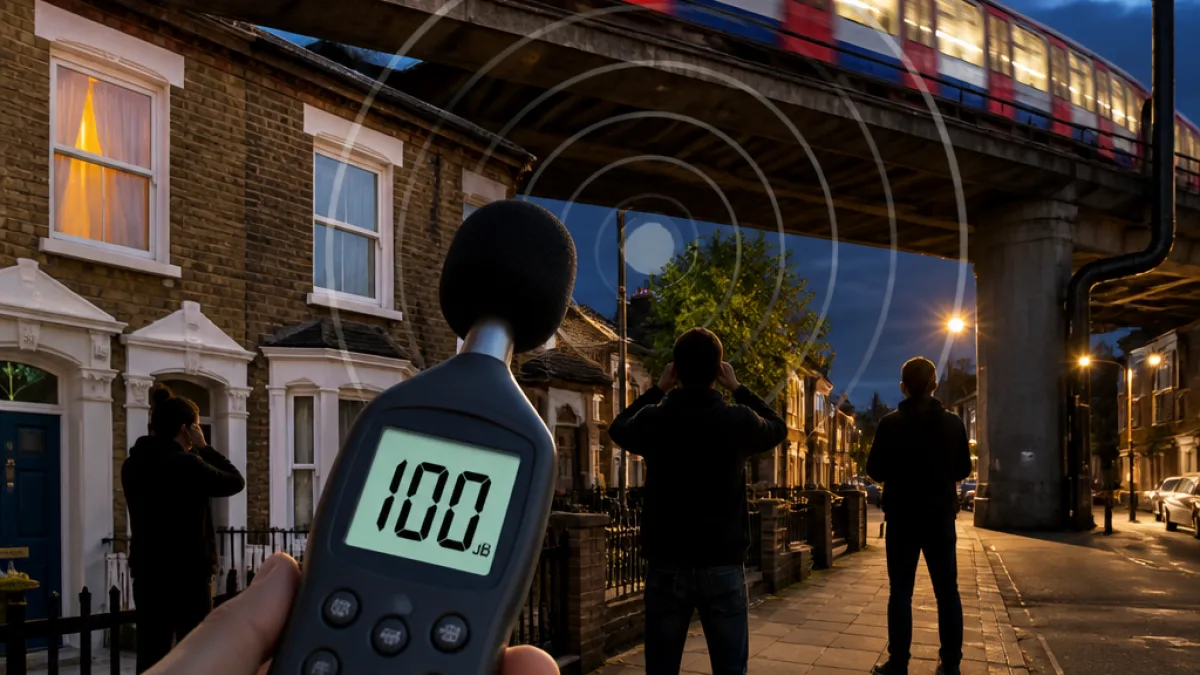
Assembly scrutiny has focused on the Northern, Victoria and Central lines, where people living close to the network say noise has worsened since TfL moved away from a targeted track-grinding programme. Campaigners and elected members point to measurements of more than 100 decibels in sections of the network — a level comparable to a nearby helicopter taking off — as evidence of the scale of the issue.
Between 2020 and 2022 TfL carried out a targeted track-grinding programme intended to reduce noise. The transport body later replaced that with what it describes as a “data-led” approach. Labour’s transport spokesperson on the London Assembly, Elly Baker, has asked for transparency over how the new strategy is being applied and whether it is delivering results.
“Residents are increasingly frustrated — not only because noise levels remain unaddressed, but because the information provided by TfL is becoming less, not more, detailed and less responsive to their lived experience.”
In a letter to TfL commissioner Andy Lord, seen by the Local Democracy Reporting Service, Ms Baker said the frequency and depth of grinding interventions had “declined sharply” since the change in policy. She also noted the chief operating officer’s six-monthly report which credited train coasting with reducing noise in some sections, but criticised the absence of published data to demonstrate the scale of any benefit or the timetable for wider roll-out.
Calls for consistent, specific data
Ms Baker has demanded “consistent, specific data on all works carried out for the purpose of reducing tube noise.” Her intervention reflects mounting local frustration, with residents reporting a clear rise in noise levels where they live.
- Lines most affected: Northern, Victoria, Central
- Peak reported noise: over 100 dB
- Previous mitigation: targeted track-grinding (2020–22)
- Current tactics cited: data-led approach and train coasting
The dispute centres not only on technical measures but on public confidence. Local residents and Assembly members want to see transparent monitoring, clear evidence of effectiveness, and a timetable for measures to be applied where they will deliver the greatest relief.
| Measure | Period / Status |
|---|---|
| Targeted track-grinding | 2020–2022 (replaced) |
| Data-led approach | Current strategy (details requested) |
| Train coasting | Reported in COO six-monthly report as reducing noise in some sections |
TfL has been approached for comment on the concerns raised and for the specific data Ms Baker requested. The issue remains significant for Waltham Forest residents who depend on affected lines for work and daily travel, and for whom sustained nocturnal or daytime noise can have tangible impacts on wellbeing.
Assembly pressure is likely to continue until TfL provides the transparency and evidence many local people want to see: precise noise monitoring, clear links between interventions and outcomes, and a published timetable for delivering improvements where they are most needed.