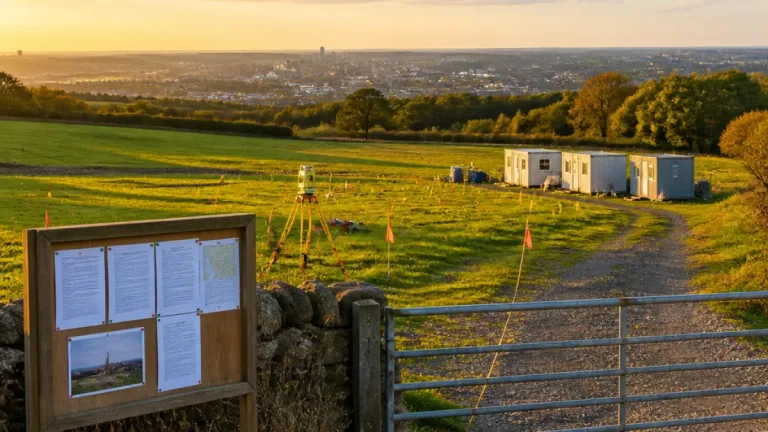
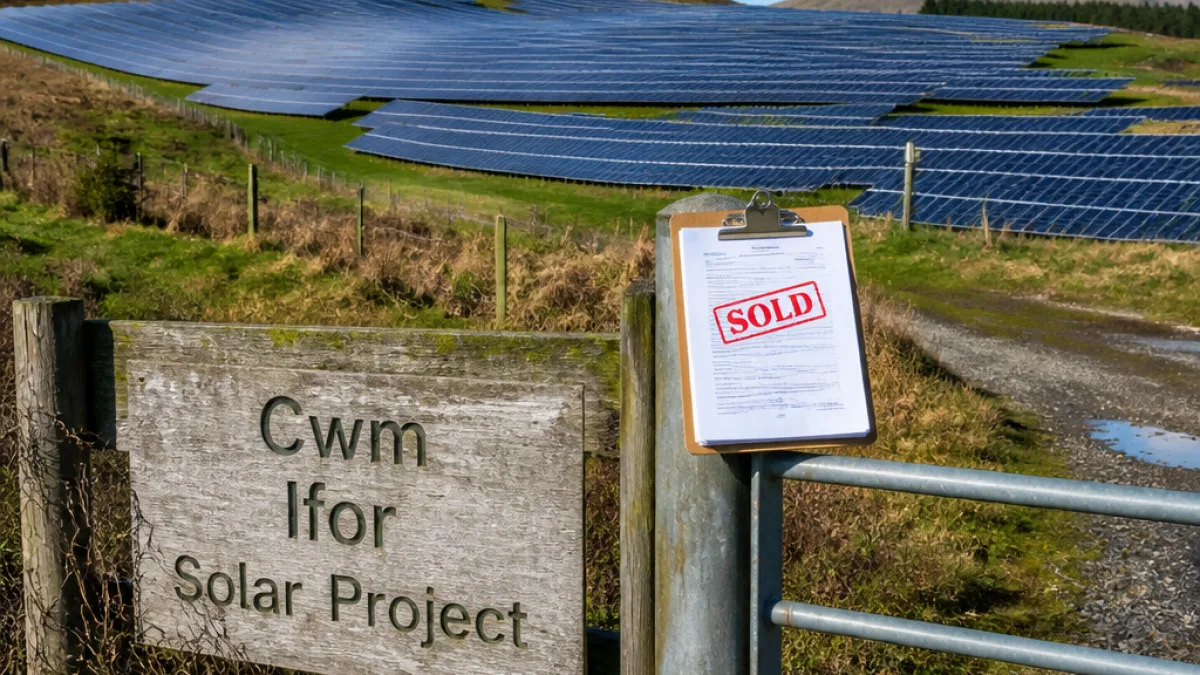
Caerphilly Council has disclosed it made a £1.1 million profit from the sale of the Cwm Ifor solar farm project above Penyrheol, after receiving almost £2.7 million from the purchaser.
Project details and timeline
The development is a 20-megawatt scheme which the council says will be connected to the electricity grid in December and could generate enough power for about 6,000 homes. The authority marketed the rights to the project in 2025 after planning permission was granted and later sold the scheme to a company called Fuse Energy.
Council view: environmental and financial benefits
Cabinet members have presented the transaction as a dual success for the environment and local services. The council said the sale will allow the council to work with the buyer to bring the scheme into operation and that the proceeds will be reinvested in delivering “key services” for local communities.
“The Cwm Ifor Solar Farm could power around 6,000 homes with clean electricity, while supporting a more flexible and resilient energy system,”
The cabinet member for climate change, speaking on social media, argued local authorities should concentrate on core public services rather than operating commercial energy businesses, and said the project had been developed with the option of sale in mind.
Opposition concerns and questions over timing
Some opposition councillors have questioned whether disposing of the project at an early stage was the most prudent financial move. They suggested retaining ownership could have offered longer-term returns and greater local control over the asset.
- Sale price received by council: nearly £2.7m
- Profit realised: £1.1m
- Capacity: 20MW
- Estimated homes powered: 6,000
- Buyer: Fuse Energy
Local impact and practical implications
For residents, the immediate impacts are twofold: a projected increase in local renewable energy generation and a short-term boost to council finances that the authority says will support public services such as education and social care. Questions from critics centre on whether the council has foregone potential future revenue streams and operational influence by selling at an early stage of the project.
| Item | Figure |
|---|---|
| Sale proceeds | ~£2.7m |
| Profit | £1.1m |
| Capacity | 20MW |
| Homes powered (estimate) | 6,000 |
The sale adds to a broader debate about the proper role of councils in commercial ventures — whether to monetise assets early to fund immediate service needs, or to retain and operate projects for longer-term income and strategic control.
As the Cwm Ifor scheme approaches grid connection later in the year, the practical test will be whether it delivers the generation and grid flexibility the council and purchaser anticipate, and how the proceeds are allocated within council budgets.