Famous faces train the lens on the Borders
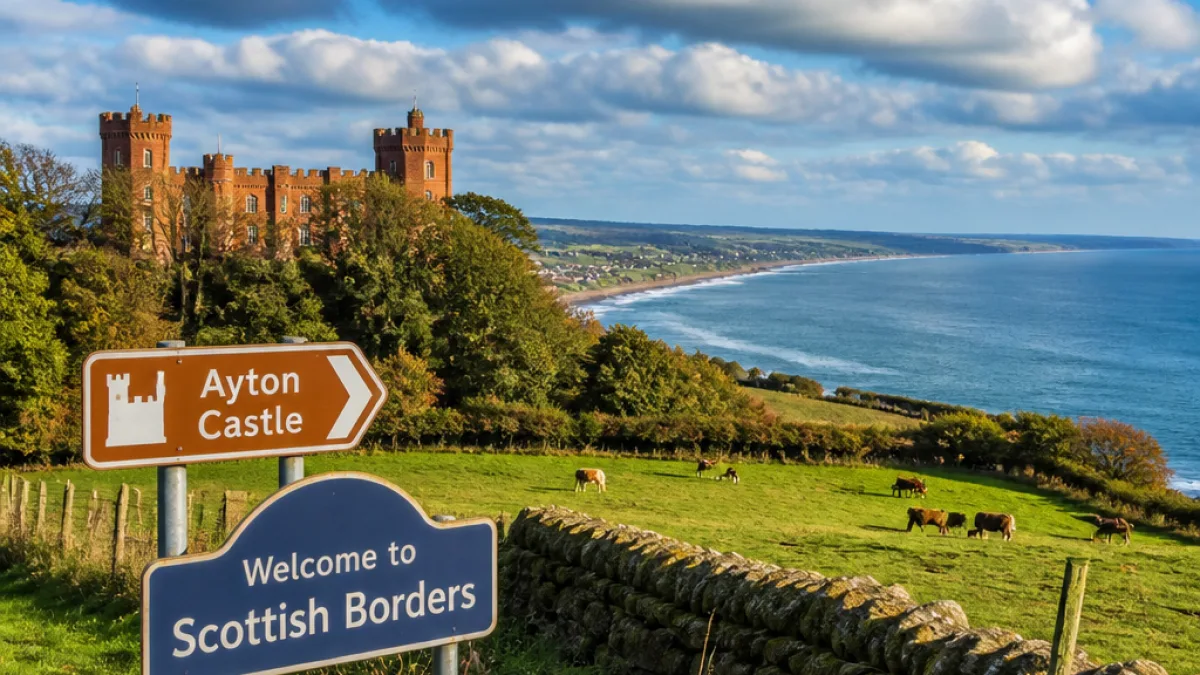
The Scottish Borders has found itself centre stage after two well-known entertainers drew national attention to the area’s landscapes and landmarks. Television presenter Jeremy Clarkson hailed the region’s scenery during a recent visit, while comedian Alan Carr’s acquisition of Ayton Castle near Eyemouth earlier this year has kept the coastline in the headlines. The sudden spike in celebrity interest has delighted many residents, while prompting a thoughtful conversation about what outside attention means for a rural corner that values its quiet rhythms as much as its celebrated views.
Clarkson, who has made a second career exploring agriculture on screen, ventured north this month and offered a characteristically brisk verdict on the countryside he encountered. In a message shared on social media, he wrote:
“God almighty, they’re beautiful.”
He followed with a tongue-in-cheek aside:
“Also, I bought some cows.”
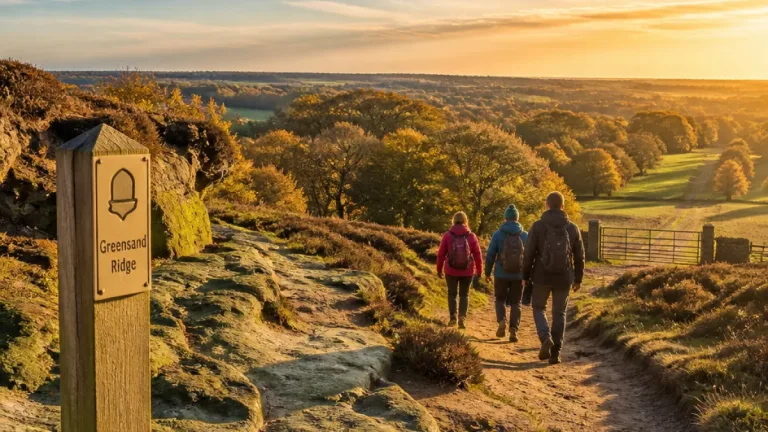
His remarks put a national spotlight on the Borders’ rolling hills, moorland and patchwork pasture — places that many here take to heart, not least around the Eildon Hills, a popular vantage looking across Tweeddale and beyond. For local farmers and walkers alike, that recognition carries a familiar pride and a practical question: how to welcome more people without losing the very qualities that attracted them.
Belted Galloways and the character of farming
Among the breeds synonymous with the region are the striking Belted Galloways, their dark coats bisected by a broad white band. These hardy cattle are a staple of Borders pastures and a common sight for anyone tramping the hill paths or driving unfenced upland roads. While their distinctive appearance has helped make them rural pin-ups, those who work with them daily know their heft and strength command respect. The juxtaposition — photogenic yet powerful — speaks to the day-to-day realities of stock-rearing here, where experience and caution go hand in hand.
Clarkson’s quip about buying cows may play for laughs, but it resonates in a district where agriculture remains interwoven with local identity. For holdings large and small, livestock isn’t lifestyle veneer; it is work, weather and welfare, all governed by the turn of seasons. Any renewed visitor interest in farm life, prompted by television or tweets, can help deepen public understanding of that commitment, provided it is matched with a respect for animals, biosecurity and the access codes that keep farmers and walkers on good terms.
Ayton Castle and the pull of the coast
The Borders’ coastline has also drawn headlines with Alan Carr purchasing Ayton Castle, a baronial red sandstone landmark near Eyemouth. That decision, widely welcomed locally, underscores the magnetism of the area’s architectural heritage and its sea-edge communities. From historic estates to working harbours, the coast binds the region’s maritime past to a contemporary visitor economy that depends on careful stewardship of distinctive buildings and landscapes. Carr’s arrival may add fresh momentum to that mix, encouraging attention to the conservation and use of such sites, as well as the businesses that serve those who come to see them.
Where celebrity leads, footfall often follows. That can translate into fuller guesthouses, busier cafes and sustained interest in heritage attractions. It can also raise familiar questions around housing affordability, seasonal strain on infrastructure and the balance between tranquillity and traffic. For a region that has long marketed its space and serenity, the right kind of growth — measured, considerate and locally anchored — remains the goal.
Opportunities and cautions for a rural region
- Tourism uplift: Positive national exposure can boost bookings and support jobs in hospitality, guiding and retail.
- Cultural profile: High-profile residents and visitors can amplify interest in Borders heritage, from castles to hill forts and abbeys.
- Rural realities: Increased footfall demands adherence to countryside codes, considerate parking, and care around livestock and crops.
Local voices often emphasise the shared responsibility that comes with discovery. For those stepping onto moorland paths beneath the Eildons or pausing at field gates to admire a herd of Belties, the basics matter: dogs on leads near stock, litter taken home, paths respected and vehicles parked with passing places in mind. These small habits safeguard livelihoods and keep access welcome.
Who’s who in the latest spotlight
| Figure | Connection | Location |
|---|---|---|
| Jeremy Clarkson | Praised Borders scenery; joked about buying cows | Visited the Scottish Borders |
| Alan Carr | Purchased Ayton Castle | Near Eyemouth |
None of this is to say the Borders has gone unnoticed until now. Generations have valued its abbeys, ridges and river valleys, and the steady work of farming and fishing that shaped them. But celebrity attention acts like a flare, sending up a bright signal that can accelerate trends for good or ill. As the Borders basks in a warm moment of recognition, the task is to convert that light into lasting benefit — supporting small businesses, protecting landscapes and ensuring communities remain liveable for those who call this place home.