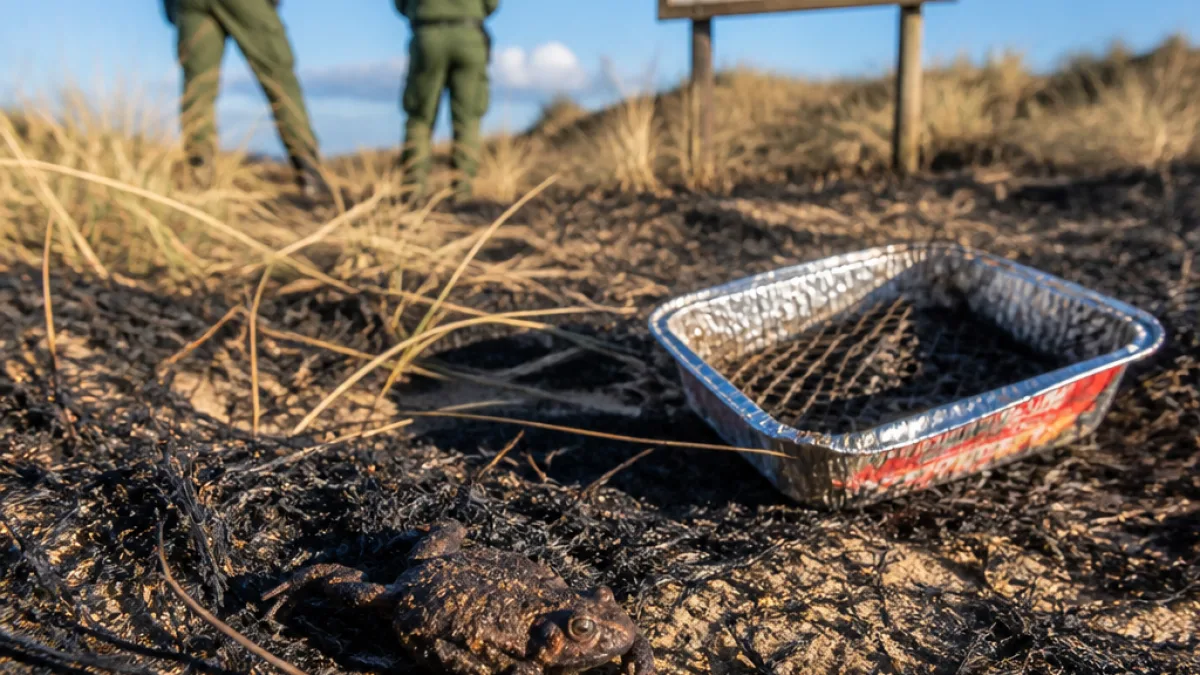
Rangers have recorded the charred remains of a natterjack toad after fires swept parts of Sefton last week, prompting council officers to renew appeals for residents and visitors to keep the borough “flame‑free” while conditions remain dry.
Rare species and habitats affected
Green Sefton staff said a blaze tore through grass at Bootle’s North Park, and the Merseyside Fire and Rescue Service later dealt with a fire on Hightown dunes that burned for more than two hours. Both incidents were extinguished before they could spread further, but rangers found multiple fire‑related deaths of wildlife and damage to fragile plant communities.
“flame‑free”
Natterjack toads, which are smaller than common toads and distinguished by a yellow dorsal line, are extremely rare in Britain and occupy only a handful of sites in England and Scotland. Locally they are known as “Bootle organs” for the distinctive croaking that can travel long distances across the dunes in the breeding season.
Conservation work threatened
Green Sefton has been actively managing the dunes to support these populations: creating shallow breeding pools where strings of eggs are laid each spring — sometimes numbering up to 7,500 eggs — and clearing vegetation to favour sand lizards and ground‑nesting birds such as skylarks.
- Fire damaged areas: Bootle’s North Park and Hightown dunes.
- Species recorded killed or harmed: natterjack toads, sand lizards, skylarks and several rare plants.
- Council advice: Do not bring barbecues to beaches or green spaces; avoid starting fires.
Rangers have also removed invasive sea buckthorn from south‑facing dunes to prevent dense thickets that smother native flora and fauna. Those habitat‑management gains are vulnerable: even a single spark or unattended barbecue can ignite dry vegetation and undermine years of conservation work.
Practical advice for residents and visitors
The council’s message is straightforward and aimed at preventing further incidents that place people and wildlife at risk:
| Action | Why it matters |
|---|---|
| Avoid barbecues on beaches and dunes | Hot coals and flames can ignite dry sand and grass, damaging habitat and burning feet |
| Report fires immediately | Quick fire service response limits spread and wildlife casualties |
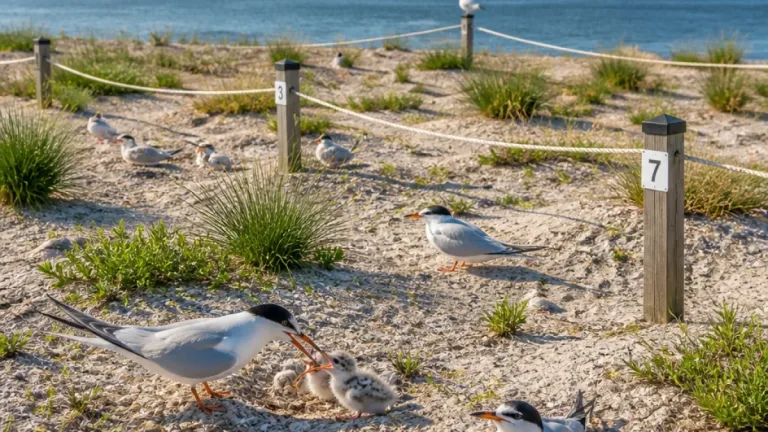
| Respect signs and fenced restoration areas | Helps protect breeding pools and managed habitat for rare species |
Green Sefton’s warning underscores the wider public‑safety risk posed by the current dry weather. Beyond the immediate ecological loss, fires on dunes and parks can present hidden dangers to people: burns from super‑heated sand and rapidly changing flames in coastal winds.
The council continues to monitor affected sites, while rangers and firefighters remain on alert to prevent further damage to Sefton’s scarce coastal habitats.