
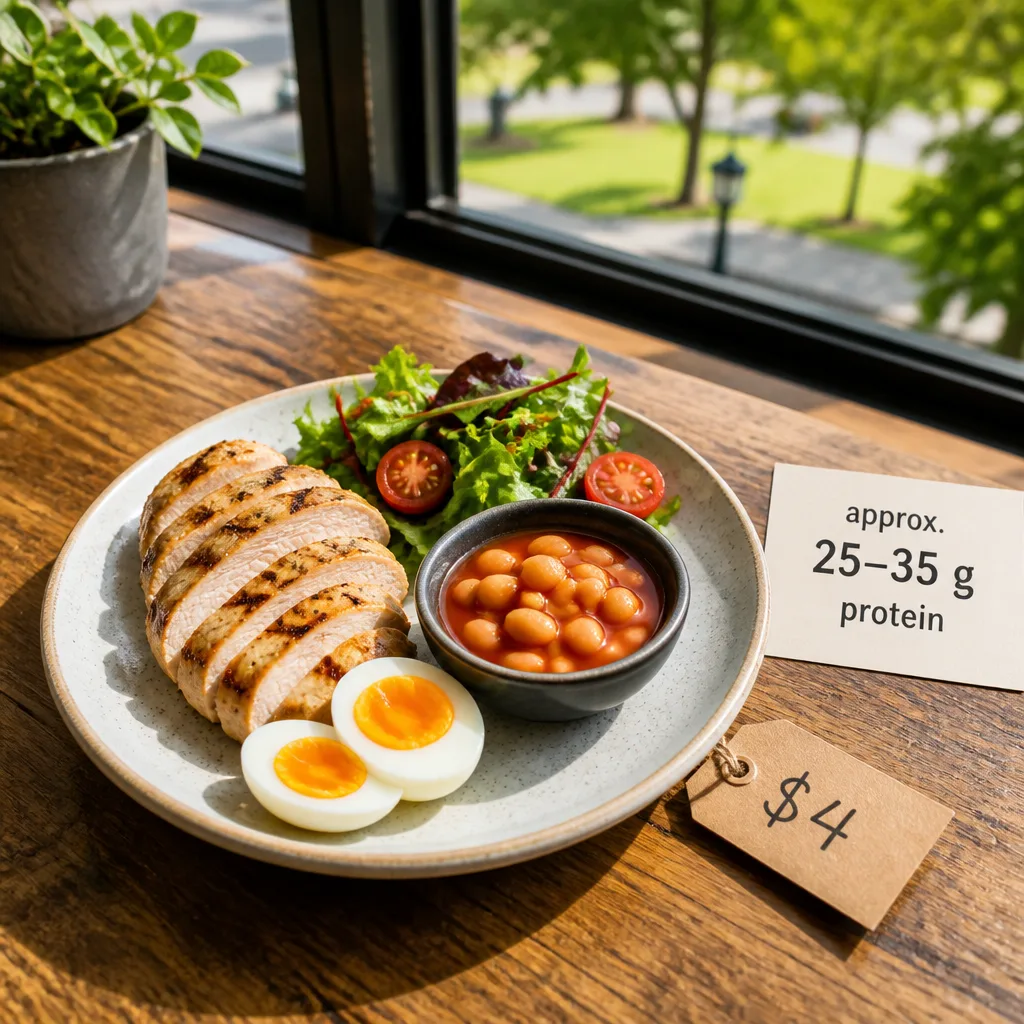
Spread your protein, not just your calories. Accredited nutritionist Faye James warns that many people concentrate most of their daily protein at dinner, undermining how effectively the body uses it — a particular concern for those aged 40 and over facing natural muscle loss.
Why timing matters as much as amount
James says muscles respond better when protein is distributed across the day, with an ideal target of about 25–35 grams per meal. She highlights a common pattern: "Many Australians have toast or cereal for breakfast, a sandwich for lunch and then eat most of their protein at dinner," which limits the muscle-maintaining benefits of protein intake.
"Our muscles respond better when protein is distributed evenly across breakfast, lunch and dinner, ideally around 25 to 35 grams per meal."
Who benefits most
Protein is important for everyone, but James notes people over 40 gain particular advantage because lean muscle naturally declines from around the 30s, a process that speeds during menopause due to falling oestrogen. For general guidance, the expert recommends most healthy adults aim for 1.2–1.6 g/kg of body weight per day. For example, a 70 kg woman would target about 85–110 g of protein daily.
Affordable lunchtime options
Amid cost-of-living concerns, James points to practical, budget-friendly choices. The fast-casual chain Soul Origin has seen rising demand for protein-rich meals, with chicken emerging as a popular, cost-effective protein on its menu — often available for around $4 at lunchtime at some outlets.
- Shift from carbohydrate-dominant breakfasts (toast or cereal) to including protein.
- Choose protein-containing lunches rather than relying on sandwiches alone.
- Distribute 25–35 g of protein at breakfast, lunch and dinner to optimise muscle maintenance.
Numbers to remember
| Recommendation | Target |
|---|---|
| Protein per meal | 25–35 g |
| Daily intake for most healthy adults | 1.2–1.6 g/kg body weight |
| Example for 70 kg person | 85–110 g/day |
These straightforward adjustments — favouring protein at every meal and choosing affordable sources like chicken for a lunchtime boost — are practical steps readers can apply immediately to help preserve muscle and well-being as they age.