
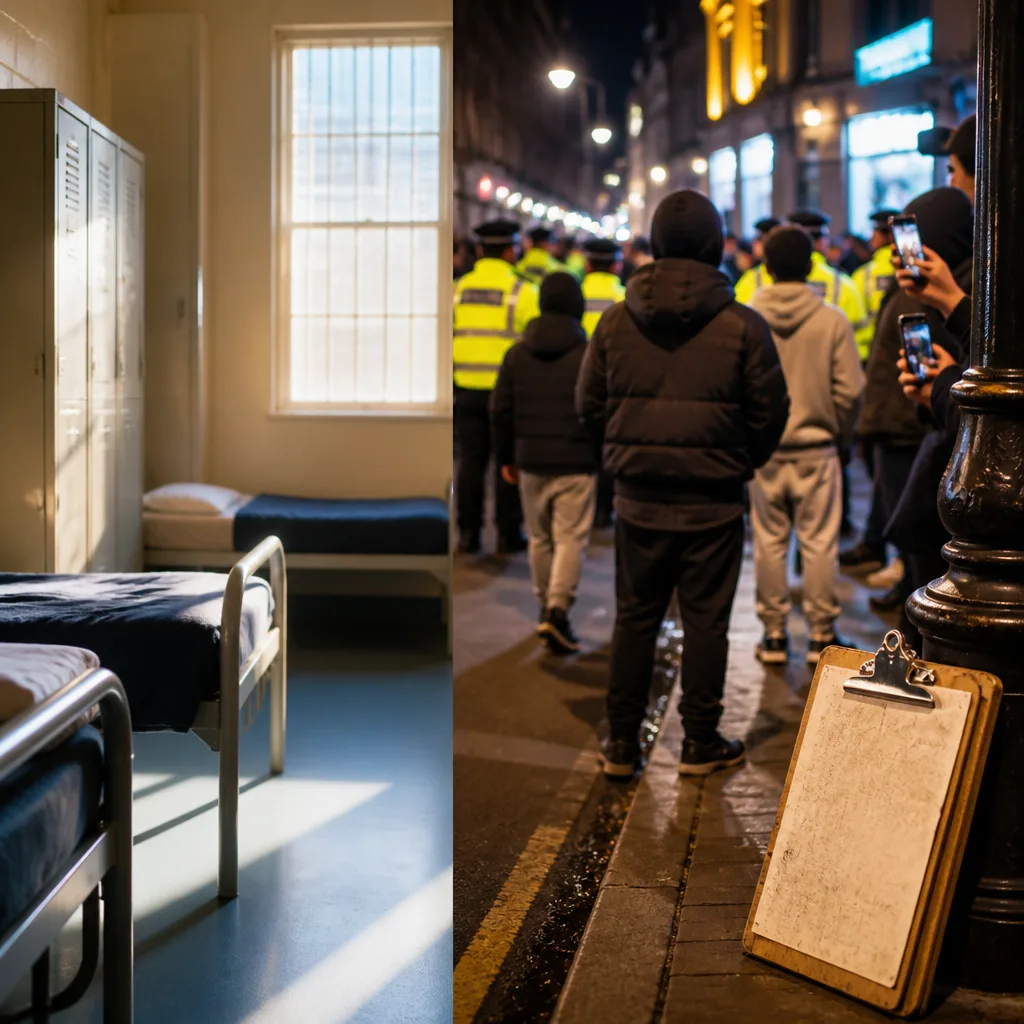
Public alarm over high-profile incidents of disorder involving young people has prompted a wave of calls for stricter policing, curfews and harsher penalties. Yet long-term data tell a different story: between 2000 and 2023 the number of young people held in juvenile facilities, adult prisons and jails fell by nearly 75%.
What the statistics show
The decline in youth incarceration has been dramatic over the past two decades. Despite the prevalence of viral videos and sensational coverage of so-called “teen takeovers” — large gatherings of young people that sometimes escalate into disorder — there is no evidence of a nationwide wave of youth crime comparable to the scale implied by the headlines. Public discourse that treats current youth behaviour as evidence of a rising crime problem has not kept pace with the empirical trend.
| Measure | Change (2000–2023) |
|---|---|
| Young people in juvenile facilities, adult prisons and jails | -75% |
Policy responses and consequences
Policymakers responding to public alarm have often pursued increased surveillance, stricter curfews, more aggressive policing and tougher penalties for young people — and in some cases penalties for parents. The source material highlights how these reactive measures risk doing real harm. Racial disparities persist at every stage of the youth justice system: Black young people are more likely to be arrested, detained and incarcerated, and to receive harsher penalties than their white peers, who are more frequently offered diversion.
- Long-term decline in youth custody runs contrary to the narrative of a youth crime surge.
- Punitive policies, including automatic charging laws, remove judicial discretion and can place minors into adult court systems.
- Being processed in adult court is associated with higher rates of future offending compared with similar youth retained in juvenile courts.
Automatic charging laws — which route individuals under 18 into the adult criminal system based solely on initial charges — are singled out as particularly worrying. By eliminating juvenile judges' discretion, these provisions can set young people on a course for poorer outcomes: evidence cited indicates that youth charged as adults are more likely to reoffend than comparable peers kept within juvenile systems.
"There is no nationwide youth crime wave."
Context and what follows
Those crafting policy and shaping public conversation face a difficult balance: responding to legitimate public concerns about safety while avoiding measures that entrench inequality and increase the likelihood of future offending. The decline in youth incarceration suggests alternatives to punitive responses deserve serious consideration, including diversion programmes, community facilities that provide safe social spaces for young people, and policies that reduce disproportionate contact between minority youth and the criminal justice system.
As public debate continues around highly visible incidents of disorder, maintaining a fact‑based approach is essential. Policy choices made now will determine whether the system moves towards rehabilitation and reduced disparity — or towards more punitive practices that risk long-term harm to a generation already experiencing fewer social outlets than previous cohorts.