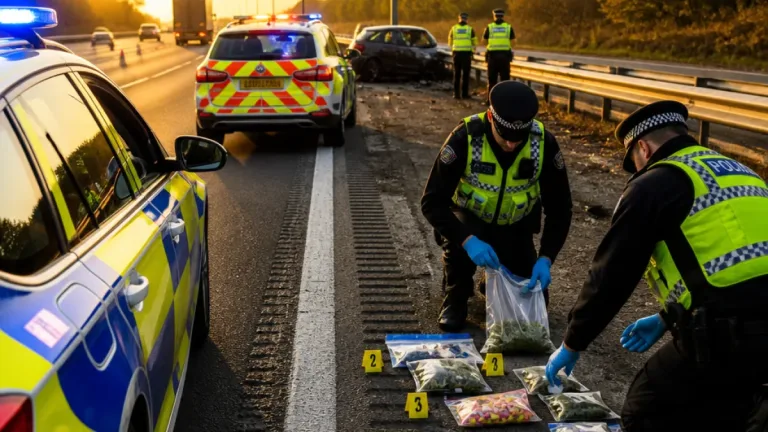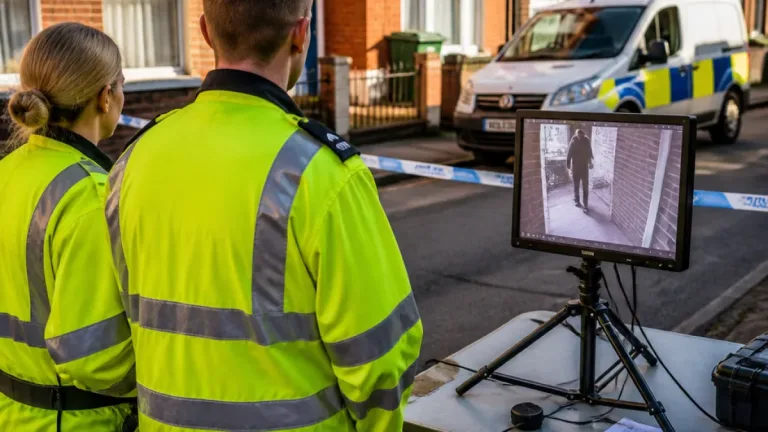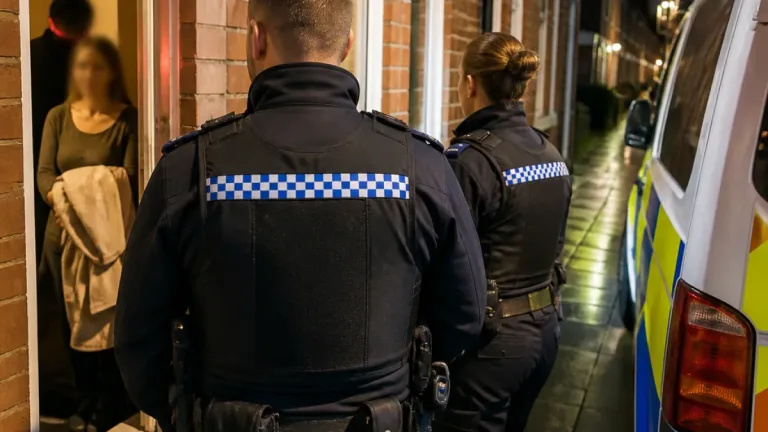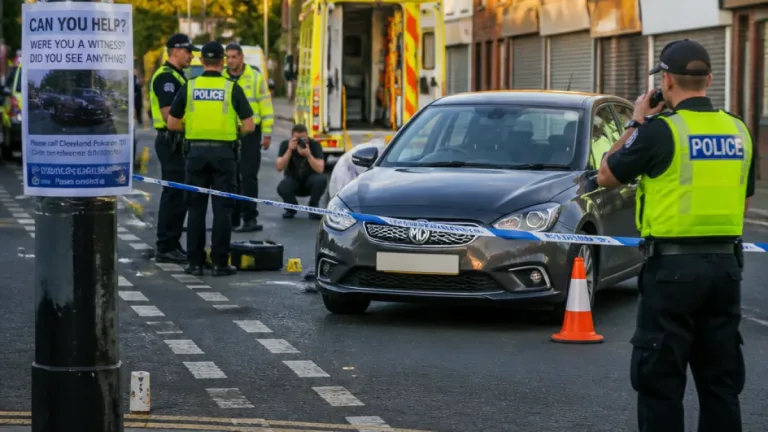
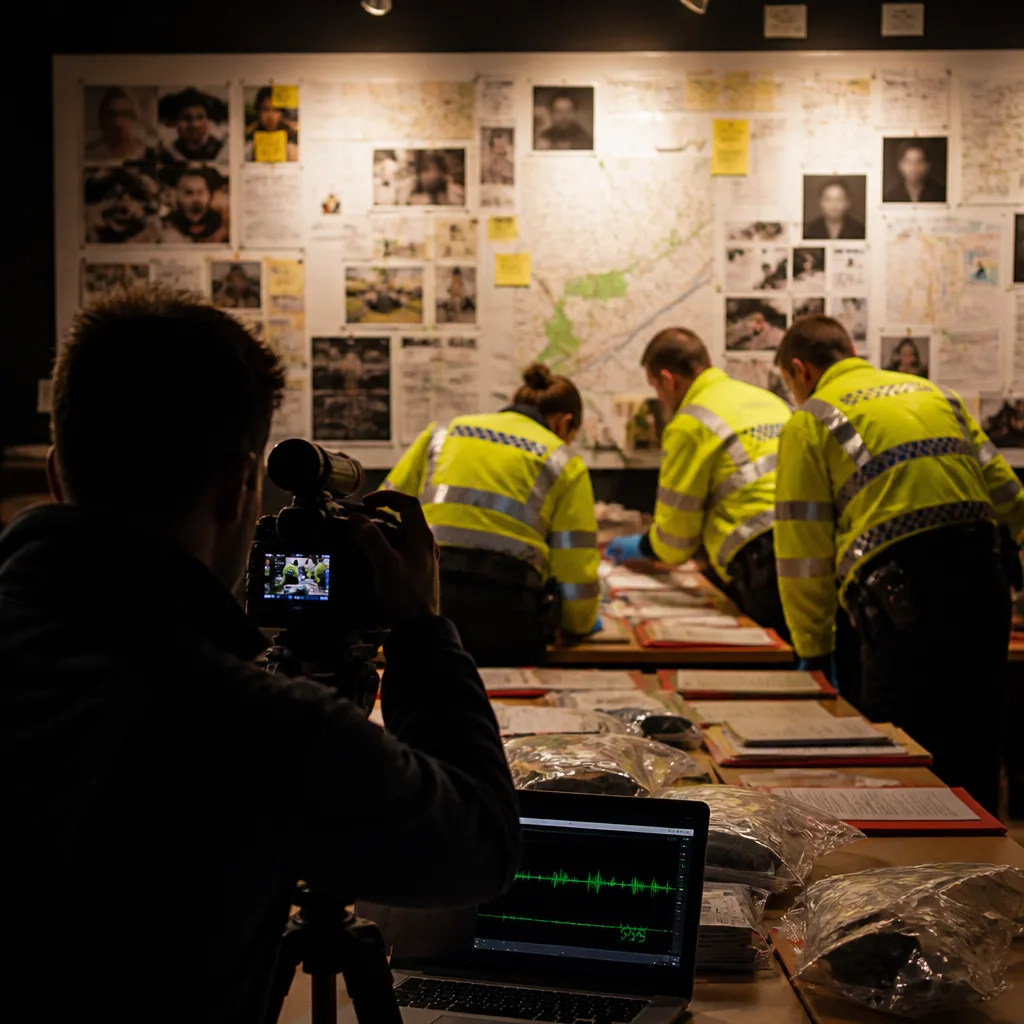
BBC documentary-makers working on Murder 24/7 have been granted unprecedented access to West Mercia Police investigations, recording material from the initial 999 call through to prosecution, the corporation says. The production aims to show the step-by-step processes of major murder and serious-crime inquiries, embedding small film teams with police units to observe evidence-gathering, arrests and courtroom procedures.
How the crews operate
Producers describe a deliberately unobtrusive approach: camera teams remain small and quiet so they do not interfere with policing activity and so those they film can eventually act naturally. The programme’s makers emphasise the need to build trust with officers, victims’ families and other participants before filming can begin.
"It takes a while for people to feel secure and to be themselves, but once they get there, honestly, it is a cliché, people do forget the cameras are there,"
The executive producer also highlighted the scale and complexity of modern criminal investigations, noting that a single major operation can involve dozens of specialists working across multiple functions. He said the series shows both the forensic and human resources required to pursue perpetrators and prepare cases for court.
Public interest and editorial focus
Programme-makers intend the series to serve two purposes: to document the mechanics of policing and to cast light on broader social problems touched on by the cases filmed. The production team has identified themes such as mental health, grooming and violence against women as recurring issues that the series can help explore in depth.
- Content captured ranges from emergency calls to courtroom scenes.
- Camera teams work in small units to avoid disrupting inquiries.
- The series intends to highlight systemic issues alongside individual cases.
Transparency, consent and operational risk
While the programme offers an unusual window on policing, it also raises practical and ethical questions. Filming live investigations requires careful management of sensitive material, safeguarding of victims and witnesses, and coordination with prosecutors to avoid prejudicing trials. The source material does not specify the legal or editorial safeguards used; it emphasises only that crews adapt to the demands of ongoing inquiries and the needs of those filmed.
| Element | As described |
|---|---|
| Range of material | From initial emergency call to prosecution |
| Crew size | Small teams intended to blend in |
| Series stage | Third series has just begun airing |
The series’ producers argue that detailed observational documentary can reveal the dedication of those involved in major investigations. At the same time, broadcasting active enquiries is likely to prompt scrutiny from legal professionals, privacy campaigners and police oversight bodies about how access is controlled and what protections are in place for vulnerable people caught up in these cases.
For viewers, Murder 24/7 offers an intimate portrait of how modern homicide investigations are run and the many individuals — detectives, specialists and support staff — required to take a case from scene to court. For the police and the criminal justice system, the series represents both an opportunity to demonstrate professionalism and a test of how operational transparency is balanced with the strictures of legal process and individual privacy.