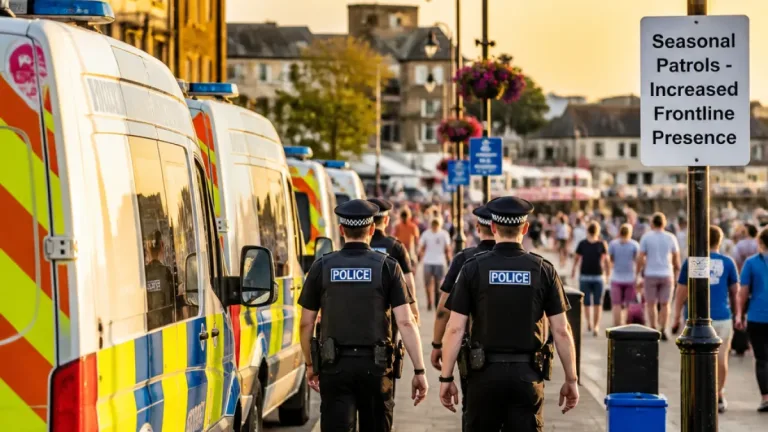
The growing use of artificial intelligence by the Metropolitan Police has prompted calls for stronger oversight to ensure technology does not outpace the safeguards that protect Londoners.
Concerns raised at City Hall summit
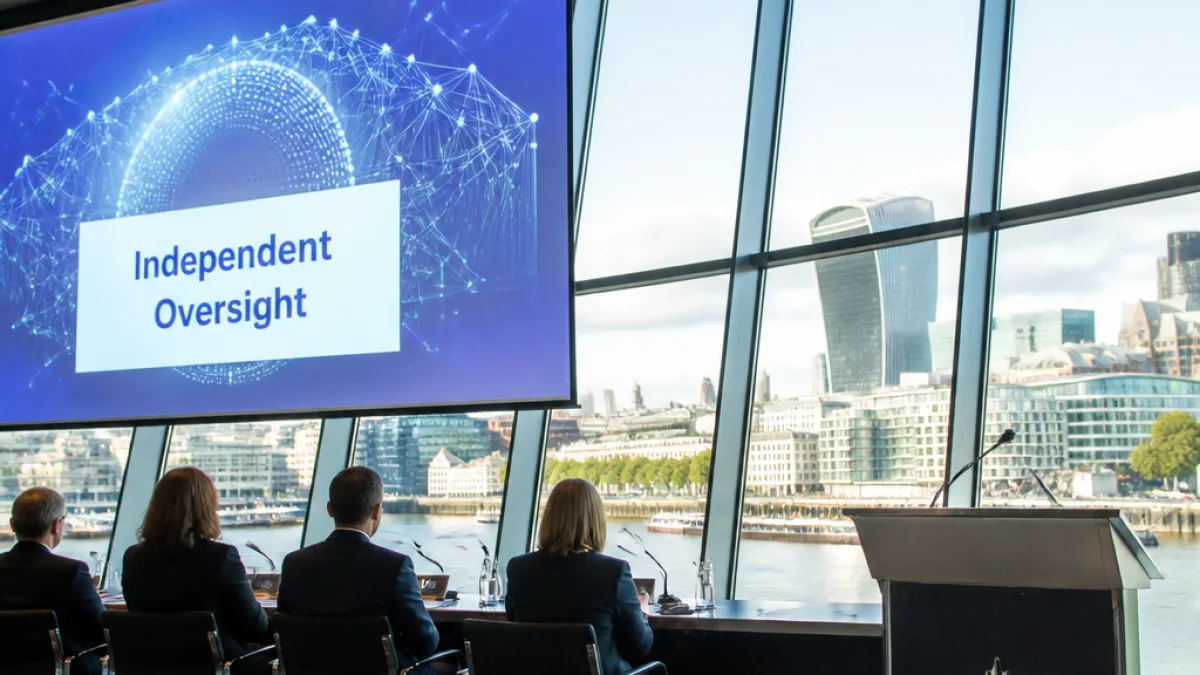
At the “Policing for London in the Age of AI” summit held at City Hall this week, academics, human rights advocates and officials debated how the Met should manage the rapid adoption of AI tools. Senior figures at the event acknowledged potential benefits — including faster evidence processing and freeing officers for frontline duties — but warned that governance is not keeping pace.
Key concerns include the absence of a single, overarching regulatory framework, the risk of biased outcomes where historically over‑policed communities are disproportionately affected, and the need for independent scrutiny of systems at every stage of deployment.
“The starting point is getting justice for the people these systems are meant to serve,” said Ruth Ehrlich of Liberty.
How AI could change police practice
Speakers suggested AI will not simply add new tools but alter policing methods. Professor Marion Oswald pointed to technologies such as remote weapon detection that could invert traditional sequences of suspicion and search, changing when and how intrusive checks are carried out.
“AI is going to usher in a new era of police culture as the old systems are being eroded and a new police force is being created,” Professor Oswald said.
Those concerns underline calls for a “human in the loop” approach, where human judgement remains central to decision‑making supported by, rather than delegated to, algorithms.
What advocates want
Civil society groups at the summit urged several measures to protect communities and victims while allowing beneficial tech to be used responsibly. Among the proposals discussed:
- Creation of an independent regulator to oversee policing technology;
- Clear legal and ethical frameworks governing deployment and data use;
- Regular audits for bias and transparency on how systems are trained and used;
- Community engagement at every stage to build trust and accountability.
| Issue | Potential impact |
|---|---|
| Bias in data | Over‑representation of historically over‑policed groups |
| Remote detection tools | Search conducted before human suspicion |
Met Commissioner Sir Mark Rowley has spoken positively about AI’s potential to assist investigations. But experts at City Hall emphasised that enthusiasm for technological efficiency must be matched with robust safeguards to uphold justice and civil liberties.
For residents across London boroughs, including Haringey, the debate highlights a need for clarity from both the Met and elected leaders about how AI will be used, which systems will be subject to independent review, and how communities will be involved in setting limits and expectations.
The summit made clear that without a coherent oversight framework, rapid deployment risks outstripping the protections designed to prevent harm. Advocates say action is needed now to ensure technology delivers benefits without undermining public confidence in policing.