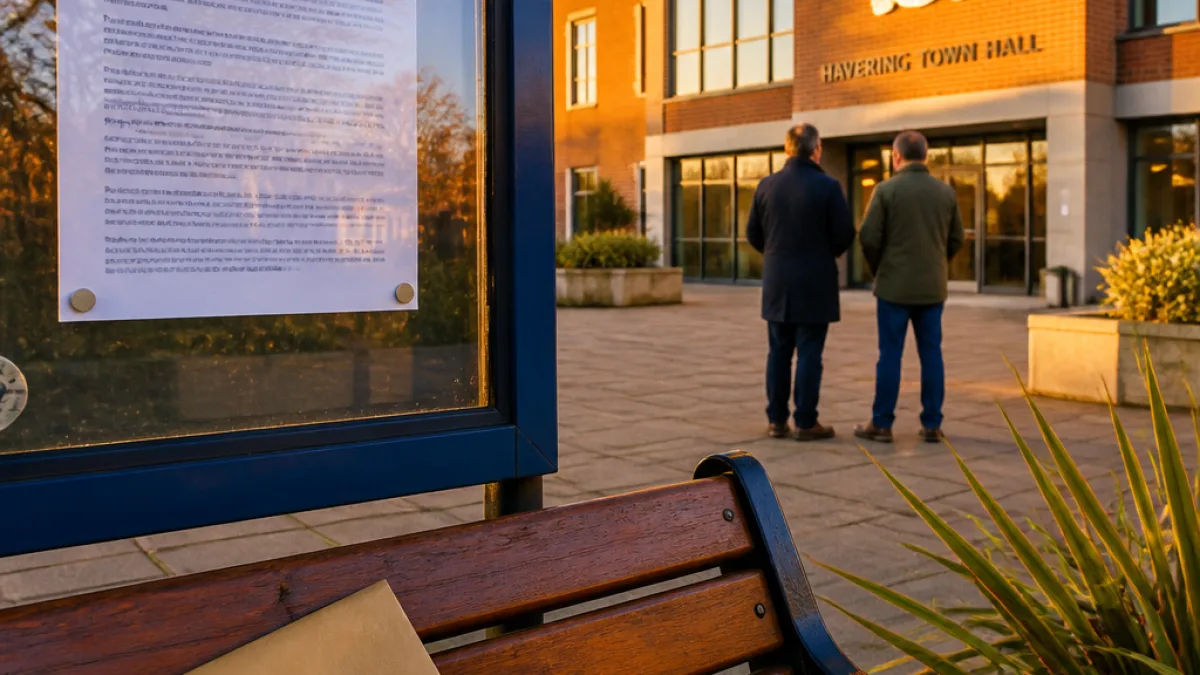
The Havering Green Party has asked the council’s Monitoring Officer to review a council press release that described the approval of the Jewson Romford expansion as evidence of a new political approach under the borough’s Reform administration. The party’s complaint centres on whether the language used risked presenting a routine planning decision as part of a wider political programme rather than a neutral, merit‑based determination.
Complaint follows council framing of decision
The council website described the application as “the first major planning application approved under Havering’s new Reform administration” and said it “sends a clear message about our ambition for the borough.” In response, Mark Whiley, Chair of Havering Green Party, wrote to the Monitoring Officer seeking scrutiny of that framing and asking for reassurance that planning decisions remain impartial.
“Planning committees are quasi‑judicial bodies. Their role is to make decisions strictly on planning merits, impartially and without political influence,”
Whiley warned that linking an approval to an administration’s agenda could create the impression that decisions are being aligned with political objectives rather than assessed objectively.
What happened at the committee
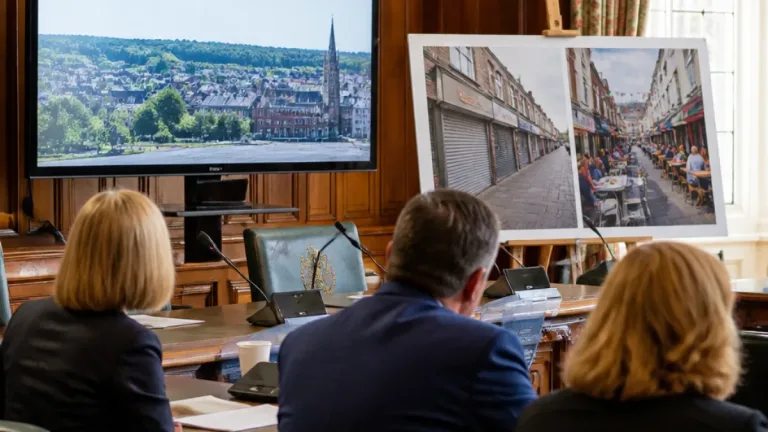
The matter was decided at last Thursday’s Strategic Planning Committee, chaired by Cllr Kevin Ayres (Reform). The chair opened the meeting stressing that planning must be undertaken “strictly in accordance with planning principles” and that the committee must act “fairly and in a legally correct manner.” Despite that formulation, the item itself attracted only a very brief discussion.
- Around five minutes of discussion on the Jewson Romford application, according to the Greens’ account.
- Concern that short debate could fuel perceptions planning applications are not being fully scrutinised.
- Call for the Cabinet Member for Planning and Public Protection, Cllr Terry Brown, to reassure residents on impartiality.
Guidance and local concern
The Greens pointed to the Local Government Association’s Probity in Planning guidance which warns councillors to avoid any appearance of bias or having predetermined views when deciding planning matters. The guidance is designed to protect the integrity of quasi‑judicial processes and public confidence in local decision‑making.
Whiley argued the political wording in the press release risked implying an approach at odds with that advice. He said the approach to planning should be “impartial, transparent, and based solely on planning merits” and asked the council to clarify the distinction between political messaging and decision‑making on planning applications.
| Item | Details |
|---|---|
| Planning application | Jewson Romford expansion (described as a major application) |
| Decision forum | Havering Strategic Planning Committee |
| Committee chair | Cllr Kevin Ayres (Reform) |
| Concern raised by | Mark Whiley, Havering Green Party Chair |
| Guidance cited | Local Government Association: Probity in Planning |
Local implications
For residents, the complaint touches on how planning decisions are presented and whether that presentation could influence trust in future decisions. Planning approvals affect traffic, local services and the character of neighbourhoods; transparency and perceived impartiality are therefore important for communities across Havering.
The Greens have asked for a formal response and reassurance from the Cabinet Member for Planning and Public Protection, Cllr Terry Brown, that members of the Reform group do not allow political messaging to influence planning determinations. The council has not published a response to the complaint in the material supplied.
As Havering sees significant development proposals come before its committees, the episode underscores the delicate balance councils must strike between communicating achievements and preserving the independence of statutory decision‑making bodies.