
The UK Health Security Agency (UKHSA) has issued amber and yellow heat‑health alerts for much of England as the Met Office forecasts a short spell of particularly warm weather, with the South East at risk of reaching 34–35°C.
What the alerts cover and when
Amber alerts, signalling a higher likelihood of adverse health impacts, will be in place from Monday until Wednesday morning for the East Midlands, East of England, South East and London. Yellow alerts will cover the North West, Yorkshire and The Humber, West Midlands and South West over the same period.
“We’re going with a headline tomorrow of 34C, but with a potential for local 35C in the South East,”
The Met Office forecaster Marco Petagna said central and southern England will generally see temperatures in the upper 20s to low 30s, with the South East and East Anglia most likely to record the highest values. Temperatures are expected to ease gradually through the week, though some areas could still see highs around 28–30°C on Tuesday.
Health implications and NHS pressure
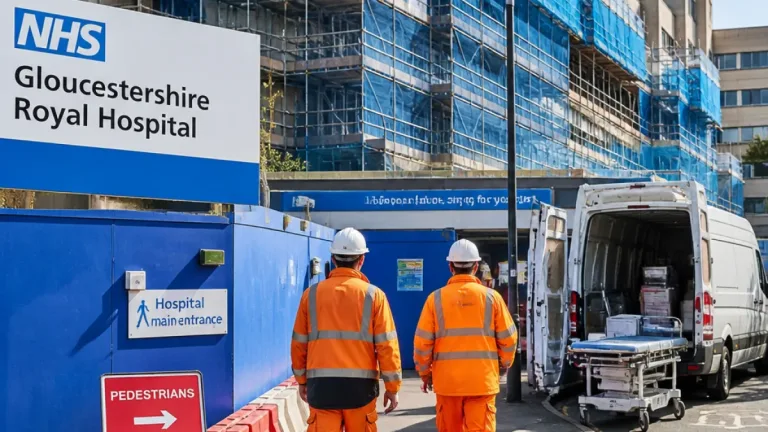
The amber heat-health alert warns that the heat could place extra pressure on the NHS, with people who are more vulnerable to heat — including older adults, those with some long‑term conditions, and people taking certain medicines — more likely to need medical attention. The UKHSA and local services typically issue such alerts to prompt preparedness among health and social care providers and to encourage the public to take sensible precautions.
Forecaster commentary also noted a change in weather patterns later in the week: low pressure moving in from the west may bring rain to northern and western parts of the UK, and there is a chance of showers reaching the South East on Tuesday and Wednesday. Parts of Scotland and Northern Ireland could see heavy rain during the same period.
Practical advice and what to expect
During spells of hot weather, public health guidance commonly includes measures to reduce heat exposure and avoid dehydration. Key actions often advised are:
- Keeping cool and seeking shade or air‑conditioned spaces where possible
- Drinking plenty of fluids and avoiding excessive alcohol or caffeine
- Checking on elderly or frail neighbours and those with health conditions
- Avoiding strenuous activity during the hottest parts of the day
Local health and emergency services use the alert system to prioritise resources and to advise care providers on managing increased demand. The guidance and alerts are designed to reduce avoidable illness and to protect those at greatest risk.
| Alert level | Regions affected | Timing |
|---|---|---|
| Amber | East Midlands; East of England; South East; London | Monday to Wednesday morning |
| Yellow | North West; Yorkshire & The Humber; West Midlands; South West | Same period |
Officials say this spell of warmth is expected to be brief, with temperatures easing through Wednesday, but the combination of high temperatures and strong sunshine in central and southern England means there is an elevated risk that health services may see increased demand. Citizens are advised to follow official guidance and take simple precautions to reduce risk.