The UK Health Security Agency (UKHSA) has issued a series of heat-health alerts covering eight regions of England, warning that a spell of hot weather this week could elevate health risks, particularly for older people and those with pre-existing conditions.
Alert map and timings
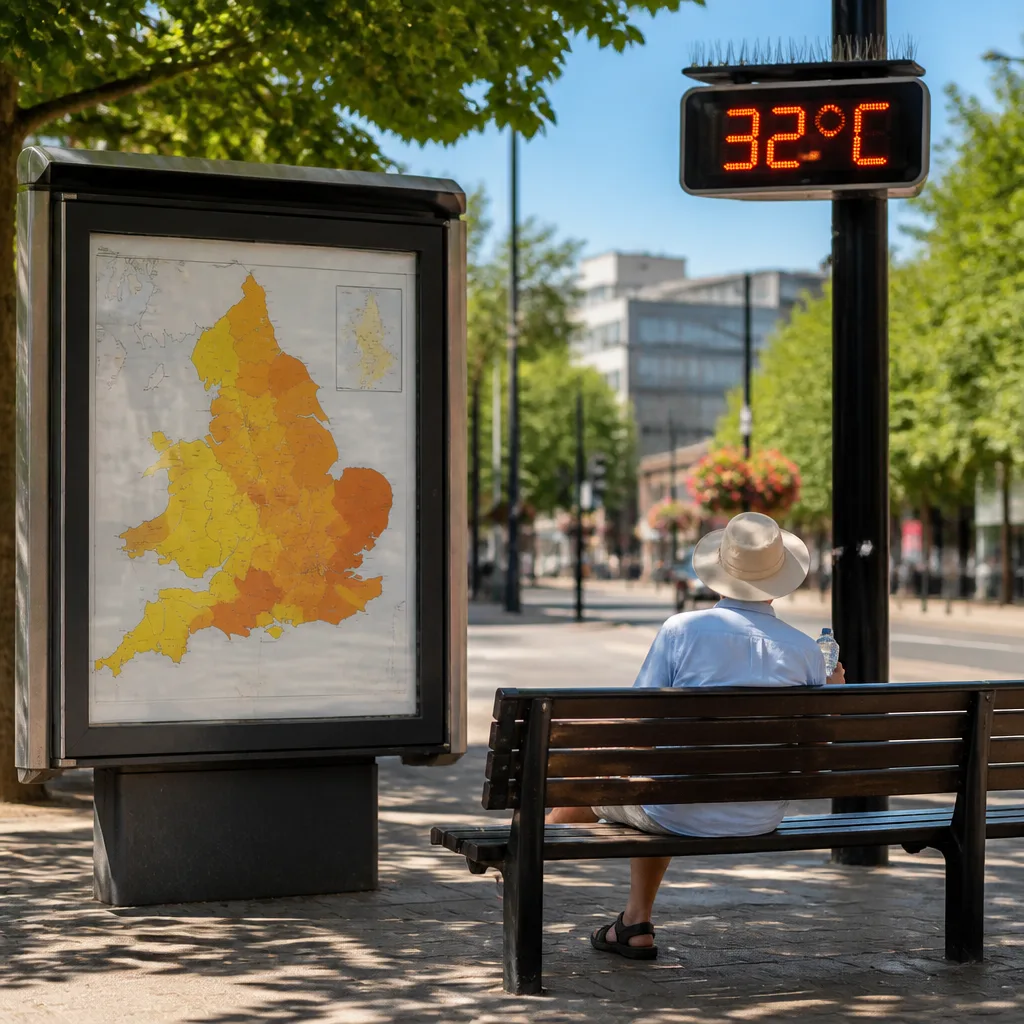
From 09:00 on Monday until 09:00 on Wednesday, 5 August, the UKHSA placed the East Midlands, East of England, South East and London under an amber alert. During the same period the North West, Yorkshire and The Humber, West Midlands and South West were designated yellow.
| Alert level | Regions |
|---|---|
| Amber | East Midlands; East of England; South East; London |
| Yellow | North West; Yorkshire and The Humber; West Midlands; South West |
Why this meets the heatwave threshold
The Met Office forecast cited in the agency’s briefing anticipates temperatures around 28°C on Sunday, rising to about 32°C on Monday, then about 28°C on Tuesday. The UKHSA notes that three or more consecutive days at or above 28°C fulfils the technical criteria for a heatwave.
Who should be most cautious
UKHSA emphasised that the greatest risks are to vulnerable groups, especially people aged over 65 and those living with chronic health problems. Health and social care services in the affected regions were urged to check preparedness.
"We are urging health and social care services in affected regions to ensure they are prepared, and reminding people to look out for elderly relatives, neighbours, and those with underlying health conditions," said Polly Ashmore, Acting Consultant in Public Health at UKHSA.
She added practical measures to reduce risk, including staying hydrated, avoiding the sun during the hottest hours and keeping living spaces cool.
- Keep water readily available and drink regularly, even if you do not feel thirsty.
- Avoid strenuous activity during mid-afternoon; seek shade or cool indoor spaces.
- Check on older neighbours and people with long-term illnesses; ensure they have cooling and hydration.
- Keep rooms shaded and ventilated where possible; close curtains on sun-facing windows.
The UK has just experienced its driest July on record, and the agency’s alert comes amid wider concerns about heat-related harm. Local services are being reminded to revise contingency plans and public messaging to reflect the forecast.
Health services and individuals are being asked to follow the practical precautions offered by UKHSA to reduce the likelihood of heat-related illness during the period of heightened temperatures.
Note: This report summarises official advice and regional alert designations issued by UKHSA and the Met Office forecasts as reported in the agency statement.