Hospital admissions for mental health problems rise during periods of extreme heat, according to research by an Oxford University specialist, who said the effect may be most pronounced for people already living with mental illness.
Study finds roughly 10% increase in admissions during heatwaves
Dr Emma Lawrance, a senior research fellow in climate change and mental health, reported that admissions associated with poor mental health were about 10% higher in heatwave conditions compared with non-heatwave periods. She described a range of mechanisms that could explain the trend, from direct physiological effects of overheating on the brain to indirect impacts on routines and sleep.
- Physiological stress: overheating can affect body and brain function.
- Disrupted sleep: high overnight temperatures reduce recovery time from daytime heat.
- Social and behavioural changes: altered routines, less exercise and reduced social contact can all influence mental wellbeing.
Why hot weather can make mental health worse
Lawrance pointed to a combination of biological and social factors. Heat may directly influence brain chemistry and increase agitation or confusion for some people. At the same time, high temperatures can interrupt sleep, reduce opportunities for physical activity, and change daily patterns — each of which is known to affect mood and symptom control in people with existing mental health conditions.
She also highlighted the psychological burden posed by concerns about climate change itself, sometimes called climate anxiety or eco-anxiety, which can intensify during prolonged hot spells.
"It's really important that people know to take care of themselves and their family," she said. "More people care or feel like this than you think. Be very kind to yourself."
Practical implications for health services and the public
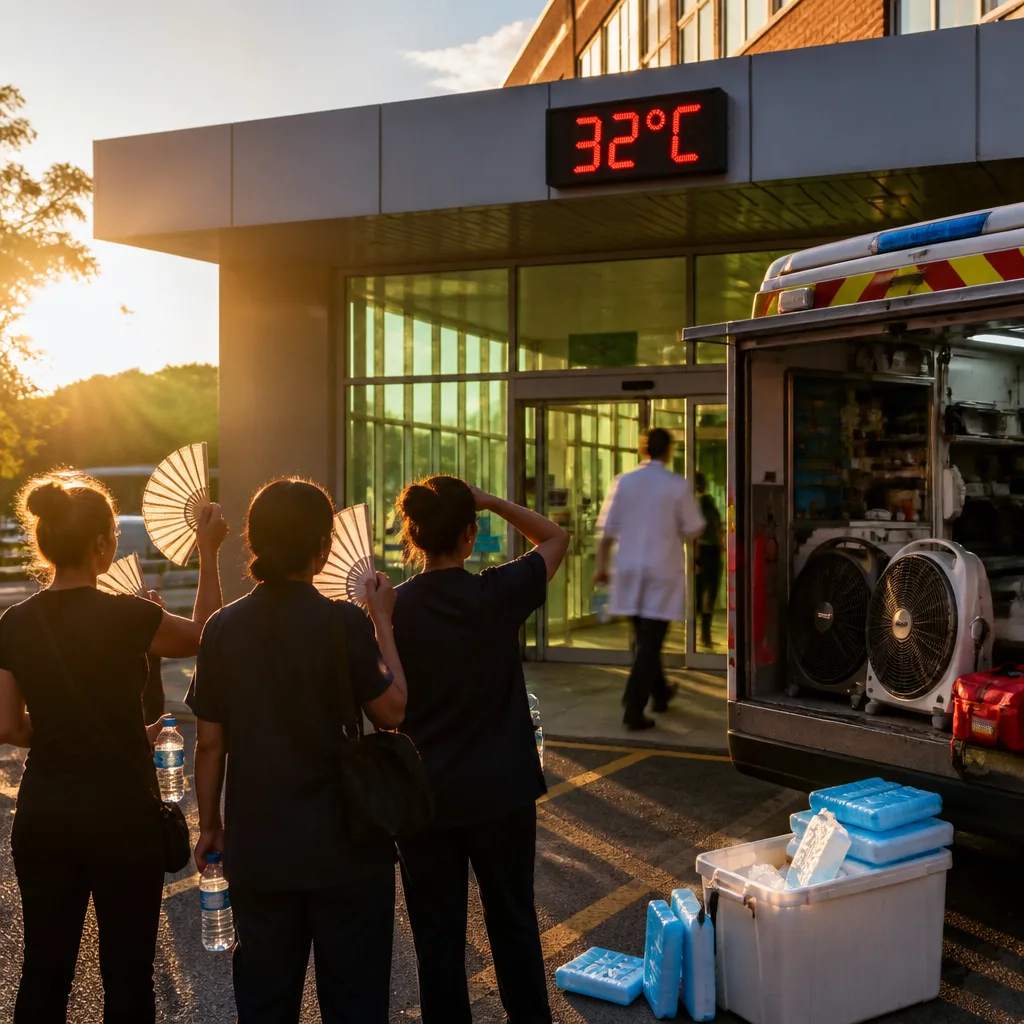
Higher demand for mental health care during heatwaves could strain emergency and community services, especially if hot periods become more frequent or prolonged. Dr Lawrance advised straightforward measures that may help individuals cope during hot weather: staying hydrated, keeping body temperature down and checking on vulnerable neighbours, friends and relatives.
| Measure | Why it helps |
|---|---|
| Hydration | Supports physiological regulation and reduces overheating risk |
| Night-time cooling | Improves sleep and daytime recovery |
| Social checks | Identifies those who may need support or clinical help |
The findings add to a growing body of evidence linking extreme weather to health harms beyond heatstroke and cardiovascular disease. Researchers warn that people with pre-existing mental health problems — and services that support them — should be considered in planning for heatwave response and climate adaptation.
If you or someone you know is affected by the issues raised in this report, help and support are available from local and national mental health services.