Teen describes two-week hotel stay before being moved to a temporary flat
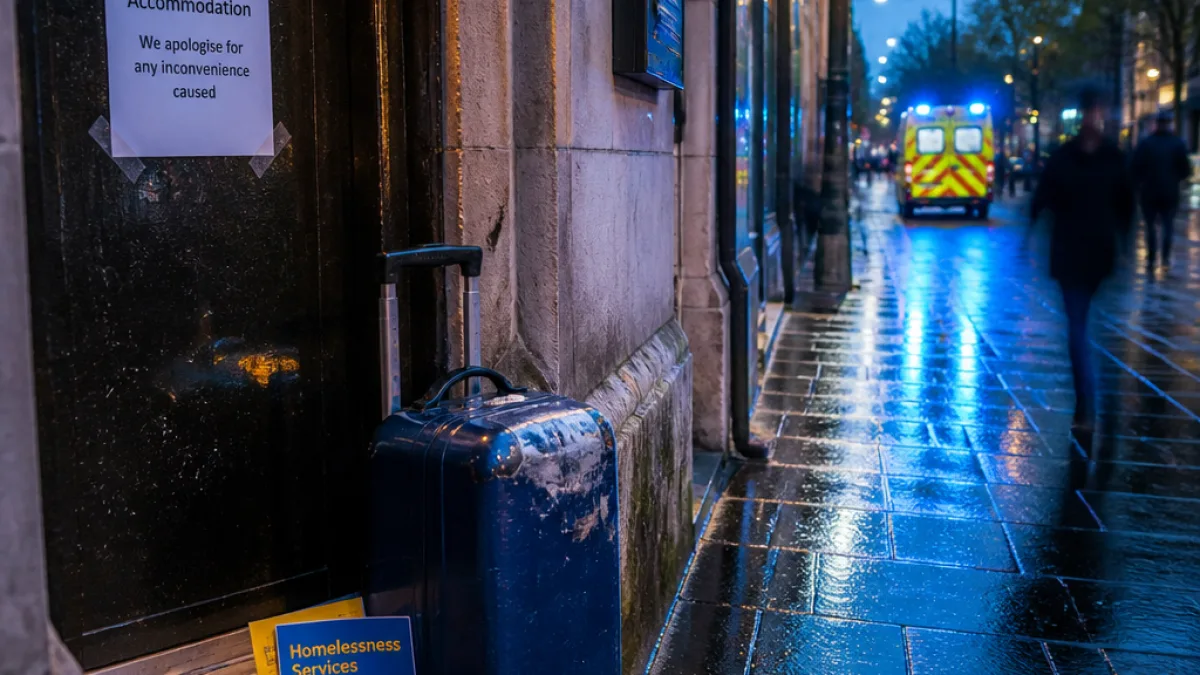
A homeless 19-year-old placed in hotel accommodation on Sauchiehall Street says his two-week stay left him distressed and concerned for his health, alleging conditions were poor and that the duration exceeded the limit allowed in housing law before it is deemed unsuitable. He was later admitted to the Queen Elizabeth University Hospital with liver and kidney problems and rehoused only after interventions from support staff.
Kyle Taylor was initially accommodated at Smith’s Hotel while awaiting a temporary tenancy. He told reporters he had been in the hotel for around 14 days, which he said was twice the permitted time before such accommodation is categorised as unsuitable under housing rules.
“I feel I have been let down by Glasgow City Council,” he said. “After making a homelessness application, I was placed in hotel accommodation while waiting for a temporary flat.”
He said conditions were poor, describing the presence of rat traps around the building, including under his bed. Taylor, who lives with mental health problems and epilepsy, said previous trauma associated with hotel stays compounded his difficulties. He reported feeling increasingly anxious due to uncertainty over when he would be moved into more appropriate accommodation.
Hospital admission and subsequent move
After roughly two weeks in the hotel, Taylor was admitted to the Queen Elizabeth University Hospital for treatment relating to his liver and kidneys. Following that admission, and with input from a housing support worker and hospital staff, he was provided with a temporary furnished flat. He expressed appreciation for the eventual move but remained critical of the delay and the use of hotel rooms in the interim.
Glasgow has used short-stay hotels to manage pressure on homelessness services, particularly when demand for emergency placements runs high. While such rooms can offer a rapid stopgap, campaigners and service users have frequently raised concerns about suitability, length of stay and the knock-on effects for people with existing health conditions or trauma histories. In Taylor’s case, the hotel period lasted long enough to be considered unsuitable under housing rules, according to his account.
Claims about conditions and legal threshold
Taylor said he was explicitly aware of his rights and was alarmed that he remained in a hotel beyond the point at which the accommodation is considered unsuitable. He described his experience as worsening his mental health, saying uncertainty and a lack of a clear timescale for a move left him feeling “distressed and forgotten”.
He also alleged hygiene and pest-control concerns at the site, citing visible traps beneath furniture. While hotels are sometimes used for emergency placements owing to capacity issues in temporary housing, those arrangements are meant to be short-lived and reviewed promptly.
What this means for people seeking help
People making a homelessness application should receive an assessment and be offered temporary accommodation when they have nowhere safe to stay. Hotel use is a last resort and, under housing law, is subject to strict time limits and suitability standards. Prolonged placements can be particularly challenging for people with ongoing health needs or disabilities, and for those with prior trauma linked to institutional or hotel settings.
In this case, the move to a temporary furnished flat came after clinical admission and additional advocacy from support workers involved in Taylor’s care. The episode underlines the importance of regular case reviews and clear communication with applicants about timescales and next steps while they wait for more stable accommodation.
Timeline of key events
| Event | Detail |
|---|---|
| Initial placement | Hotel on Sauchiehall Street used as temporary accommodation |
| Length of stay | Approximately 14 days, beyond the limit before it is classed as unsuitable |
| Health development | Admitted to Queen Elizabeth University Hospital with liver and kidney issues |
| Outcome | Moved into a temporary furnished flat after interventions |
Local context and next steps
Glasgow’s homelessness services continue to face high demand and constrained supply of suitable temporary and permanent homes. This case highlights the pressures within the system when interim hotel rooms are used longer than intended and the potential impact on individuals with complex health needs. Ensuring that time limits are respected, accommodation remains fit for purpose and support is in place to prevent deterioration in health will be central to maintaining public confidence.
Residents concerned about their placement can raise issues with their allocated housing officer or support worker, and can request a review of their temporary accommodation if it does not meet their needs or if their circumstances change. Independent advice services are also available to help people understand their rights and to advocate on their behalf.
- Hotel stays for homeless applicants are designed to be a short-term measure subject to strict time limits.
- People with existing health conditions may be disproportionately affected by prolonged use of such accommodation.
- Early advocacy and regular case reviews can help secure more suitable placements sooner.