
This B.C. Day long weekend is prompting renewed attention to the province’s past and how it is told. While British Columbia became Canada’s sixth province in 1871, experts say that focusing only on colonial milestones obscures a far longer human story lived across these lands.
The debate over how long people have lived here
Scholars and Indigenous communities differ on the length of human presence in what is now B.C., but consensus is clear that it predates colonial settlement by many millennia. Archaeological research has pushed some estimates back substantially; where older accounts suggested figures around 12,000 to 25,000 years, work by specialists now points to timelines possibly approaching 40,000 years or more.
“That’s a huge debate, I would say, and the debate is really how far back it goes,”
The comment above comes from Dr Daniel Sims, an associate professor with expertise in Indigenous studies, history, reconciliation and indigenization. He cautions that pinning down exact dates is challenging, but the trend of archaeological findings is shifting perceptions about when people first occupied these lands.
Key moments often taught — and what they miss
Popular timelines of B.C. history tend to highlight events linked to colonial development: the province’s entry into Confederation in 1871; the earlier union of Vancouver Island and mainland British Columbia as a crown colony in 1866; the completion of the Canadian Pacific Railway in 1885; the Gastown fire of 1886; and the Komagata Maru incident in 1914. Residential schools are also central to any accurate recounting of the last two centuries.
- Provincial founding: 1871 (sixth province of Canada)
- Union forming crown colony: 1866
- Canadian Pacific Railway completion: 1885
- Gastown fire: 1886
- Komagata Maru incident: 1914
Local traditions, geological events and cultural memory
Rather than a single unified narrative across the whole province, Dr Sims highlights regional differences. Many Indigenous communities anchor memory in events such as earthquakes, volcanic eruptions and tsunamis — natural phenomena that are woven into local traditions and histories and that shaped migration and settlement patterns.
These kinds of events, he argues, are as much historical touchstones as the colonial-era milestones typically taught in schools. Recognising them alters how we think about continuity, displacement and resilience in different parts of B.C.
What this means for visitors and residents
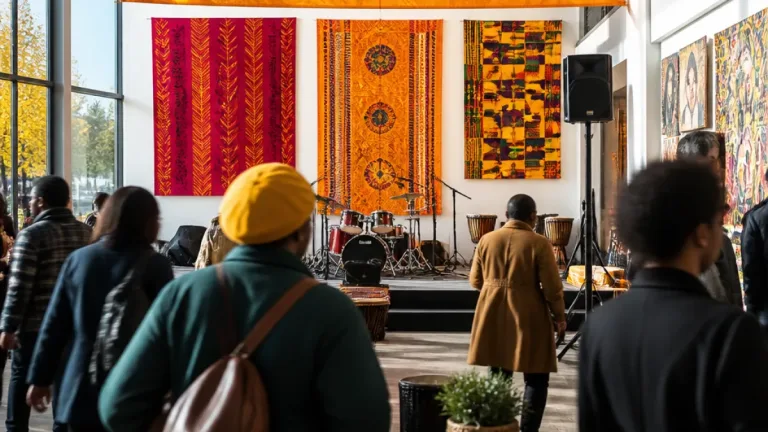
For those planning activities this long weekend, the conversation is a reminder that B.C.’s cultural landscape is layered. Museums, cultural centres and local Indigenous-led events can offer perspectives that situate well-known dates within a far deeper human history. Engaging with those sources helps paint a fuller picture of the province beyond the familiar colonial timeline.
| Event | Date |
|---|---|
| Union forming crown colony | 1866 |
| Province enters Confederation | 1871 |
| Canadian Pacific Railway completed | 1885 |
| Gastown fire | 1886 |
| Komagata Maru incident | 1914 |
Understanding B.C.’s past means listening to archaeological evidence and Indigenous voices together, and recognising that the history of this place stretches far beyond the dates usually highlighted on commemorative plaques.