Volunteer lifeboat team tackles rough seas off south Cornwall
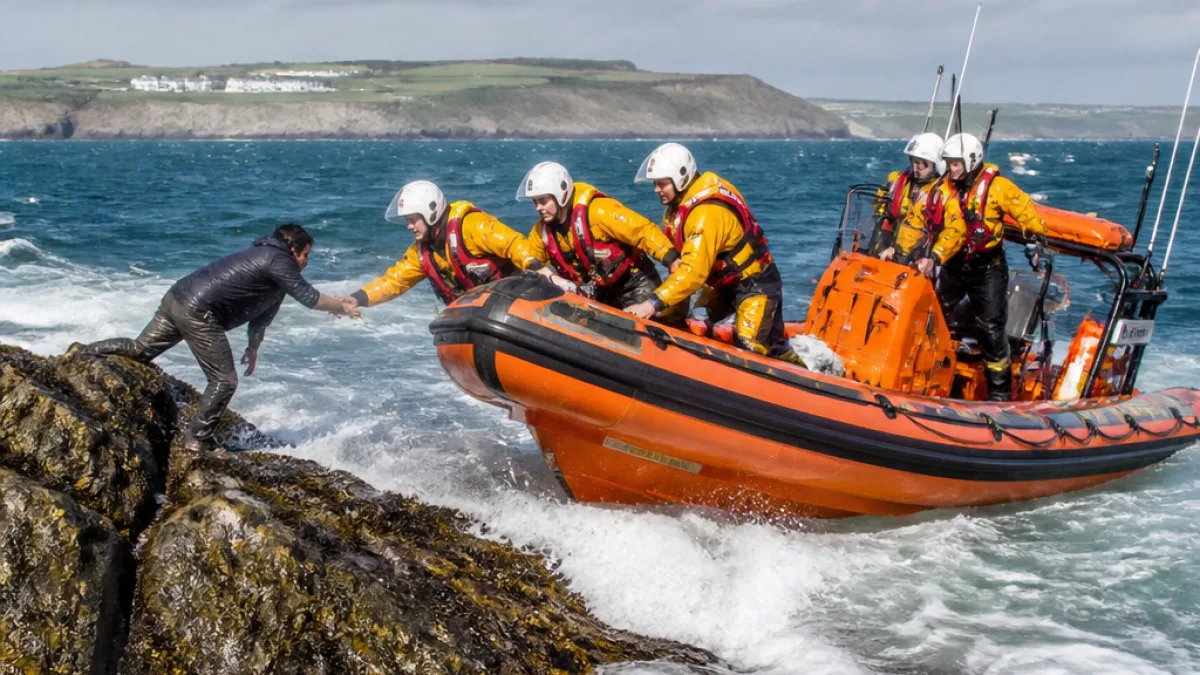
A man stranded by a fast-rising tide at Polmear Island, close to Charlestown on Cornwall’s south coast, was rescued by RNLI volunteers on 13 July. The lifeboat crew approached the rocky outcrop in challenging conditions, edging in through heavy swell to reach him and bring him to safety.
The incident, confirmed on Monday 20 July, comes at the height of the summer season, when more people are exploring the shoreline and the risk of being cut off by tides increases. Footage of the operation shows the crew working carefully around the rocks in rough water to complete the rescue.
What happened and where
Polmear Island sits just off the coast near Charlestown, an historic harbour on St Austell Bay. In unsettled weather, waves can rebound off the granite ledges, complicating any close-quarters manoeuvre by a lifeboat. According to the account shared publicly, the volunteers steadily closed the gap to the rocks despite the conditions and recovered the stranded individual.
| Detail | Information |
|---|---|
| Date | 13 July 2026 |
| Location | Polmear Island, near Charlestown, Cornwall |
| Rescue service | RNLI volunteer crew |
| Conditions | Rough seas; rocks and swell |
Seasonal tide risks on Cornwall’s coast
Summer brings larger numbers to beaches, coves and coastal paths, increasing the likelihood of people wandering onto tidal platforms and headlands that submerge rapidly. Even on seemingly calm days, the water level can lift quickly, cutting off return routes. The south Cornwall coastline has numerous inlets and rocky spurs where escape becomes difficult once the flood tide turns.
Being caught out is often a matter of timing rather than distance. A stretch of rock that is dry and passable at low water can become isolated within an hour as the tide advances and swell builds. Winds and atmospheric pressure can also influence local sea levels, amplifying the effect and shortening the safe window.
Simple steps to reduce the risk
Local services regularly remind coastal visitors to plan around the tide and to treat rocky islands and causeways with caution. Practical measures include:
- Check a reliable tide timetable for your exact location and build your trip around the next high water, not just the current state of the tide.
- Keep an eye on time and distance; turn back well before channels start to fill and before waves begin washing across low sections.
- Avoid climbing onto slippery rocks or ledges during swell or strong onshore winds, when waves can surge suddenly.
- If in difficulty or if you spot someone at risk, call 999 and ask for the Coastguard.
Volunteers at the centre of coastal response
RNLI crews around Cornwall are made up of trained volunteers who respond at short notice to incidents ranging from strandings to capsized craft. Close-in rock rescues require precise boat handling and cautious approach speeds to avoid damage from rebound waves. The successful recovery near Charlestown demonstrates the value of local knowledge and regular training in dealing with awkward, surf-affected approaches.
Why this matters for Charlestown and nearby beaches
Charlestown’s historic quays and surrounding coves attract visitors year-round, and the area’s geology creates pockets where the sea floods quickly. As peak holiday weeks approach, local authorities and rescue charities typically see a rise in coastal callouts linked to tides and slips on rocks. While the man rescued at Polmear Island was reached in difficult water, the incident underlines a broader message: brief checks before setting out—tide times, weather and escape routes—can make the difference between a routine outing and an emergency.
The RNLI’s account of the July rescue highlights the care required to operate around submerged reefs and uneven ground. For residents and holidaymakers alike, the safest approach is to plan conservatively, keep within easy reach of an exit, and treat any apparent island or headland as temporary when the tide is on the rise.