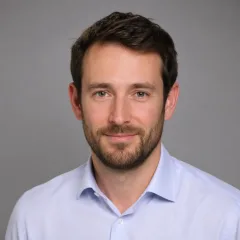
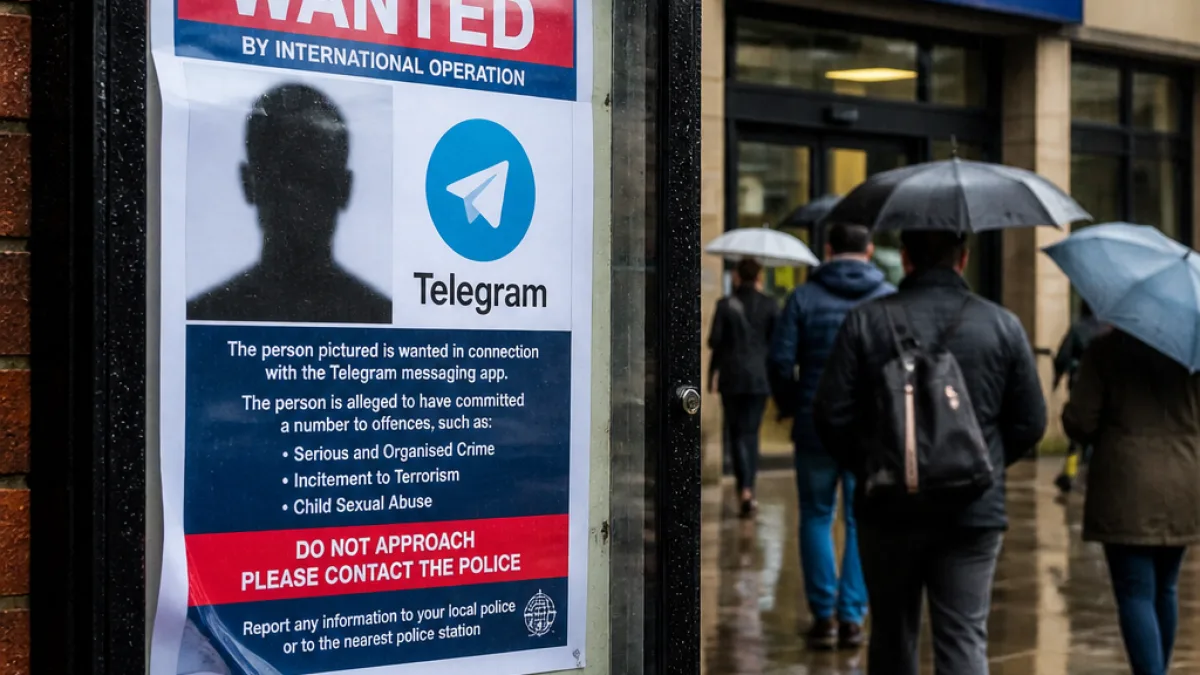
Russia's Federal Security Service (FSB) has charged Pavel Durov, the founder and owner of the messaging service Telegram, with “aiding terrorism” and placed him on an international wanted list, the agency announced this week.
Escalation in Kremlin efforts to control the web
The charges follow a long-running campaign by Russian authorities to tighten oversight of online platforms. The FSB accuses Telegram’s administrators of failing to remove “numerous channels, chats and bots” which it says were being used by Ukrainian intelligence services and by what it described as “terrorist and extremist organisations” to plan sabotage, terrorism and other violent acts inside Russia.
“Numerous channels, chats and bots” are “actively used by Ukrainian intelligence agencies, terrorist, and extremist organisations to prepare and co-ordinate acts of sabotage and terrorism, mass murder, and cyberfraud,” the FSB said.
According to the FSB, one particular allegation centres on a popular dating chatbot on Telegram that Ukrainian services allegedly used to recruit Russian citizens for criminal acts. The agency said 46 users aged between 12 and 22 have been detained across Russia since July 2025 in connection with assaults on law-enforcement officers, arson and other offences.
Legal and political stakes
Mr Durov, who was born in Russia but relocated abroad and has previously clashed with Moscow, said earlier this year that a criminal probe had been opened against him. He accused authorities of manufacturing pretexts to restrict access to Telegram as part of broader efforts to “suppress the right to privacy and free speech”.
If convicted under Russian law, the entrepreneur could face a sentence of up to life imprisonment, underscoring the severity of the charges and the political risk for platform operators who resist domestic controls.
- What the FSB alleges: failure to remove problematic content; use of a chatbot to recruit for illegal acts; resulting casualties.
- Claimed detentions: 46 people, aged 12–22, detained since July 2025.
- Potential penalty: up to life in prison if convicted.
Context: internet policy and censorship in Russia
The move against Telegram forms part of a longer trend under President Vladimir Putin in which the state has pressed to bring greater control to the online environment. In recent years Russia has blocked or restricted major international platforms, introduced laws increasing surveillance and content regulation, and developed technical measures to manage internet traffic. Platforms that do not comply with Russian demands have faced bans or throttling.
| Item | Detail |
|---|---|
| Charged individual | Pavel Durov |
| Accusation | Aiding terrorism; failure to remove channels, chats and bots |
| Reported detentions | 46 users aged 12–22 |
| Possible penalty | Up to life imprisonment |
The case raises questions about platform responsibility, user privacy and the reach of national law when services operate across borders. Telegram remains widely used in Russia despite repeated pressure from the authorities; the company has in the past resisted demands to hand over encryption keys or user data, citing technical and ethical constraints.
For residents and readers in Bury, the charges underline how disputes over digital rights and platform governance can have international reverberations. While this development does not have direct local legal implications, it is part of a global debate over how democracies and authoritarian states regulate messaging services and the protections afforded to users and platform operators.
Further updates are likely as legal and diplomatic responses unfold. InfoRadar will monitor developments and report any material changes, including official statements from Telegram or from Russian authorities that clarify the scope of the charges.