Disability group warns scheme could make walking more hazardous
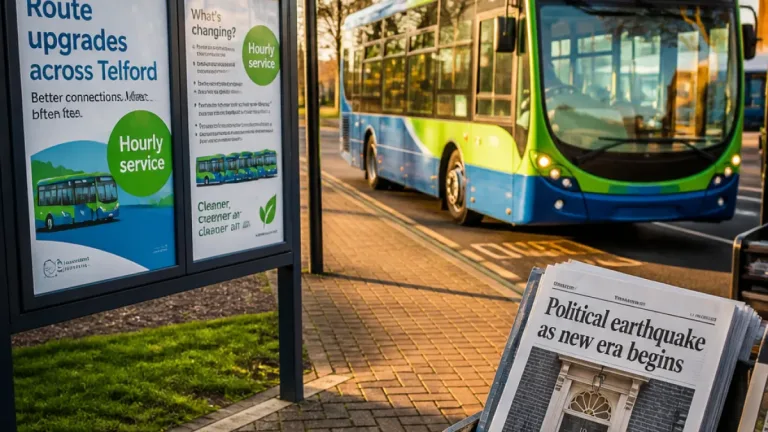
Plans for a dedicated public transport corridor linking Salford Crescent station with MediaCity, part of a £23.4m project promoted by Transport for Greater Manchester and Salford City Council, have been criticised by local disability advocates who say elements of the design are "dangerous" and not sufficiently thought through.
Officials say the proposals aim to reduce journey times on the 50 bus route, improve cyclist safety and boost pedestrian accessibility. But at a full council meeting on 15 July, Kay Fairhurst, Chair of the Salford Disability Forum, challenged councillors directly, arguing the scheme risks making streets harder and less safe to navigate for people with sight and hearing impairment.
“The plan seems to favour bikes over pedestrians. … If you’re partially sighted and have hearing loss like me, it’s hard to get out of the way on time if there’s a cyclist coming at you full pelt. I could easily end up in an accident. I’m worried I won’t feel safe anymore.”
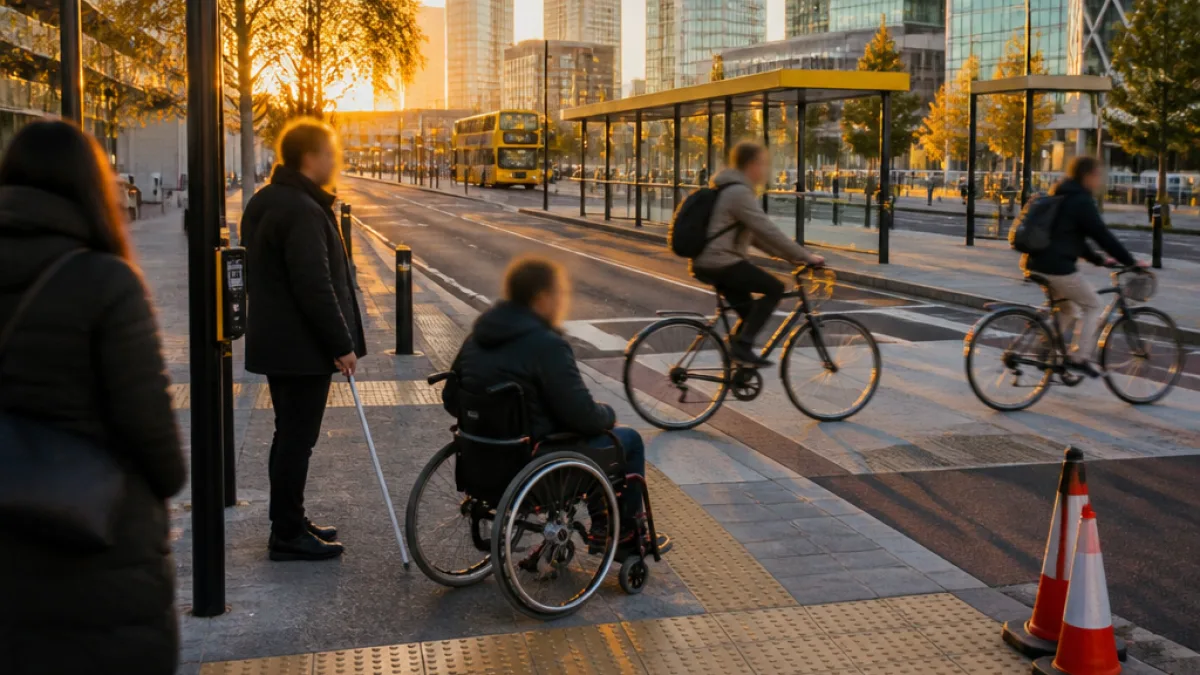
Ms Fairhurst, who uses a mobility cane and has significant sight loss, highlighted concerns about sections where cyclists, e‑scooters and pedestrians would share pavement space, and where those routes intersect with crossings and bus stops. Particular alarm was raised over proposed ‘floating bus stops’, which require pedestrians to cross cycle lanes to reach the bus boarding area.
Floating bus stops have been controversial elsewhere in Greater Manchester and beyond. The Royal National Institute for Blind People has campaigned against them, and the Department for Transport previously advised councils to pause further roll‑out of such designs. Despite that, floating stops currently form part of Salford’s submitted plans.
Council response and outstanding questions
In response to the concerns raised at council, Councillor Mike McCusker, Deputy Mayor and cabinet member for Transport and Planning, said the proposals are "within regulation" and include measures intended to make public transport more accessible. The council and TfGM are therefore continuing to progress the scheme while entering consultation and design phases.
The debate highlights a wider policy tension: efforts to encourage active travel and faster public transport must be balanced against the accessibility needs of disabled and older residents. Local campaigners say that, as currently drawn, the corridor prioritises speed and cycling continuity over the needs of people who cannot easily move out of the way or detect fast‑moving vehicles.
- Primary route affected: Salford Crescent station to MediaCity
- Key objectives stated: speed up the 50 bus route, improve cycle safety, enhance pedestrian access
- Main concerns: shared pavements, floating bus stops, and safety for visually impaired and mobility‑impaired people
| Item | Detail |
|---|---|
| Estimated cost | £23.4m |
| Route | Salford Crescent station — MediaCity (affects 50 bus route) |
| Stakeholders | Transport for Greater Manchester, Salford City Council, Salford Disability Forum |
For residents who rely on walking as their principal mode of travel, the precise layout of pavements, cycle lanes and bus stops will be decisive for daily mobility. Campaigners have asked the council for detailed accessibility assessments and for further design changes to remove conflict points between cyclists and pedestrians, especially where sensory impairment can make avoidance difficult or impossible.
The council must now reconcile its aspirations for faster, greener corridors with statutory duties to ensure safe and equal access to the public realm. How those adjustments are made — whether by redesigning stops, introducing segregation measures that protect pedestrians, or altering the proposed use of floating stops — will determine whether the scheme improves or diminishes everyday accessibility for many Salford residents.