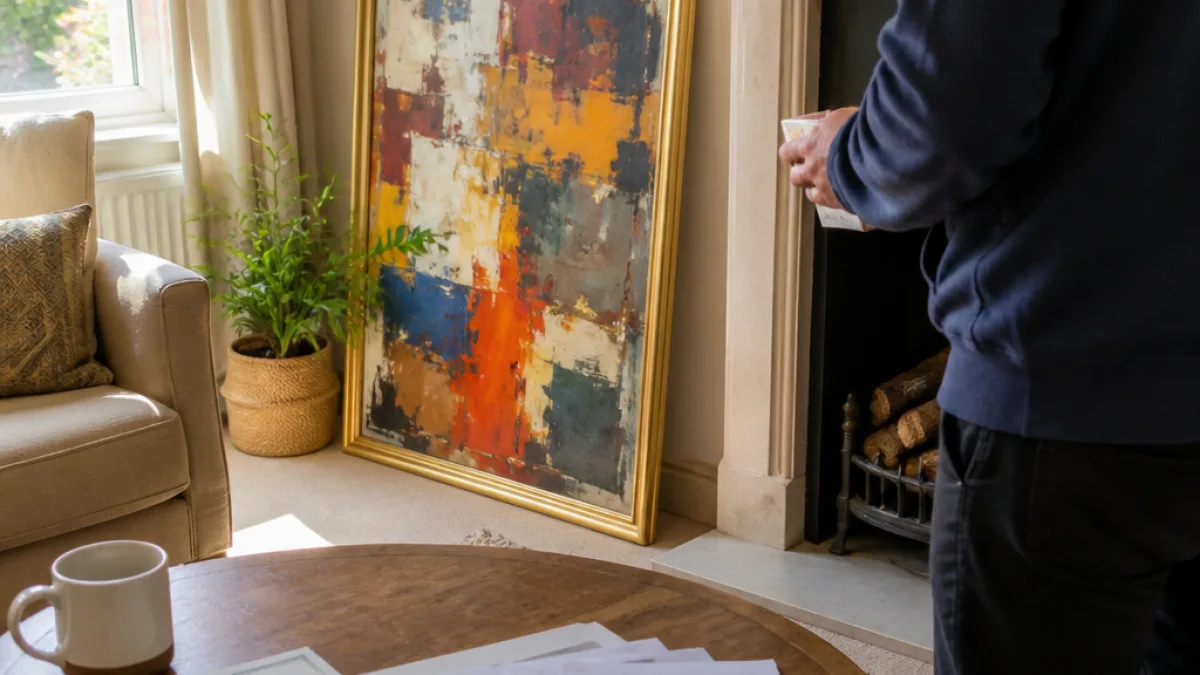
A Stockton-on-Tees man has said he will destroy a painting he bought for almost £11,000 after it failed to attract bids at auction and was revalued at a fraction of what he paid. The dispute highlights tensions over art as an emotional purchase and as a perceived financial asset.
How the sale fell apart
Chris Joseph, 58, bought the work titled The Imposter from the artist Lucy Pittaway in March 2023. Mr Joseph says he paid £10,750 and received a certificate of authenticity along with paperwork stating the same amount as a valuation.
When the painting was later offered at a Darlington auction house it failed to attract a single bid. Subsequent pre-sale estimates provided by different houses placed its likely value far below the sum Mr Joseph originally paid.
| Figure | Amount |
|---|---|
| Original purchase price (March 2023) | £10,750 |
| Auction house valuation (one) | £1,500–£2,500 |
| Auction house valuation (another) | £3,000–£4,000 |
Owner’s reaction and attempts to resolve
Mr Joseph, who says he purchased the 45-square-inch image because he liked it, said he believed the original would at least hold its value. He told reporters he had insured the work at the purchase price and feels out of pocket following the low valuations.
"I was expecting the painting to be worth more than I paid for it. The originals are marketed as assets that retain their value," Mr Joseph said.
He added that, despite contacting the gallery, he was told the business sells works but does not buy them back. Frustrated, he said he plans to burn or otherwise destroy the piece rather than keep it or sell it cheaply.
- Buyer: Chris Joseph, Stockton-on-Tees
- Artist: Lucy Pittaway
- Work: The Imposter (cat in a large hat), 45 sq in
- Purchase price: £10,750 (March 2023)
- Auction estimates: £1,500–£2,500 and £3,000–£4,000
Wider issues for local collectors
While collectors often buy art for pleasure, this episode underlines practical questions for anyone investing in works: whether a piece is being promoted principally as an investment, how valuations are arrived at, and how insurance and resale markets operate locally.
Insurance typically covers theft or damage up to an insured sum, but cover does not guarantee a resale at that level. Auction valuations reflect current market interest and comparable sales; tastes and demand can shift quickly, especially for living artists whose wider market performance has yet to be established.
Those in Stockton considering art purchases may wish to keep documentation, seek independent valuations and understand galleries’ policies on returns or buy-backs before committing significant sums. Contacting insurers to confirm how replacement or agreed-value policies operate can also help avoid unpleasant surprises.
Representatives for the artist have disputed any suggestion of misleading buyers. The gallery said it did not purchase back works, focusing on sales and exhibitions.
This matter raises no criminal allegation reported to police. Rather, it points to commercial disagreements that sometimes follow high-value purchases in the local market. It also offers a reminder that aesthetic value and monetary value do not always match.
Further developments — including any formal complaints to trading standards, insurer adjudication or offers from the artist’s representatives — will be followed and reported.