New figures show the long-standing disparity in life expectancy between northern and southern England has widened over the past decade, a trend with direct relevance for Warrington and the wider North West.
Uneven gains across the country
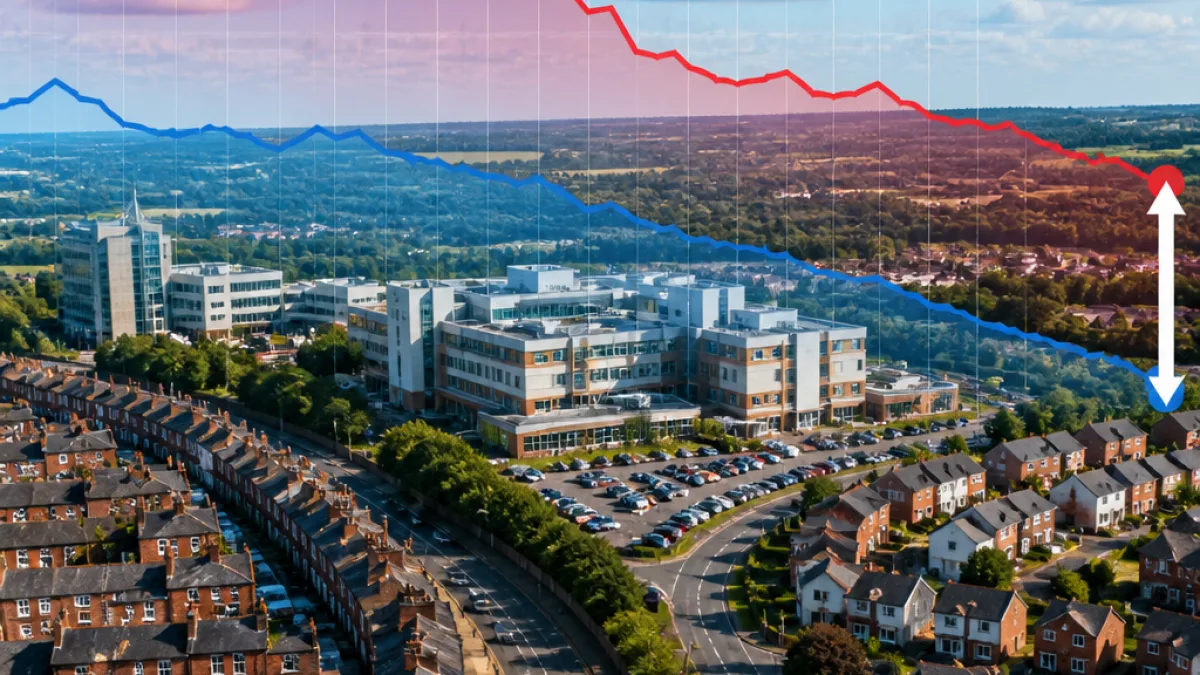
Research published this month found overall life expectancy reached its highest recorded level in 2025, but the improvements have not been shared evenly. The analysis highlights a gap of about three years between London and the North East — a marker of the broader disadvantage experienced across much of the North.
As a result, the charity behind the report warned that central Government targets to raise healthy life expectancy for everyone in England and to halve the gap between the richest and poorest regions are unlikely to be met without unusually large improvements in population health.
Healthy life years are falling
Alongside the divergence in overall life expectancy, the study points to a concerning fall in the years people can expect to live in good health. Over the decade to 2022–24, healthy life expectancy across England declined by about 2.5 years, a deterioration that will increase demand on health and social care locally.
For councils such as Warrington Borough Council and local NHS organisations, these patterns are significant. A stagnation or reversal in healthy years emphasises a need for sustained investment in prevention, early intervention and services that address the social determinants of health — including employment, housing and access to community support.
Political context
The findings arrive at a time of renewed focus on regional inequality. The report comes as the new Prime Minister, named in coverage of the research as Andy Burnham, opened a Government base in Manchester intended to shift some Whitehall presence northwards.
“And it’s true of places all over the country to get on in life, you had to leave where you were because things weren’t here,”
The report’s authors say that reversing long-term regional disparities would require population health improvements on a scale not seen in recent decades — an observation that underlines the limits of short-term or narrowly focused policies.
What this means locally
For Warrington residents and decision-makers, the study’s conclusions have several practical implications:
- Prevention and public health: greater emphasis on preventing chronic disease through lifestyle interventions and earlier detection.
- Social determinants: tackling poverty, unemployment and poor housing as part of health improvement strategies.
- Service planning: preparing health and social care services for higher demand from people living longer with ill health.
| Measure | Reported change |
|---|---|
| Gap between London and North East | ~3 years |
| Healthy life expectancy (England) | Down ~2.5 years over decade to 2022–24 |
The study does not attribute causes to a single factor but points to entrenched deprivation and regional disparities in economic opportunity and living conditions. Local public bodies will need to consider the findings when setting priorities for prevention, resource allocation and long-term planning.
For residents seeking more information, local public health teams and Warrington Borough Council can provide guidance on prevention programmes, screening services and community support aimed at improving wellbeing and reducing avoidable ill health.
These national trends underline a persistent policy challenge: raising the length of healthy life across the country while narrowing geographic inequalities will require sustained, co‑ordinated action across health, local government and other sectors.