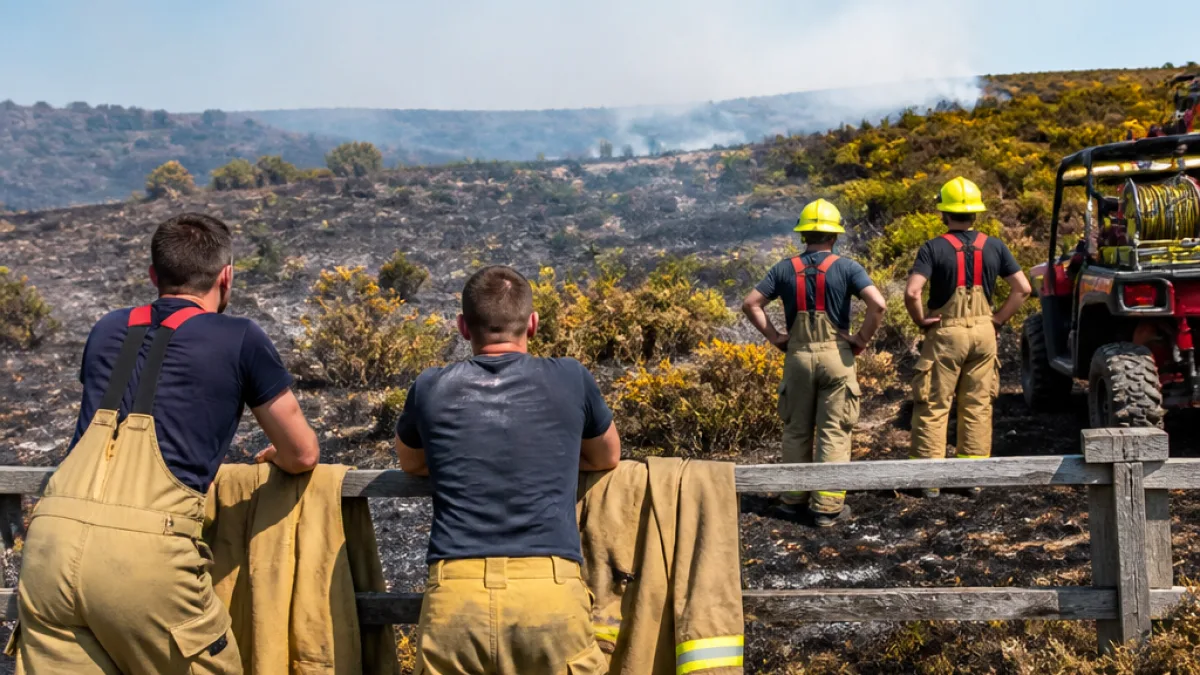
Union calls for urgent investment after intense Dunwich Heath blaze
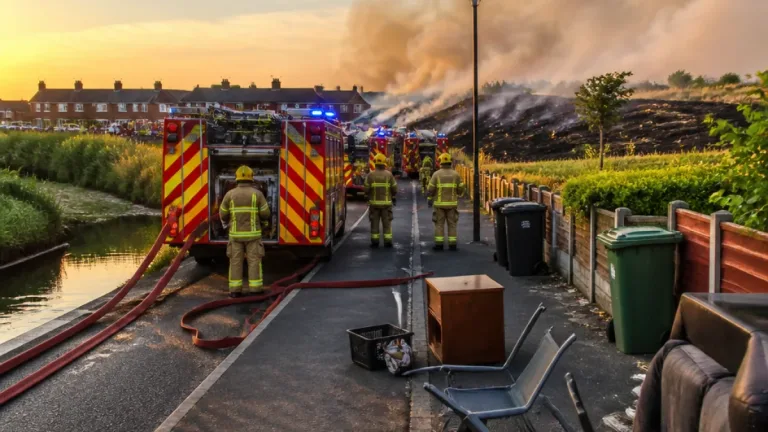
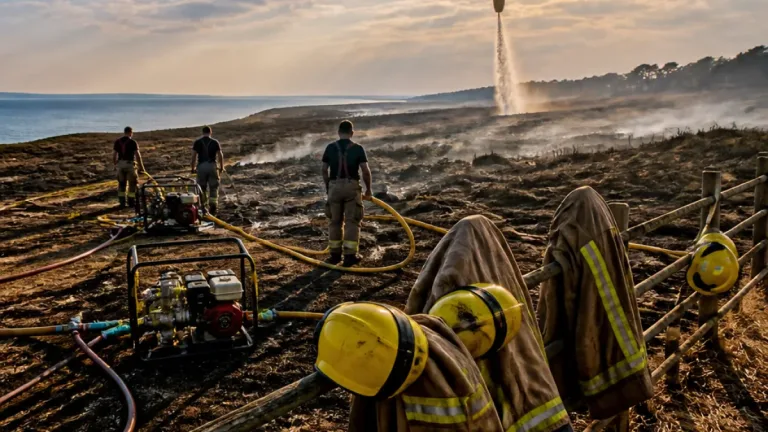
Suffolk firefighters who spent days tackling the recent wildfire at Dunwich Heath have been placed in a stark dilemma between keeping cool and remaining properly protected, the county’s Fire Brigades Union says.
Richard Beeby, brigade secretary of the Suffolk Fire Brigades Union, described the conditions in an open letter to the new prime minister, Andy Burnham, after spending three days at the scene. While acknowledging government support for the immediate response, Mr Beeby warned that the incident demonstrated gaps in capacity and kit that leave crews exposed as such blazes become more common.
"As a service, we do not have the correct PPE to fight these fires," Mr Beeby wrote, adding that firefighters were having to "forego our fire tunics, forced to choose between heat exhaustion or adequate personal protection."
The union highlighted several operational shortfalls encountered during the response:
- Insufficient specialist wildfire personal protective equipment (PPE).
- Lack of adequate off‑road firefighting vehicles for difficult terrain.
- Stretched crews and equipment due to rising frequency of heath and grass fires.
Mr Beeby said Suffolk currently operates three Unimogs — off‑road appliances capable of applying water while in motion — but stressed this is inadequate for large incidents. He noted the Dunwich Heath response required the deployment of 14 fire engines, underlining the scale of the operation.
Funding disparity highlighted
The letter also drew attention to a funding gap between Suffolk and the national average for fire service provision. According to figures included by the union, the county receives £23.62 per person per year, compared with a national figure of £30.80.
| Area | Annual fire service funding per person |
|---|---|
| Suffolk | £23.62 |
| National average | £30.80 |
The union is urging targeted investment in specialist wildfire kit and more off‑road firefighting vehicles so that crews are better equipped for heathland and rural incidents. Mr Beeby also described practical problems faced by firefighters on the ground, including blisters from walking long distances over uneven terrain in boots not intended for such conditions.
Despite the criticisms, the letter paid tribute to the professionalism of personnel involved in the response: firefighters, officers, control room staff and support workers were commended for their efforts under challenging circumstances.
Local impact and preparedness
The union’s warning comes amid a rise in heath and grass fires around the country. For Suffolk, with extensive coastal heaths and agricultural land, the message is clear: local emergency services say they need tailored resources and greater funding to meet an evolving risk profile.
For residents, the immediate practical takeaway is to follow local fire authority guidance during periods of hot, dry weather — avoid open flames, smoking in vulnerable areas and using machinery that can spark fires. Where possible, report sightings of smoke or fire promptly to the emergency services so incidents can be tackled early.
As Suffolk’s fire service and local authorities consider how to bolster resilience, the union’s appeal to the prime minister seeks national leadership and funding to prevent future responses being conducted under the constraints described at Dunwich Heath.