New museum lifts veil on Enfield country house used for wartime spying
The country house at Trent Park in Enfield has been transformed into a public museum that tells the story of intelligence work carried out there during the Second World War. The property, restored after a decade of fundraising and renovation, opens to the public on Tuesday and will present the role the house played in Britain’s conduct of the war.
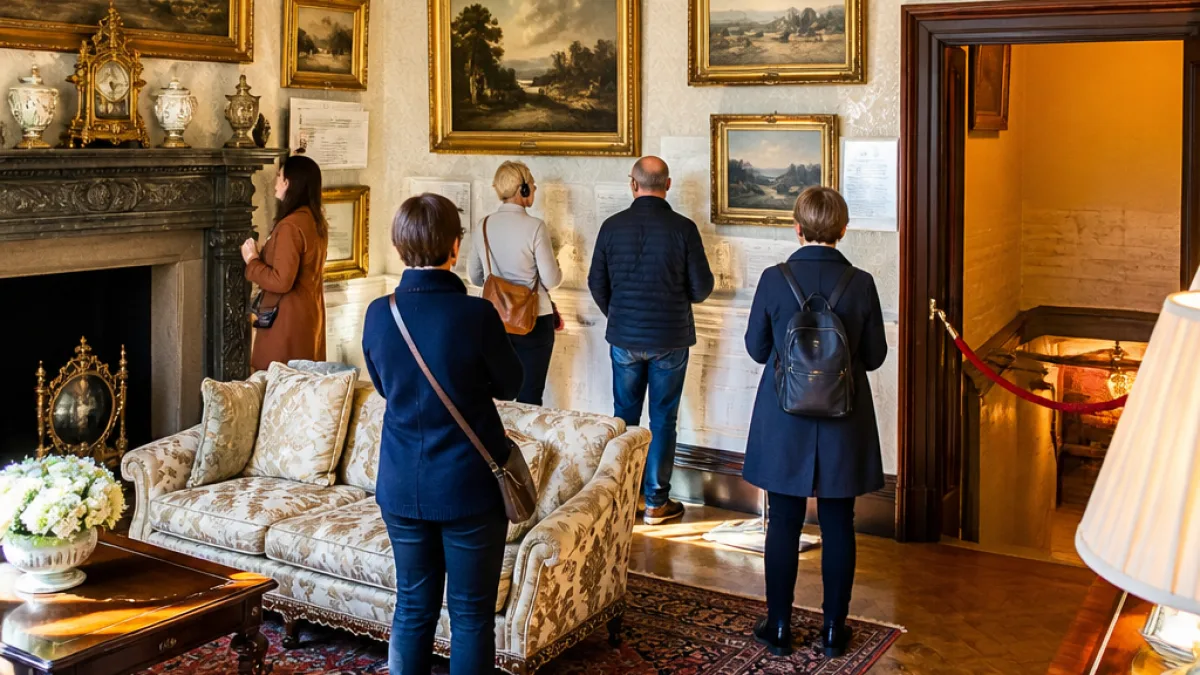
The trust behind the project says the site’s contribution to wartime intelligence is of particular importance. State rooms on the ground floor have been returned to their 1930s appearance, and artworks and furnishings that belonged to the last private owner, Sir Philip Sassoon, have been brought back to the house for the first time since they left in 1939.
"After a decade of fundraising and restoration works, we are thrilled that these extraordinary stories can finally be revealed," the trust said.
During the war, Trent Park accommodated captured senior German officers, including 59 generals. The prisoners were not aware that their conversations were being recorded. Miniature listening devices were concealed in the fabric of the house — in walls, light fittings and even garden furniture — while teams in hidden basement rooms monitored and recorded their discussions.
- Trent Park previously belonged to Sir Philip Sassoon, a politician and social host with connections in high society.
- During the war the house was requisitioned by the government for intelligence operations.
- The museum presents both the house’s social history and its classified wartime role.
Context and local impact
The story of Trent Park joins a small group of British sites whose wartime activities have become matters of public historical record. The trust has compared the site’s significance to other well-known intelligence centres, emphasising the unusual method of gathering evidence by exploiting the prisoners’ own words. For Enfield, the museum will add a new cultural destination and a different dimension to the borough’s heritage offer.
Restoration work has returned decorative features and returned items of furniture and art to the house for the first time since 1939, aiming to recreate the atmosphere of the state rooms as they would have been when Sassoon entertained guests including well-known figures from the arts and public life.
What the exhibits will show
The displays cover both the pre-war social life at Trent Park and the later intelligence operations. Visitors will be able to see the restored state rooms and learn about the technical and human elements involved in the listening operations, including the teams of listeners who worked in the concealed basement spaces. The trust has emphasised the role of language-skilled staff in producing the intelligence that was gathered there.
| Item | Detail |
|---|---|
| Location | Trent Park country house, Enfield |
| Opening to public | Tuesday (trust announcement) |
| Notable figure | Sir Philip Sassoon (owner until 1939) |
| Prisoners monitored | Included 59 German generals |
At present the trust has announced the opening and the nature of the exhibits; further practical details such as ticketing, visiting hours and specific event programming have not been supplied in the initial statement. Residents and visitors interested in the site should consult the Trent Park Museum Trust’s official channels for up-to-date visitor information.
The museum adds a layer to Enfield’s documented past: a country house that was both a social hub of the interwar years and a discreet centre of wartime intelligence. Its public opening will allow the borough’s communities to engage directly with that complex history.