A leading young composer from Cambridge, Asteryth Sloane, has died at the age of 26, prompting tributes from the Royal Northern College of Music and the Royal Philharmonic Society.
Early promise and national recognition
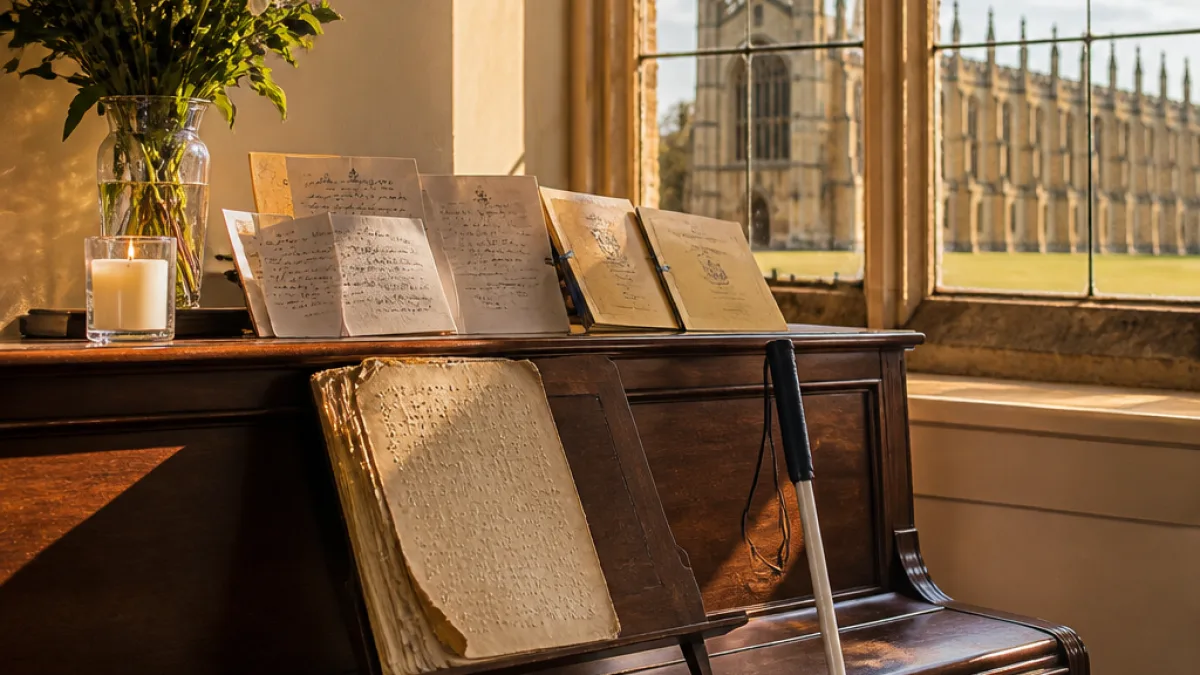
Sloane, who was blind from the age of two, was recognised locally as a prodigy. In 2016 they were named Cambridge Young Composer of the Year by Cambridge Youth Music for a five-minute piece, "Passiflora", which took hours to transcribe from Braille into conventional notation. Their compositions went on to attract national attention.
Education and achievements
They studied at the Royal Northern College of Music (RNCM), completing both a Bachelor of Music in composition with a First and a Master’s in composition and musicology with distinction. Sloane’s work earned commissions and performances by established ensembles and organisations.
“Their unique compositional methods and creativity led to a number of accolades, including winning the Cambridge Young Composer of the Year Competition in 2016…
Their music has been performed by groups such as VOCES8, Paraorchestra and the BBC Singers, and was commissioned by the Royal Philharmonic Society for a Classic FM celebration. Critics and colleagues noted recurring themes in their work, including a concern for the natural world and explorations of identity and spirituality.
- Blind from age two, converted music into Braille to pursue composition
- Won Cambridge Young Composer of the Year (2016) and BBC Proms Inspire senior category (2018)
- Educated at the Royal Northern College of Music (First and Distinction)
| Year | Recognition |
|---|---|
| 2016 | Cambridge Young Composer of the Year |
| 2018 | BBC Proms Inspire Young Composers' Competition (senior category) |
Sloane’s own website described them as a "therapist, composer, writer, book-nibbler, collector of words, lover of stories and wild spaces", reflecting a varied creative life beyond composition. The RNCM and other musical bodies have expressed sorrow at their passing and paid tribute to a composer whose work was already leaving a mark on contemporary music.
Further details about the circumstances of Sloane’s death have not been published by the institutions issuing statements.