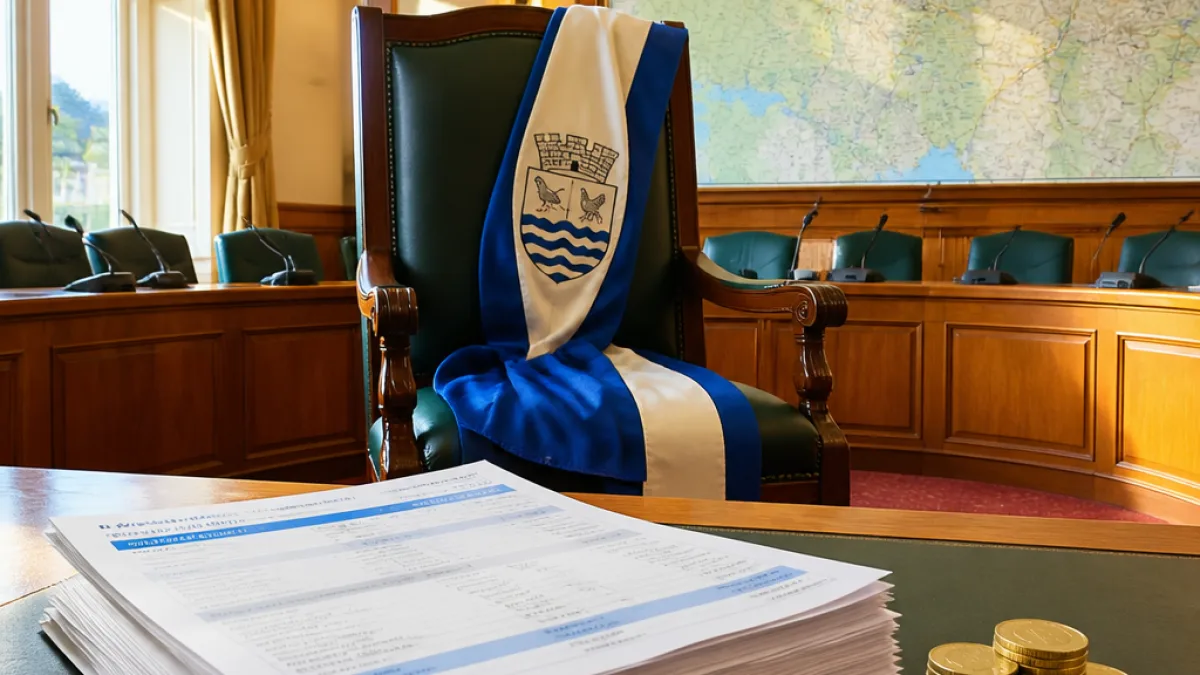
The government has moved to give greater financial powers to regional mayors, allowing them to retain a portion of certain taxes to spend locally. The change affects the Cambridgeshire and Peterborough Combined Authority, which has been designated an Established Mayoral Strategic Authority, a status said to strengthen its position for future devolution discussions.
What the announcement means locally
Under the plans announced on Friday, mayors will be permitted to keep a share of income tax and business rates collected in their areas. Ministers present the measure as a way to push decision-making out of Whitehall and give regions greater control over investment priorities. The change is framed as targeting growth and infrastructure rather than short-term tax relief for residents.
“What brought me into politics was a determination to make sure, wherever you live in this country, the postcode where you live, or where you were born, doesn’t actually determine what your life should be like.”
Those are the words used by Andy Burnham, who characterised the move as a major transfer of power from central government to regional leaders. He emphasised the policy is intended to drive investment in industry, housing and infrastructure rather than cut taxes for households.
Limits and focus of the new powers
The government has explicitly ruled out giving mayors discretion to issue direct tax rebates to their residents. The emphasis from ministers and regional leaders has been on using retained revenues to support a long-term growth and investment agenda, rather than short-term fiscal measures.
- Taxes affected: income tax and business rates
- Permitted use: investment in local priorities such as infrastructure, housing and industry
- Prohibited action: issuing direct taxpayer rebates
| Element | Detail |
|---|---|
| Status | Established Mayoral Strategic Authority |
| Taxes involved | Income tax, business rates |
| Allowed use | Investment and growth initiatives |
For Cambridgeshire and Peterborough, the designation is intended to put the combined authority in a stronger position to negotiate further devolution. Local leaders may now press for a greater “right to request” additional powers and funding. The precise mechanics of how the tax shares will be calculated and transferred were not detailed in the announcement, and further discussions between central and local government are likely.
Locally, the new arrangement will raise questions about priorities for any additional revenue and how decisions will be scrutinised to ensure public money is directed to projects that deliver broad benefits across the county.
Residents will want clarity on timelines and the practical effects for council services, development plans and local growth strategies. Officials at the combined authority will be expected to set out how retained funds would be allocated and how they will be accountable for those choices.