Rapid home-based care reduces pressure on A&E for Warrington residents
More than 62,000 people across Cheshire and Merseyside — a group that includes patients in Warrington — received urgent, short-term health and social care at home over the past year through Urgent Community Response (UCR) services. The scheme is intended to provide fast, multidisciplinary support to adults in crisis and avoid unnecessary journeys to emergency departments.
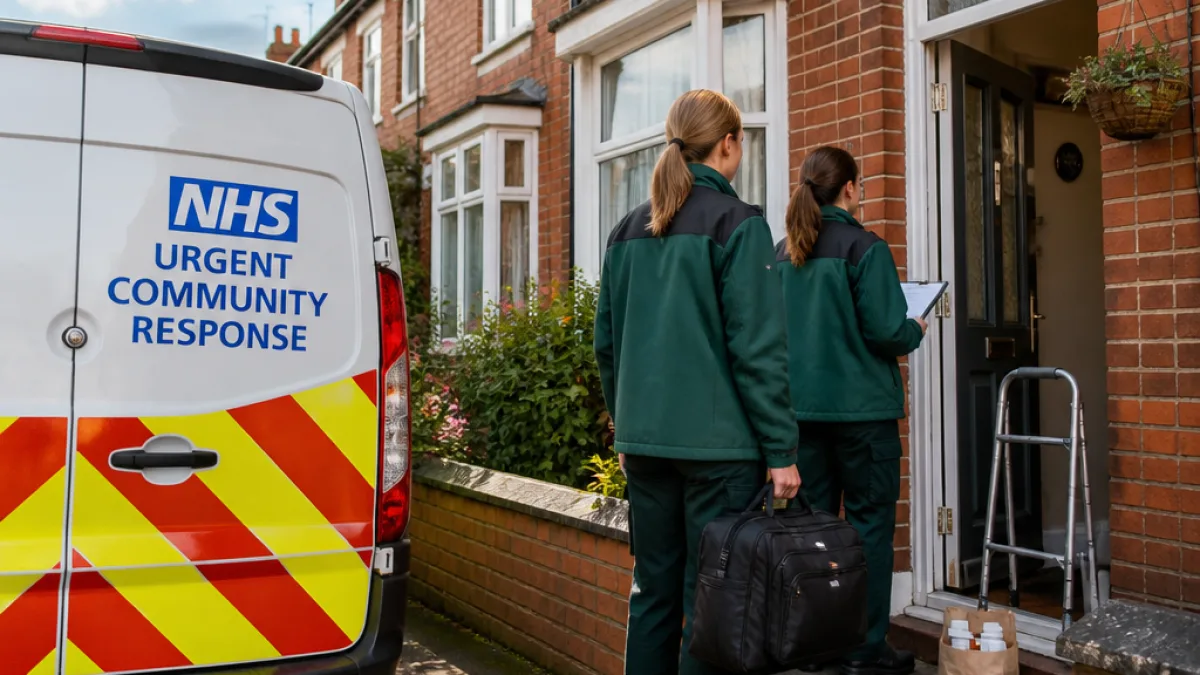
UCR teams bring together clinicians and care professionals to assess, diagnose and treat people in their own homes, often within tight timeframes. Services include the delivery of clinical interventions, prescribing, rehabilitation and short-term support designed to stabilise patients and reduce the need for inpatient care.
- Referrals to UCR come from ambulances, GPs, community teams, care homes and social care professionals.
- Teams aim to reach patients within two hours of referral where clinically appropriate.
- Interventions range from assessment and treatment to short-term rehabilitation to help people remain at home.
“Urgent Community Response services are a vital part of our commitment to provide more care closer to home,”
said Emma Danton, head of transformation for the Cheshire and Merseyside Provider Collaborative's Community Programme, highlighting the increase in referrals and the service’s performance against national standards.
Dr Fiona Lemmens, executive clinical director for NHS Cheshire and Merseyside, emphasised the value of the co-ordinated approach:
“UCR teams work every day to support people with urgent health and care needs, providing rapid assessment, clinical interventions and ongoing care that can often prevent the need for a hospital visit.”
What this means locally
For Warrington residents the expansion and strong performance of UCR services should translate into quicker support when sudden health or social care issues arise. Patients who might otherwise be taken to A&E can receive treatment at home, which can be safer and less disruptive — particularly for older people or those with long-term conditions.
The emphasis on care closer to home also affects local health and social care partners. Ambulance services, GPs and community teams remain critical referral routes, and the growing role of UCR may relieve some pressure on hospital emergency departments while requiring continued coordination and capacity across community services.
| Metric | Detail |
|---|---|
| People supported | 62,000+ across Cheshire and Merseyside |
| Typical response aim | Within two hours of referral |
| Care delivered | Assessment, treatment, prescribing, rehabilitation, short-term support |
Local residents and carers should continue to use established referral routes — including contacting their GP, calling 999 when appropriate, or seeking assistance from community health or social care teams. The UCR model does not replace hospital care when it is necessary, but it provides an alternative pathway intended to keep people safe and supported at home whenever clinically appropriate.
As services evolve, health leaders say the aim is to maintain strong links between community teams and acute services to ensure people receive the right care in the right place and to preserve hospital capacity for those who need it most.