The Government has approved the creation of two unitary councils to take responsibility for all local government services across Leicester, Leicestershire and Rutland from April 2028.
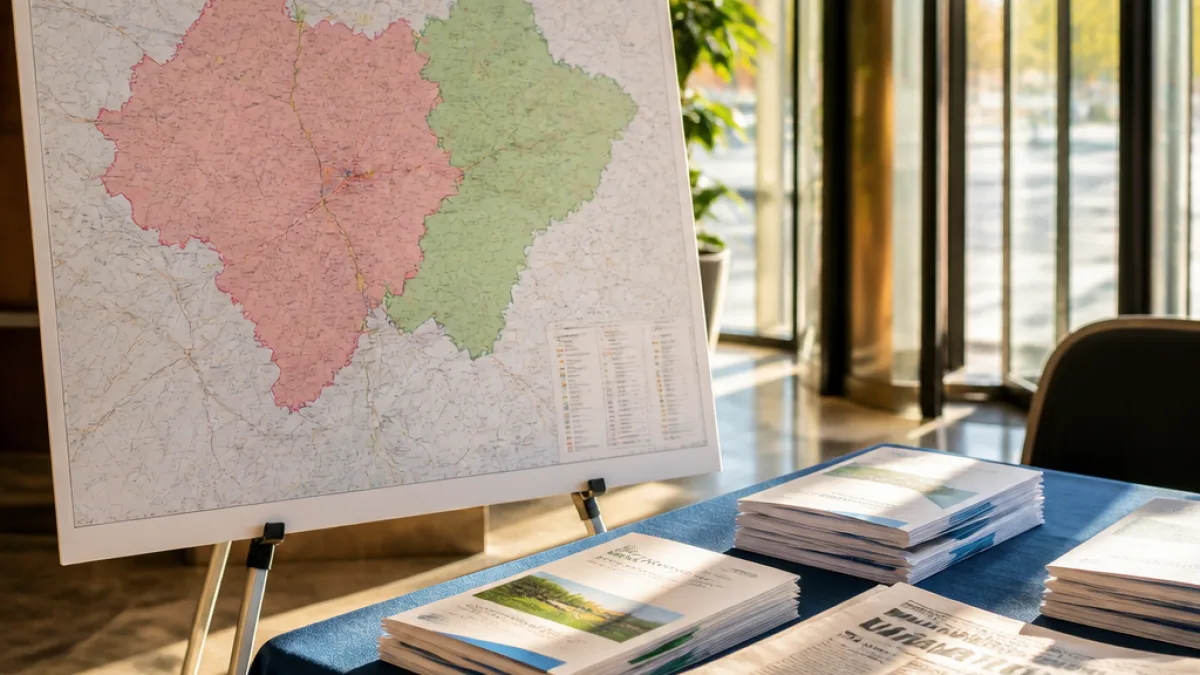
New map of local government
Under the decision, one unitary authority will consist of Leicester, Oadby and Wigston plus parts of Blaby, Charnwood and Harborough. The second will cover the remaining areas of Leicestershire and Rutland. The announcement means the current two‑tier structure led by Leicestershire County Council will be abolished and its functions redistributed across the two new single‑tier councils.
Cllr Jewel Miah, Leader of Charnwood Borough Council, issued a statement welcoming the certainty the decision provides while warning of the complexities ahead. He said the Government had not accepted the district and borough councils’ preferred three‑unitary option and instead adopted the city’s proposal to expand Leicester.
“With the decision made, it will take time to fully understand the implications, and I will work with other Leaders in Leicestershire and the City on moving forward with the re‑organisation,” Cllr Jewel Miah said.
Practical implications and the case for Loughborough
Charnwood’s leader argued that with the county council ceasing to exist and County Hall falling within the new city boundary, the demographic and administrative centre of the remaining county area is now Loughborough. He suggested this makes the town the natural location for the administrative base of the new outer unitary authority.
- Effective date: April 2028
- Two unitary councils: an expanded City of Leicester authority; and a single outer authority for the rest of Leicestershire and Rutland
- Immediate impact: continued delivery of services by existing councils while transition arrangements are developed
The statement from Charnwood stressed councillors will continue to provide services to residents “to the high standards” expected while the reorganisation is implemented. It also signalled a commitment by Charnwood’s leadership to engage with other local leaders and the city to manage the transition.
What residents can expect next
The next period will be taken up with practical planning: defining electoral arrangements, staffing structures, budgets, and decisions on the location of administrative headquarters. Existing councils retain statutory duties to operate services until the new authorities are formally established, meaning day‑to‑day activity should be unaffected in the short term.
| Element | Current status | From April 2028 |
|---|---|---|
| Number of councils for area | Multiple district/borough + county | Two unitary authorities |
| County Hall | Base of Leicestershire County Council | Located within expanded City of Leicester boundary |
Residents and stakeholder groups are likely to seek clarity over representation, service standards and council tax implications as transition plans are developed. Councils will be expected to publish more detailed proposals and timetables in the coming months as the legal and administrative process progresses.
InfoRadar will continue to follow developments and report on decisions about governance arrangements, administrative locations and how the change will affect local services and taxes.