Seema Malhotra, the MP for Feltham and Heston, has set out what the government’s latest package of children’s social care reforms will mean for families and young people in Hounslow. The announcement, made last week, signals a sizeable shake-up in how care is organised and purchased for looked-after children.
What the reforms do
Under the changes, the government is expanding its model of Regional Care Cooperatives (RCCs) into five additional areas and creating four new Fostering Hubs. The reforms aim to bring local authorities together with care providers, police, health services and other partners to plan placements and services across wider areas, with the stated goals of improving quality and reducing reliance on private providers whose profits have been criticised.
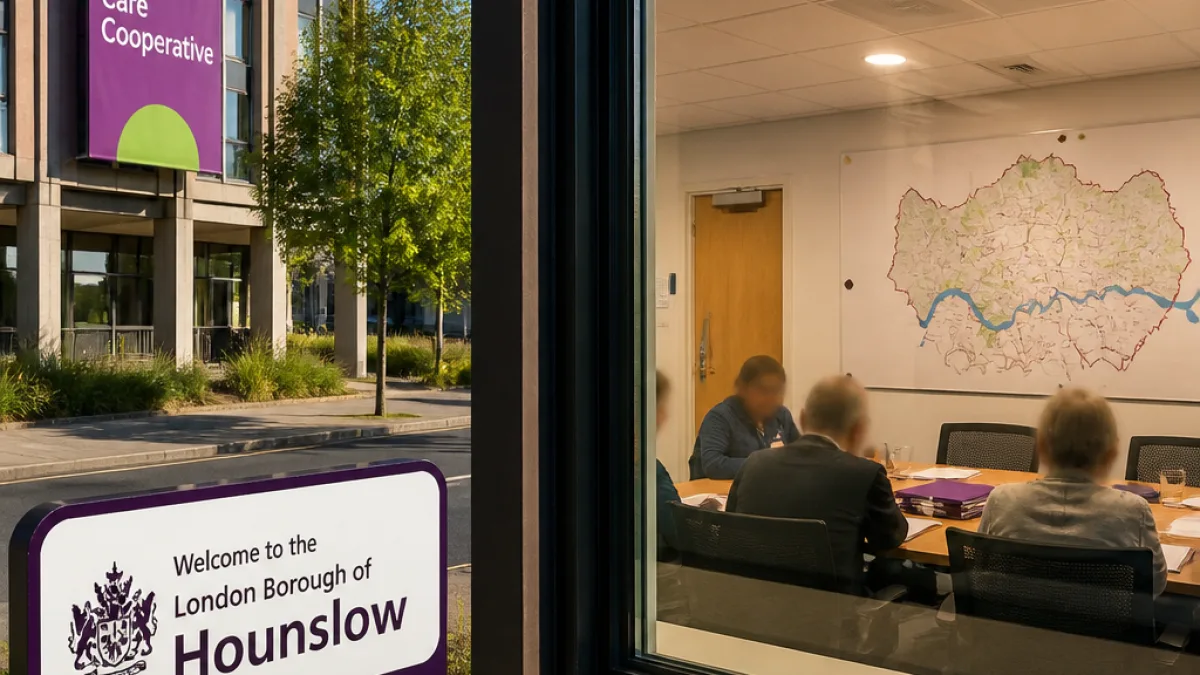
For Hounslow, the most immediate practical development is the introduction of a London Regional Care Cooperative, which will enable the London Borough of Hounslow to coordinate more closely with other boroughs and with local policing and health services when arranging care for children.
Why this matters locally
Supporters say RCCs should help ensure children are placed nearer to their communities and receive appropriate support rather than being moved into distant or unsuitable placements. Malhotra emphasises that the reforms are intended to give councils ‘‘real control over the care market’’ and to tackle what she describes as pockets of excessive profit-making in the sector.
- Regional bodies will plan and procure placements across multiple local authorities.
- A simpler, unified rulebook for fostering will replace the current patchwork of guidance.
- The aim is to eliminate poor-quality and unregistered placements and encourage long-term, relationship-centred care.
The reforms are framed as tackling two linked problems: a market that has sometimes prioritised profit over children’s needs, and a fragmented system of guidance for foster carers and providers. By pooling commissioning power, RCCs are intended to build new children’s homes and support fostering closer to children’s families and schools.
Scale and targets
According to the government’s outline, the expansion will mean that over two thirds of England will be covered by RCCs by the end of this year. In total, seven RCCs will operate across more than 100 local authorities.
| Measure | Details |
|---|---|
| New RCC regions | 5 additional regions to receive RCCs |
| Fostering hubs | 4 new hubs created |
| Total RCCs | 7 RCCs covering >100 local authorities |
Locally, council officers, social workers and partner agencies will need to work through how the London RCC’s plans translate into placements and services on the ground. Practical questions include placements for teenagers with complex needs, support for families at risk of breakdown and how to recruit and retain high-quality foster carers in the borough.
What families should know
At this stage, the announcement sets out direction rather than detailed local operating arrangements. Families and foster carers in Hounslow can expect the council and partner agencies to consult about how the RCC will operate locally, how placements will be commissioned and what new services or homes might be developed.
The stated policy aims — placing children closer to home, raising quality and limiting profiteering — will be judged in Hounslow by whether children experience more stable, supportive placements and whether foster carers receive clearer guidance and support under the new single fostering rulebook.
As the reforms are rolled out, InfoRadar will follow local planning and council briefings to report how the changes affect children, foster carers and families in Hounslow.