New scheme proposes higher basic pay and clearer bands for senior roles
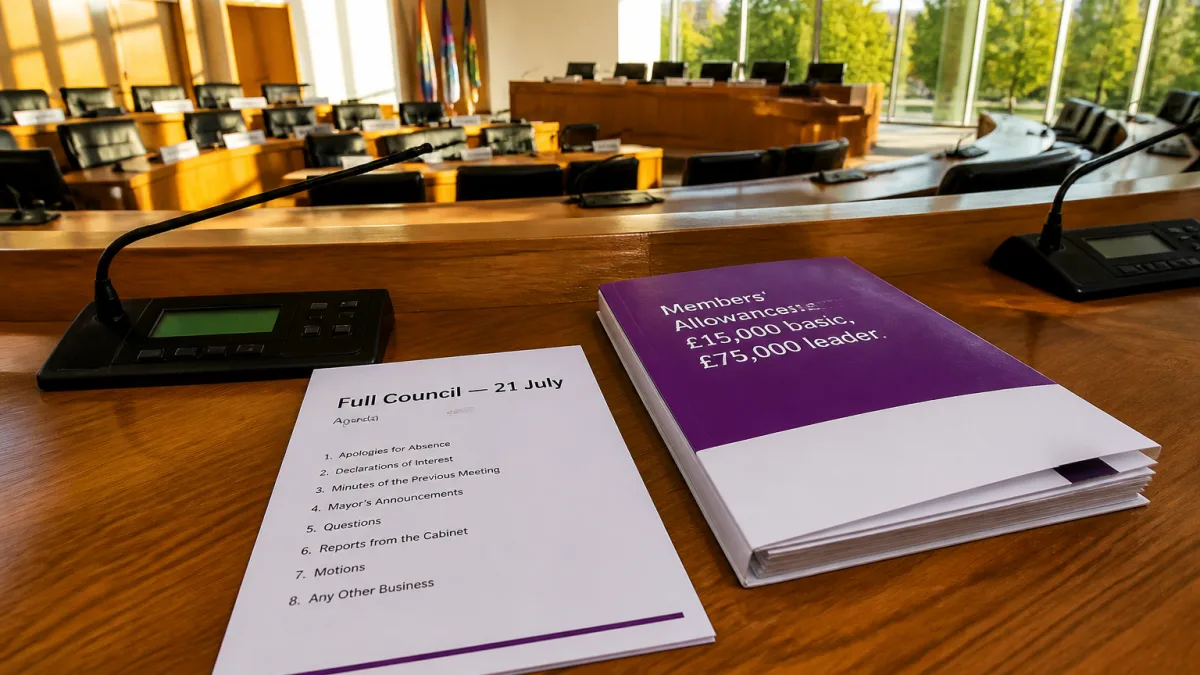
Hounslow councillors are poised to receive a pay uplift and a complete reset of how extra duties are rewarded, under plans due to be presented at the next full council meeting on Tuesday 21 July. The proposal, led by newly appointed Cabinet Member for Finance and Resources Cllr Max Mosley, would raise the basic allowance for all councillors from £13,500 to £15,000, while replacing a patchwork of Special Responsibility Allowances with a standardised framework.
Explaining the rationale for change, Cllr Mosley said the current approach has grown inconsistent and hard to understand for residents and members alike. He told The Chiswick Calendar:
“The Special Responsibility allowance for councillors is not set by an independent body. It is left to individual councils to decide. Our system is outdated and not very transparent and it needed a refresh… what it needed was standardisation, with a clear, transparent methodology.”
Under the draft scheme, the most substantial adjustment would be for the Council Leader, Cllr Shantanu Rajawat, reflecting his full‑time commitment. His total allowance would be set at £75,000, an increase of £15,804. The Deputy Leader would see an uplift of £10,454, and Cabinet Members responsible for portfolios would receive an additional £8,670 compared with the previous arrangements.
Opposition leaders’ pay linked to group size
The refresh also tackles how opposition leaders are remunerated. Rather than fixed sums, payments would be tied to the proportion of seats held by each party, aligning accountability with electoral strength. On those terms, the Conservative Group Leader, Cllr Jack Emsley—leading the largest opposition group—would receive an extra £4,000 in recognition of his party representing 27% of councillors, resulting in a total increase of £5,411. The Leader of Reform, Cllr Tony Brown, is described as the biggest winner among minority party leaders under the new formula, though precise figures were not set out in the material seen.
For backbench members, the headline change is the £1,500 rise in the basic allowance. Town hall insiders argue that a modest increase helps offset inflationary pressures and supports the time, travel and casework demands placed on ward councillors. Supporters of the reform say clearer bands for committee chairs and other posts will help demystify why some roles receive more than others.
How the proposed increases compare
The new structure distinguishes between the core allowance for all councillors and stepped additional payments for those who hold senior duties. Key indicative changes include:
| Role | Proposed change |
|---|---|
| Basic councillor allowance | From £13,500 to £15,000 |
| Council Leader | Total set at £75,000 (increase of £15,804) |
| Deputy Leader | Increase of £10,454 |
| Cabinet Member | Increase of £8,670 |
| Conservative Group Leader | Additional £4,000; total increase £5,411 |
While the full schedule for committee chairs and other specific posts has yet to be debated in public, the principle is to eliminate anomalies—such as one scrutiny chair being paid markedly more than another without a clear rationale—and to publish a transparent scale that residents can track.
Context, costs and what happens next
Allowances for councillors are paid to recognise time spent on casework, meetings and community representation. Unlike MPs’ salaries, councillor allowances are set locally; councils may seek advice but ultimately make their own decisions. Hounslow’s overhaul is framed as a modernisation rather than a wholesale expansion of cost, though the precise budget impact will depend on the final scheme adopted.
Residents often ask what they get for their money. The administration argues that clearer pay bands should make it easier to hold office holders to account for the responsibilities they take on, from cabinet policy work to committee scrutiny. For the opposition, pegging allowances to group size turns the spotlight back on electoral performance and workload.
The proposals will go before councillors on 21 July. If approved, the new rates would replace the current arrangements and be reflected in published allowances. The council is expected to release a full schedule following the vote.
What this means for residents
- Transparency: a single, published framework is intended to clarify who is paid what and why.
- Basic allowance: every councillor would receive £15,000, acknowledging time spent on ward duties.
- Leadership roles: larger uplifts are targeted at positions with greater day‑to‑day responsibility, notably the Leader and cabinet.
The debate over allowances is never only about pounds and pence; it is about expectations of public service, workloads that have grown more complex, and the need for clear rules residents can scrutinise. Next week’s decision will set the tone for how Hounslow rewards civic responsibility for the term ahead.