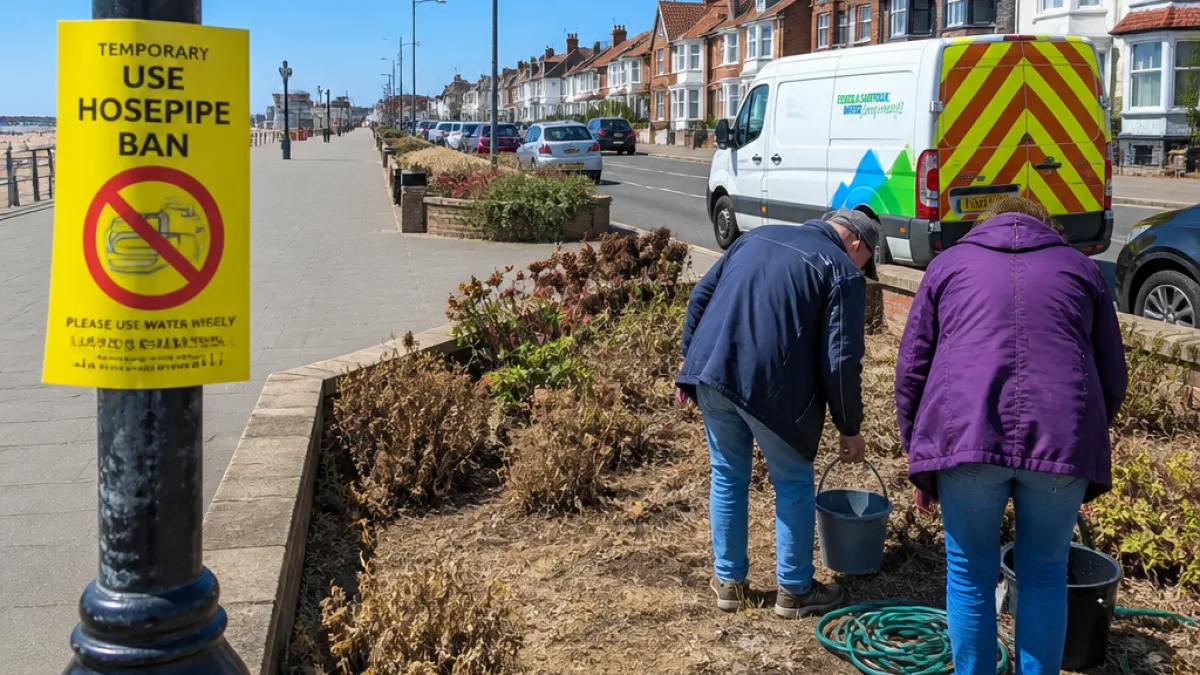
Households and businesses served by Essex & Suffolk Water in the Great Yarmouth area face a temporary ban on using hosepipes from 00:00 on Monday 3 August, the company has confirmed. The restriction is being introduced as the Environment Agency has formally declared a drought across Norfolk following weeks of extreme heat and very low groundwater and river levels.
Where the ban applies and why it was introduced
The measures cover the east Norfolk coastline supplied by the company, including the urban centres and a number of villages. The move is the first time Great Yarmouth has been subject to such a ban since 1997. The firm supplies fresh water to locations such as Great Yarmouth, Gorleston, Hemsby, Ormesby and Caister, which will be affected.
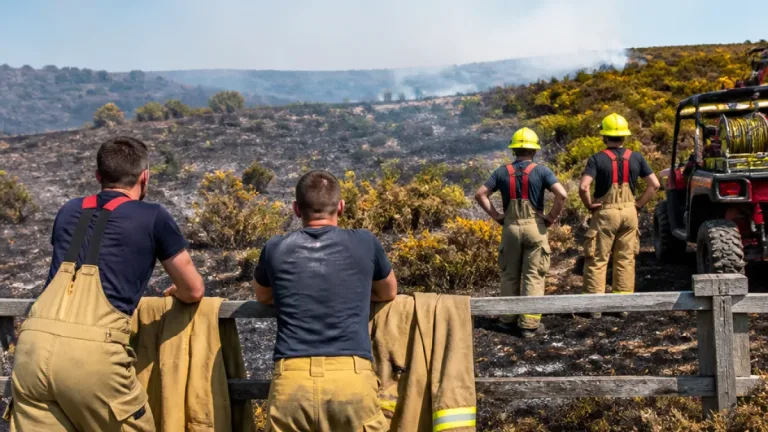
Water company bosses say the decision follows sustained pressure on water resources after consecutive heatwaves, which have left soils dry, reduced river flows and diminished groundwater reserves. This has come alongside an increased risk of uncontrolled fires across the county.
What residents must not do under the ban
From the start date, customers in the affected area must not use hosepipes for:
- watering private gardens or public green spaces
- cleaning cars, vehicles or boats with a hosepipe
- filling or topping up domestic swimming pools or paddling pools with a hose
- washing down hard surfaces such as patios, drives and paths
These restrictions are aimed at reducing non-essential water usage so that supplies can be prioritised for drinking, hygiene and firefighting needs.
How this fits with other local restrictions
The new ban from Essex & Suffolk Water comes after Anglian Water introduced a hosepipe ban across much of Norfolk a month earlier. The two measures together mean that most of the county is now under restrictions designed to conserve dwindling supplies while the drought declaration remains in force.
| Start date | Area | Supplier |
|---|---|---|
| 3 August (00:00) | Great Yarmouth, Gorleston, Hemsby, Ormesby, Caister | Essex & Suffolk Water |
Practical points for residents and businesses
Householders should check whether their property falls within the company’s affected supply zone and adapt how they use water accordingly. Businesses that rely on external water use — such as car washes, garden centres and sports clubs — will need to alter operations or seek clarification from the supplier about exemptions and enforcement.
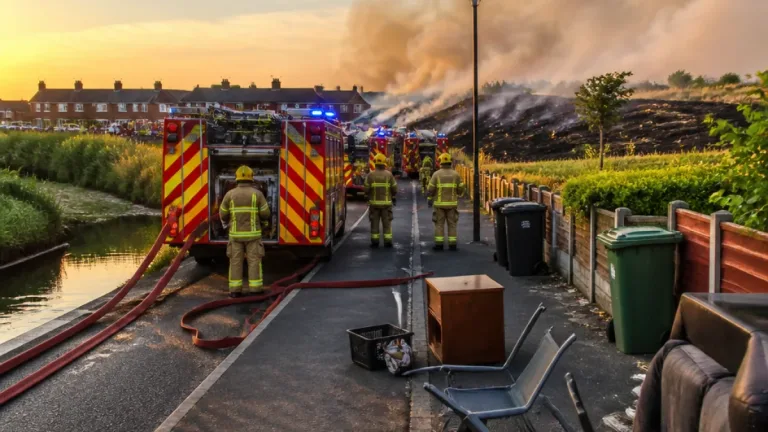
Fire crews in Norfolk have recently been heavily engaged tackling open-area blazes. Reduced water availability can complicate firefighting, which is one reason why the water companies and the Environment Agency are urging the public to limit non-essential usage.
For further detail on the ban’s scope, permitted uses and any exemptions, customers should consult the official information provided by Essex & Suffolk Water.