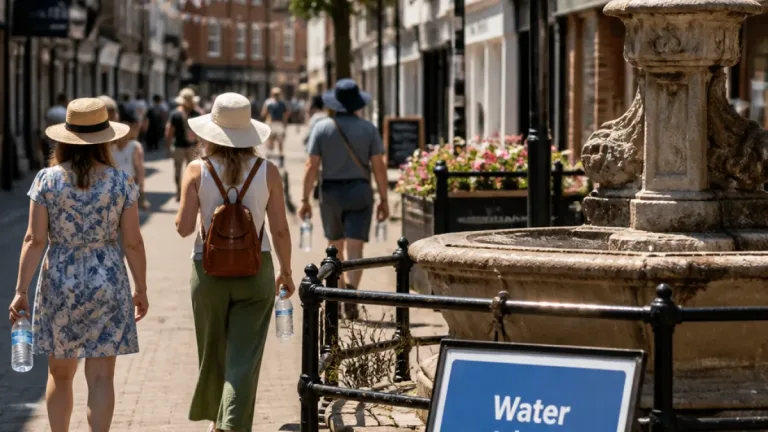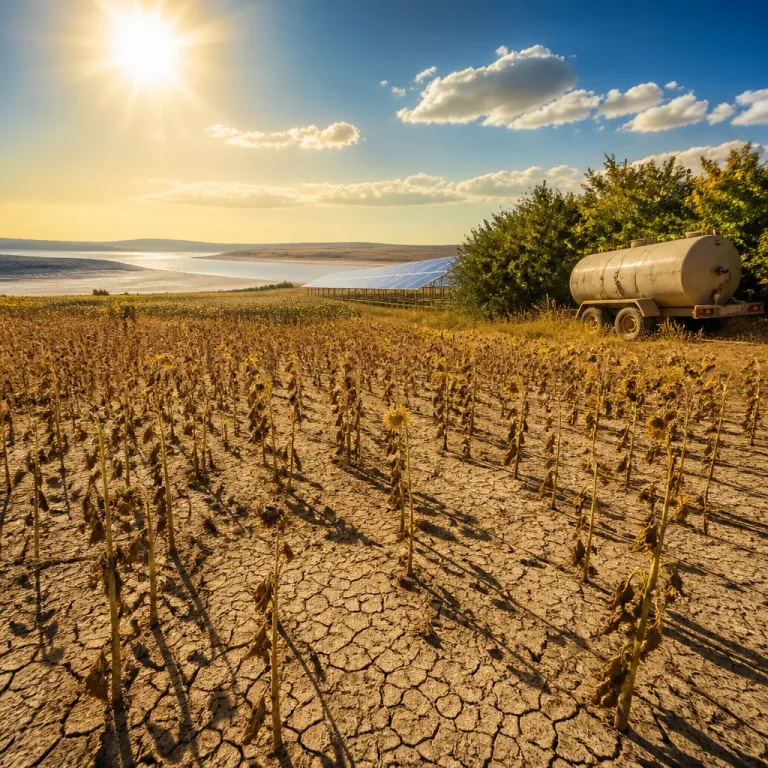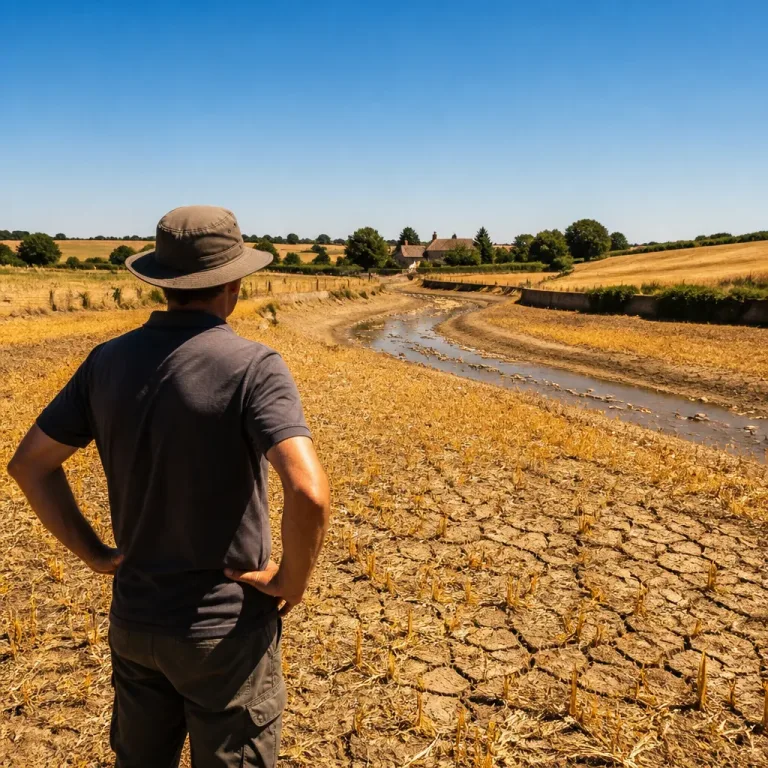
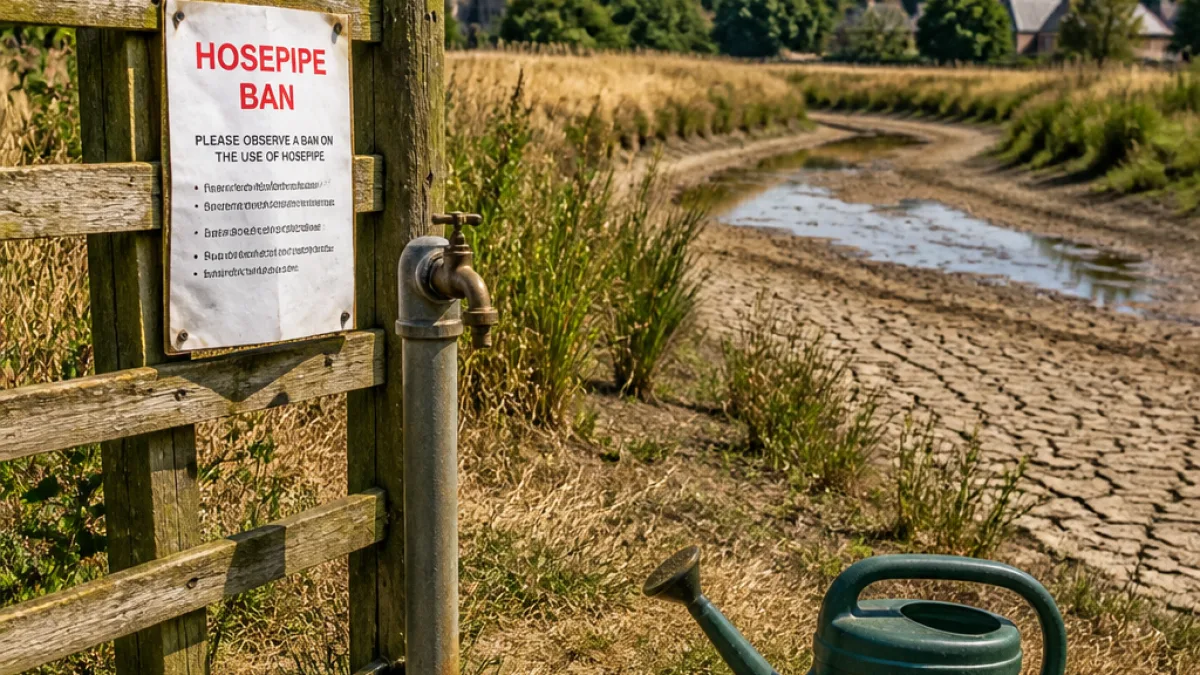
The Environment Agency has formally declared Norfolk to be in drought following weeks of exceptionally low rainfall and several heatwaves this summer. The agency said the county is suffering from a "flash drought" – a rapid onset water shortfall driven by high temperatures and a lack of replenishing rain.
What the declaration means
The declaration covers a stretch of central, eastern and southern England and recognises that water is being used faster than nature can replace it. Officials warned the situation is particularly serious because it follows a very wet winter, meaning the shortfall has developed rapidly rather than gradually.
"The hot and dry weather means we are currently using water faster than nature can replenish it," said Helen Wakeham, director of water at the Environment Agency and chair of the National Drought Group.
Ministers and agency leaders stressed that this is not just about immediate household inconvenience. They warned of potential long-term harm to wildlife, ecosystems and the local economy if supplies are not conserved and water companies accelerate leak repairs and other measures.
Current restrictions and the local picture
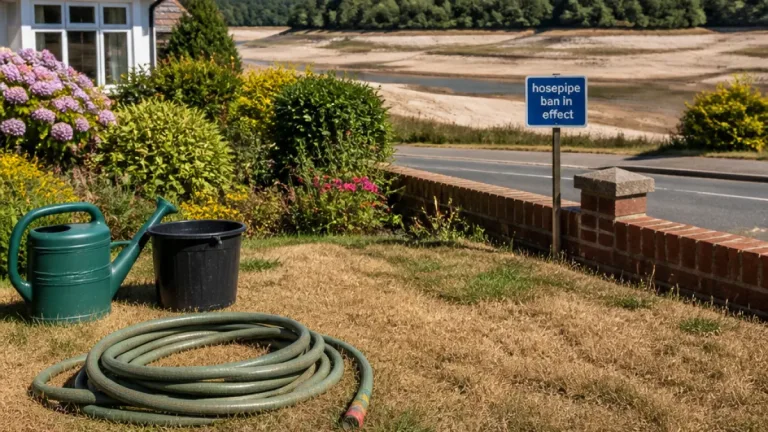
Households across Norfolk are already subject to an Anglian Water hosepipe ban that came into force on 11 July. Under the ban, people are not permitted to use hosepipes to water gardens, clean vehicles or fill paddling pools.
- Rainfall: England has received just 7% of expected rainfall in July, with southern England at around 1%.
- Heat: Norfolk is experiencing what officials described as its fourth heatwave of the summer, with temperatures repeatedly reaching into the 30s Celsius in parts of the county.
- Restrictions: Anglian Water hosepipe ban in force across Norfolk since 11 July.
The Environment Agency’s chair of the National Drought Group said every household saving water matters, both to protect the environment and to maintain supplies for essential use. The government’s water minister highlighted that climate change is increasing the frequency of droughts and that long-term investment is being prioritised, including new reservoirs and pressure on water companies to reduce leaks.
Practical steps for residents
Officials are asking households, businesses and farmers to step up water-saving measures immediately. Simple actions can help preserve supplies during the drought and include:
- Following the hosepipe ban and avoiding non-essential outdoor water use;
- Fixing leaks promptly and reporting significant leaks to water companies;
- Reducing indoor water use by shorter showers and avoiding unnecessary washing cycles.
| Indicator | Value / Date |
|---|---|
| England July rainfall (as % of expected) | 7% |
| Southern England July rainfall | 1% |
| Hosepipe ban (Anglian Water) | From 11 July |
| Number of heatwaves in Norfolk this summer | Four |
Local authorities, environmental groups and the water industry will be expected to follow drought plans and coordinate responses. Residents should follow updates from Anglian Water and the Environment Agency for any changes to restrictions or advice.
The drought declaration marks a shift from highest-alert contingency planning to more co‑ordinated action across agencies and communities in Norfolk as they adapt to increasingly frequent extremes of weather.