FIFA President Gianni Infantino has characterised a controversial proposal to allow private investors into the World Cup’s commercial operation as a consultation starter rather than a binding move, after several regional governing bodies said they had been taken by surprise.
What FIFA has proposed
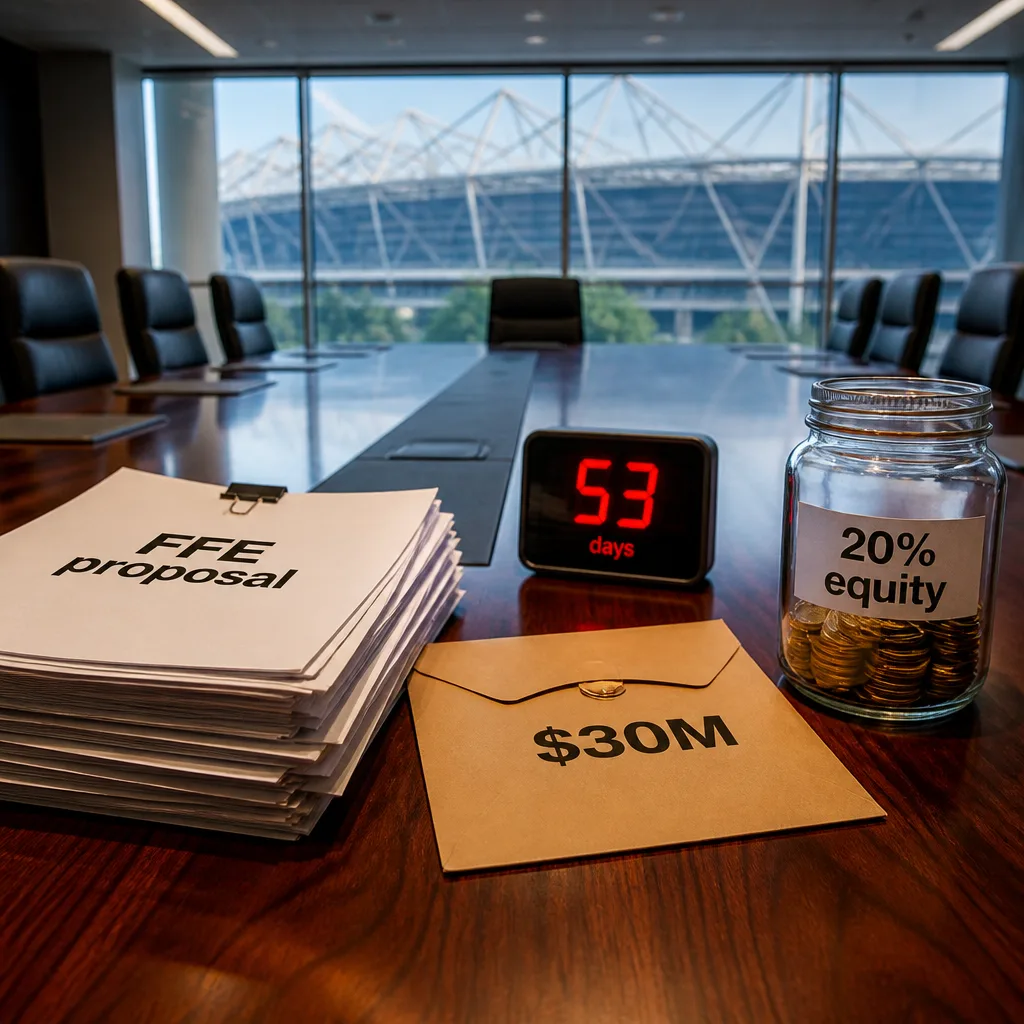
On Tuesday FIFA announced plans to establish a separate commercial vehicle — named FIFA Forward Enterprises (FFE) — to oversee the World Cup and other major tournaments. The organisation said the entity would be capitalised at $20 billion and could see up to 20% of its equity offered to external investors.
| Item | Figure |
|---|---|
| Target capitalisation of new company | $20 billion |
| Maximum equity to outside investors | 20% |
| Potential immediate fundraising cited | up to $4.2 billion |
| Payment at stake for associations rejecting the plan | $30 million |
| Decision window given to member associations | 53 days |
Infantino’s defence and reassurances
In a video released by FIFA, Infantino said the initiative is part of a "democratic" consultation and emphasised it is an option rather than a mandate. He stressed that fans will remain central to the sport and that FIFA will continue to govern football free from outside interference.
“It’s part of a democratic process – a consultation process – and, above all, it is an opportunity but not an obligation,”
He repeated that marquee tournaments such as the men’s and women’s World Cups would continue to be organised by FIFA and remain under its control.
Immediate reaction from confederations
Several of FIFA’s regional confederations responded angrily to the announcement. The plan drew particular criticism after details emerged in public media before broad internal consultation. The stance from those bodies highlighted concerns about governance, transparency and the long-term stewardship of the sport.
- Regional unease: confederations said they were sidelined by the timing and manner of the disclosure.
- Commercial rationale: FIFA argues the move would capture growing global commercial value and generate fresh funds for development programmes.
- Leverage on members: associations were reminded they might forfeit a $30m payment if they do not back the proposal within 53 days.
Why this matters to UK readers
The proposal touches on the governance and commercial model of football at the global level. The competition generates the bulk of FIFA’s income through broadcasting and sponsorship deals; any change to how the rights and revenues are packaged could affect future broadcasting arrangements, sponsorship landscapes and the funding available for developing the game worldwide — including programmes with links to UK clubs and governing bodies.
As FIFA seeks ways to monetise the sport’s growing value, the debate between securing private capital and protecting football’s public and sporting interests will shape how major tournaments are delivered and funded. For British supporters and institutions involved in the sport, the unfolding consultation will be a point to watch: the decision will influence commercial partners, media markets and the distribution of development funds that underpin the wider football ecosystem.
FIFA describes the initiative as a consultation. Whether member associations, confederations and stakeholders accept that framing will determine the pace and form of any change to the game’s commercial architecture.