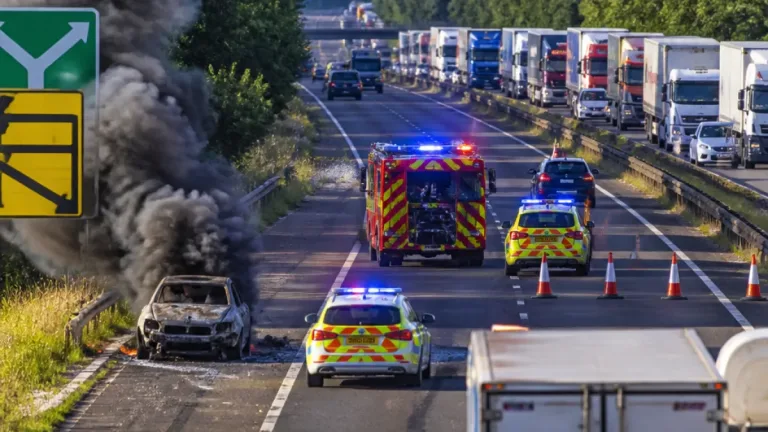
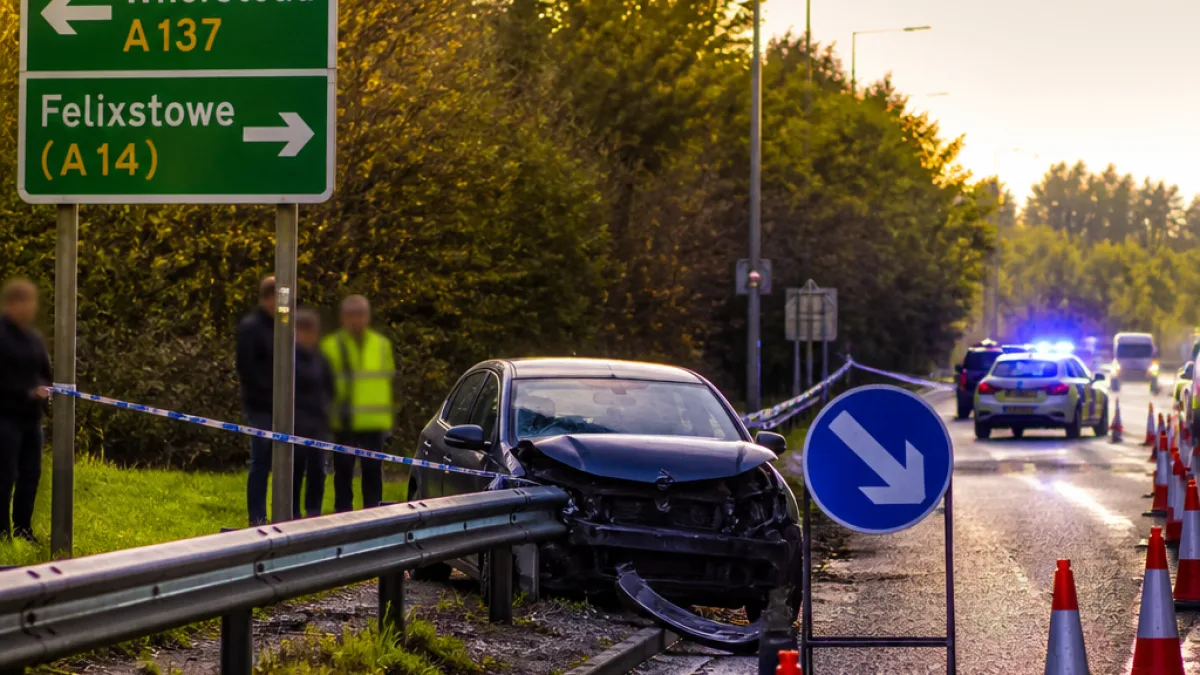
A new road safety report presented to Suffolk Constabulary’s Accountability and Performance Panel reveals a worrying shift: while the number of fatal crashes has fallen slightly, the county has seen an increase in collisions that leave people with life-changing injuries.
Fewer deaths, more serious injuries
The figures show fatal collisions in the 12 months to April 2026 dropped from 16 to 14 compared with the previous year. However, the total number of collisions resulting in death or serious injury rose from 328 to 341, indicating a rise in serious-but-non-fatal crashes.
A-roads and collision hotspots
The report highlights that Suffolk’s A-roads are disproportionately dangerous. Although they make up just 10.7% of the county’s road network, they accounted for 36.4% of serious collisions. Specific stretches ranked as the county’s worst for frequency and severity include:
- A12 – Pier Terrace / Belvedere Road, Lowestoft
- A1022 – Bridge Street / College Street, Ipswich
- A1065 – Brandon Road / B1112 The Street, Eriswell
| Metric | Previous year | Latest year |
|---|---|---|
| Fatal collisions | 16 | 14 |
| Death or serious injury collisions | 328 | 341 |
| Pedestrian casualties | 52 | 71 |
Why collisions are happening
Chief Inspector Gary Miller, who spoke to the panel, warned the trend was not a one-off and mirrored national patterns. He noted that improvements in vehicle design have increased survival rates, but many people now live with severe, life-altering injuries.
“Life-changing injuries such as loss of limbs and bodily functions can be just as impactful,”
The report identifies ineffective observation as the most common contributory factor, involved in 32% of serious collisions. Officers also point to the so-called “fatal four” as persistent causes: not wearing seat belts, speeding, driving while distracted, and driving under the influence of drink or drugs.
Groups most affected and local consequences
Pedestrian casualties rose sharply from 52 to 71, the report shows. Young drivers remain overrepresented among serious casualties: 14.3% of those harmed between May 2025 and April 2026 were drivers or riders aged 17 to 24.
The findings will be of immediate interest to local authorities, road planners and community groups campaigning for safer streets. They also underline the role of policing and education: officers are urging drivers to pay closer attention to the road, to adapt speed to conditions and to use seat belts.
Practical information for road users
- Drive at speeds appropriate to the road and weather conditions.
- Reduce distractions: keep phones out of reach and avoid multitasking while driving.
- Always wear a seat belt and ensure passengers do the same.
- Never drive after drinking or taking drugs; plan alternative transport if necessary.
Police and council road-safety teams will study the hotspot data to prioritise engineering measures, enforcement and education. For residents who use the named stretches, the report is a reminder that small changes in behaviour can reduce the risk of a crash turning into a life-changing event.