Very high risk persists across national park
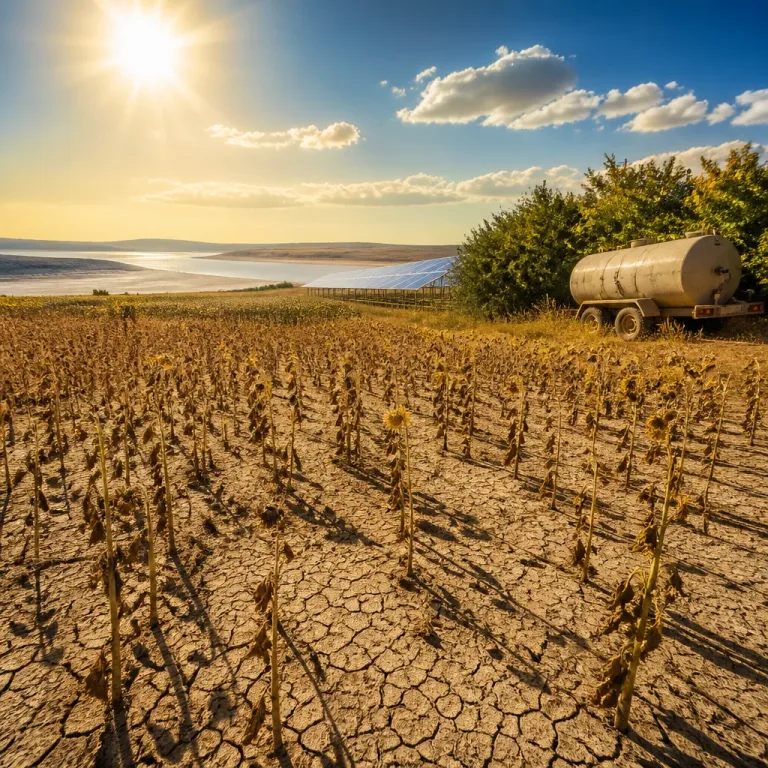
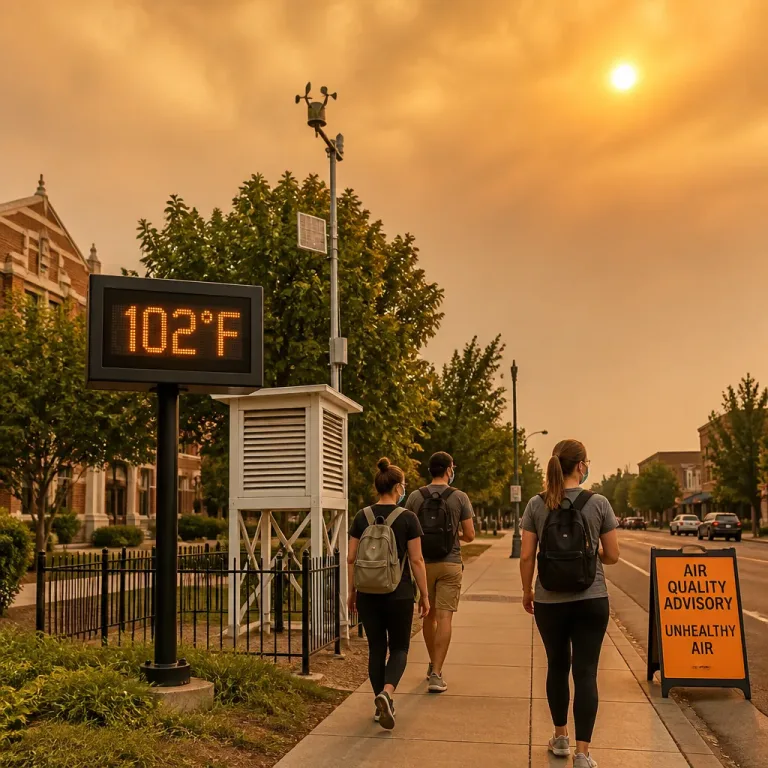
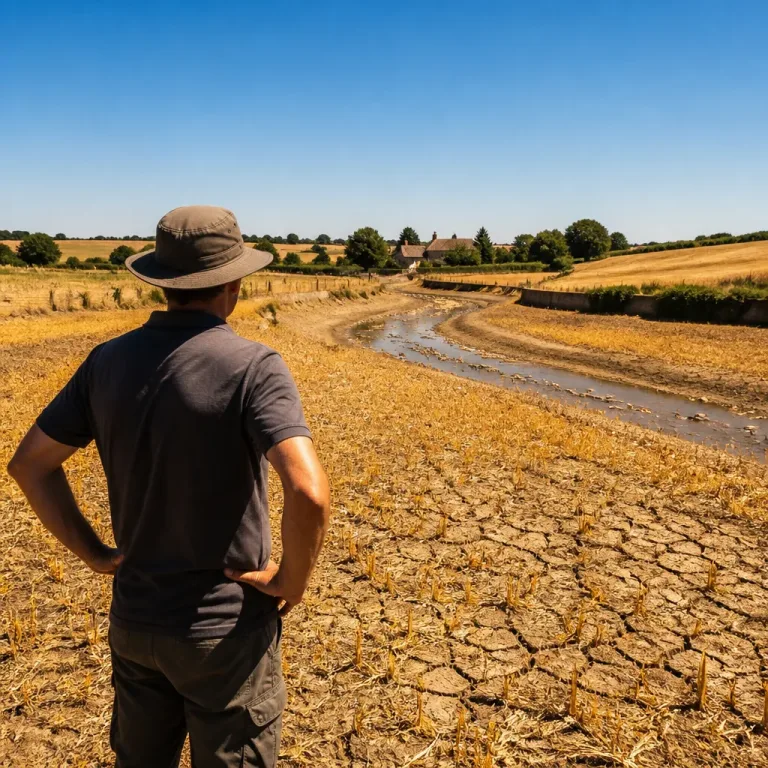
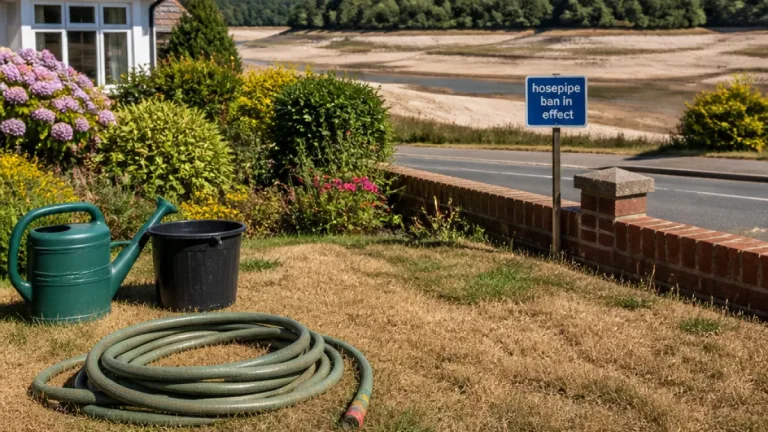
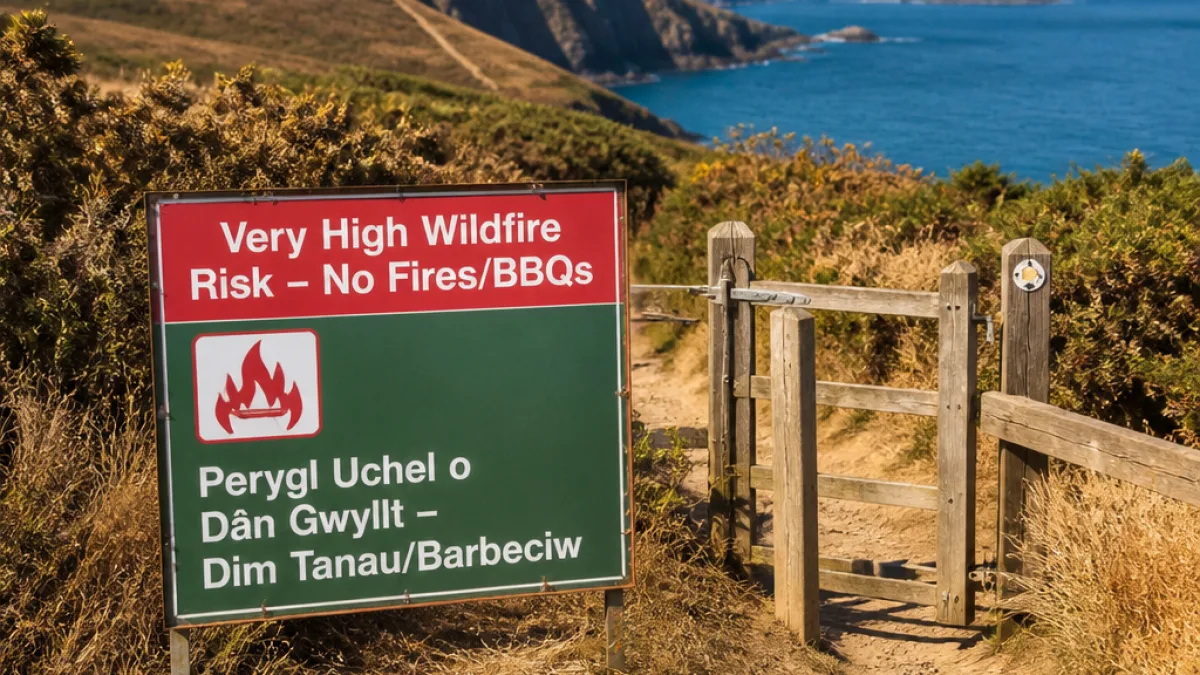
The Pembrokeshire Coast National Park Authority has renewed calls for visitors and residents to exercise "exceptional care" as the county endures a very high wildfire risk. Following a spell of hot, rainless weather that has left vegetation "exceptionally dry", the alert — first issued on Monday 13 July — remains in force and applies to the entire park estate.
The Authority warns that ground conditions now favour fires starting easily and spreading with little warning. Areas at heightened risk include coastal paths, beaches, inland commons and camping areas, many of which support rare species and internationally significant habitats that would take years to recover if burned.
There have been warnings that just one spark can start a fire that spreads rapidly, threatening people, wildlife, habitats, and some of our most precious landscapes.
Advice to the public: what not to do
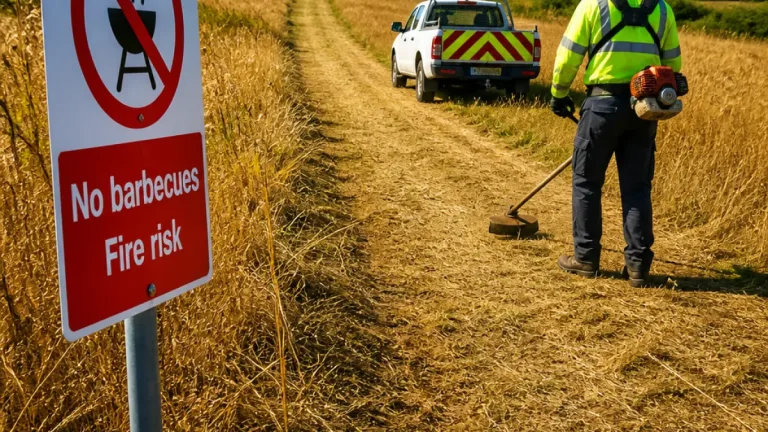
Park managers and fire officers are asking the public to change behaviour while the warning is in place. The message is simple: remove ignition sources and cut the chances of embers landing on tinder‑dry vegetation. That means taking picnics rather than cooking on open flames and considering how everyday items might become a fire risk.
- Do not light fires of any kind, including campfires.
- Avoid disposable and portable barbecues; do not use charcoal grills on grass or dunes.
- Do not set off fireworks or sky lanterns; hot debris can drift and ignite scrub.
- Extinguish cigarettes fully and never drop them on the ground or from vehicles.
- Take rubbish home; glass and litter can focus heat and start grass fires.
- Only camp where permitted and where proper facilities are in place.
Anyone sighting smoke or flames in the countryside should call 999 and ask for the fire service immediately.
Fire services on alert as campaign steps up
Mid and West Wales Fire and Rescue Service is working with the Wales Wildfire Board under the #WildfireWise campaign to highlight how quickly grass and gorse can ignite and run in hot, dry and windy conditions. The campaign emphasises the speed at which small incidents escalate when fuel is parched and winds are present.
The Met Office Fire Severity Index now reflects a sustained period where both ignition and spread are more likely. A very high status, the Authority notes, signals not just an increased chance of a fire starting, but also a greater likelihood that any blaze will become intense and long‑lasting once alight.
| Alert detail | Current status |
|---|---|
| Area covered | Pembrokeshire Coast National Park |
| Risk level | Very high (Met Office Fire Severity Index) |
| First issued | 13 July |
| Key advice | No fires or barbecues; avoid fireworks/lanterns; fully extinguish cigarettes; take litter home; report smoke via 999 |
Fragile habitats at stake
Beyond the immediate dangers to people and property, the Authority stresses the ecological toll. Many of the locations covered by the warning contain rare species and internationally important habitats. Damage from a significant fire could erase decades of habitat recovery work and lead to lengthy closures while areas regenerate.
With soils and vegetation now critically dry, even seemingly minor negligence — a discarded match or a smouldering cigarette end — could produce a fast‑moving front of flame. Bottles and other litter left in open areas can also contribute to ignition, adding avoidable strain to emergency services.
What residents and visitors can do now
Local communities, businesses and visitors can collectively reduce risk by planning days out without open flames, checking smoking materials are completely out before disposal, and by keeping a watchful eye on high‑risk landscapes. If planning to stay overnight, ensure camping is only undertaken with permission and suitable infrastructure. Prompt reporting of smoke is crucial for a rapid response.
The Authority’s clear message is that small everyday choices will determine whether Pembrokeshire sees a safe summer or faces preventable wildfires. With conditions set by prolonged warmth and lack of rain, vigilance and common‑sense precautions remain essential until the risk level is downgraded.