
Airbus’ A350‑1000ULR has completed a demanding test flight from Toulouse to Melbourne, logging more than 19 hours in the air as part of preparations for Qantas’ planned nonstop Sydney–London service under Project Sunrise.
What the test flight involved
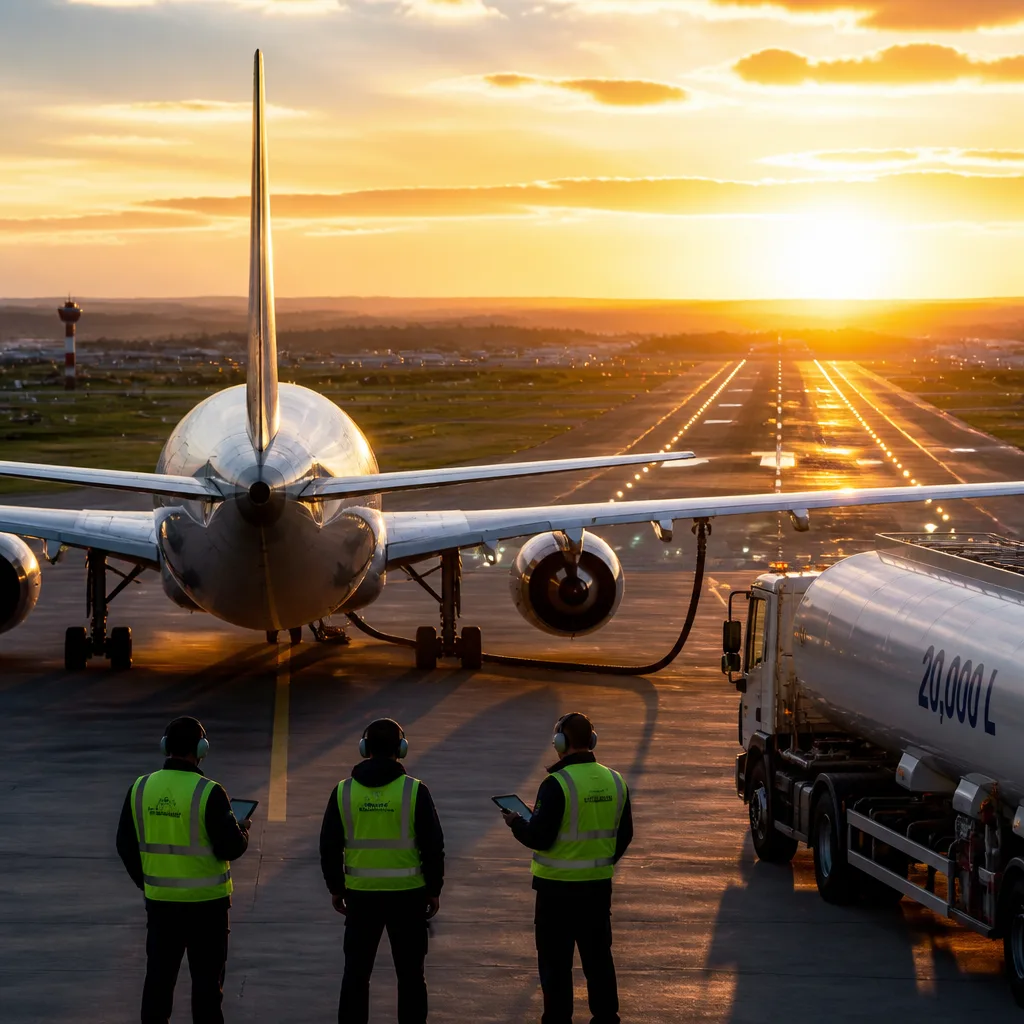
The aircraft was crewed by a team of nine flight test specialists — four Airbus flight test pilots and five flight test engineers — who assessed systems and endurance on the long sector. The jet carries an additional fuel installation, an extra 20,000‑litre tank, intended to support the extreme endurance required for routes that could run well beyond a full day.
- Test route: Toulouse → Melbourne
- Test duration: More than 19 hours
- Planned commercial duration: Up to 22 hours
- Distance: Expected to exceed 10,000 miles on scheduled services
Why the flight matters for travellers
The trial is a practical step towards launching what would be the world’s longest non‑stop commercial flight when Qantas brings online its Sydney–London service, currently pencilled in for an October 2027 start. For passengers, that promises a single‑sector crossing between the UK and Australia without change of aircraft — a considerable convenience for long‑haul travellers, though it also raises questions around in‑flight comfort, scheduling and airport handling on both ends.
Technical and operational context
The A350‑1000ULR is a variant of Airbus’ long‑range A350 family, modified to carry additional fuel for ultra‑long‑haul missions. The Toulouse test aimed to validate endurance, systems performance and the aircraft’s behaviour on extended flight cycles. The scale of the project is underlined by the duration and distance figures, which move scheduled operations into territory few commercial services have occupied.
| Item | Figure |
|---|---|
| Test flight time | More than 19 hours |
| Projected scheduled time | Up to 22 hours |
| Projected distance | More than 10,000 miles |
| Additional fuel tank | 20,000 litres |
What to expect next
Further certification flights and operational trials will be required before regular service can begin. Airlines and airports will need to finalise crew rostering, passenger services and ground operations to support such prolonged sectors. When it launches, the Sydney–London nonstop will represent a milestone in ultra‑long‑haul aviation and could change how people plan journeys between the UK and Australia.
For prospective travellers, this development is worth watching: the promise of a direct, single‑flight option is tempting for those who value time savings, but the industry will need to ensure comfort, health measures and efficient airport processing keep pace with the technical achievement.