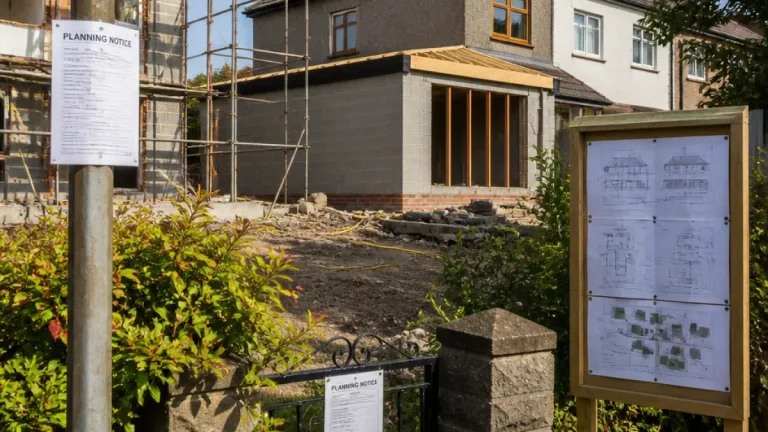

Residents living close to the Homes by Honey housing development on Abb Scott Lane, Low Moor, say they have endured months of disruption after construction work repeatedly started in the early hours.
Claims of work outside permitted hours
A neighbour, who wished to remain anonymous, told the Telegraph & Argus that building activity has taken place before 6.30am on weekdays, before 7am on Saturdays and before 8am on Sundays. They said the noise was affecting ordinary families in the area, including households with young children and people working shift patterns.
"Residents living around the development have been subjected to months of disruption since construction work began... Many have young children, work shifts, or simply expect to enjoy their homes without being woken by construction activity before dawn."
According to the resident, the timings cited fall outside the anticipated working hours set out in Homes by Honey's Construction Environmental Management Plan Framework, a document sighted by the Telegraph & Argus.
Complaints to developer and council
The neighbour said concerns have been raised repeatedly with both the developer and Bradford Council, but that the alleged breaches have continued. They described the developer's replies to many complaints as generic reminders to site staff, with little apparent improvement.
- Work allegedly starting before 6.30am on weekdays
- Work allegedly starting before 7am on Saturdays
- Work allegedly starting before 8am on Sundays
Residents are calling on the developer to comply with the planning conditions and working-hour restrictions that exist to protect those living nearby.
| Claimed start time | Resident comment |
|---|---|
| Before 6.30am (weekdays) | Described as waking households and disrupting shifts |
| Before 7am (Saturdays) | Alleged to be outside anticipated hours in project plan |
| Before 8am (Sundays) | Reported as causing significant disturbance to families |
Local impact and wider issues
Beyond the immediate noise and disruption, disputes over construction hours can strain relationships between developers and communities and place pressure on local authority enforcement teams. Neighbourhoods close to new housing sites are often particularly sensitive to out-of-hours working because of the concentration of homes and the expectation that planning conditions will be enforced.
For residents in Low Moor, the continuing disturbance has practical consequences: disrupted sleep, difficulties for parents caring for young children, and added stress for people working irregular hours. The anonymous neighbour said families were simply asking for the developer to honour the conditions that were set to protect neighbours.
At the time of publication, the Telegraph & Argus had seen the Construction Environmental Management Plan Framework referenced by residents but has not been provided with any formal statement from Homes by Honey to set out how it is addressing the complaints.
The council and developer have previously been the first point of contact in similar disputes; residents say they expect more robust action when planning conditions appear not to be followed.
Work on housing developments in built-up areas often involves a balance between meeting project timetables and minimising impacts on neighbouring homes. Where that balance is alleged to have tipped in favour of progress at the expense of residents’ wellbeing, the matter typically becomes one for local planning enforcement and continued dialogue between all parties.