An inquest into the death of 19-year-old University of York student Evan Geoffrey d'Andilly has heard he spent around 20 minutes in the River Ouse calling for help before he disappeared beneath the water.
What the inquest revealed
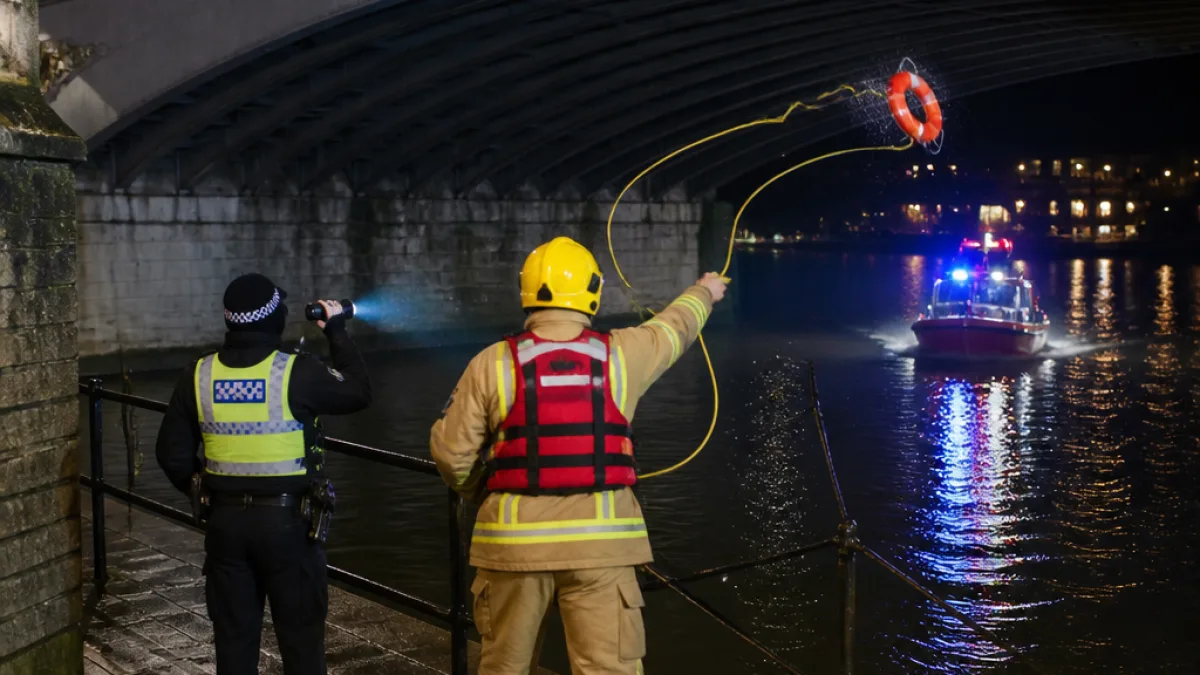
CCTV shown at North Yorkshire Coroner's Court captured Evan entering the river from the Ouse Bridge in York at about 3.03am on 5 March last year after a night out in the city. Officers arrived within two to three minutes and an officer on the bank reassured him that help was on the way, while shining torches towards him and throwing a life ring which failed to reach him.
“Evan lost a substantial chance of survival.”
The remark was attributed to Evan’s mother, Lorraine d'Andilly, at a previous hearing, where she criticised the available riverside rescue equipment — reach poles and throw lines with ranges of about 18m and 20m respectively — as inadequate for a person in the middle of the river.
Timeline given to the court
| Event | Time |
|---|---|
| Evan enters the River Ouse | 3.03am |
| Police arrive | within 2–3 minutes |
| Fire crews notified | 3.09am |
| Appliances from Acomb and York arrive | 3.14am and 3.18am |
| North Yorkshire Fire and Rescue boat (from Selby) arrives | 3.37am |
The inquest heard the river was about 41 metres wide at that point, and that the life ring and shore-based equipment were unable to reach Evan, who was reported to have been in the middle of the river.
Witness accounts and community resources
A fellow student’s statement read to the court said the group had been drinking in the city centre before walking together and that there was “no indication” Evan was going to fall from the bridge. The volunteer-run York Rescue Boat, moored at King’s Sta..., was mentioned in reporting to the court, indicating local voluntary resources are part of the wider rescue picture.
- Key issues raised: reach and suitability of riverside rescue kit.
- Response times: initial police presence was rapid, but specialist boat arrived after a significant delay.
- Impact: family concerns that equipment shortcomings reduced the chance of survival.
The inquest continues to consider the circumstances surrounding Evan’s death and the adequacy of the emergency response. The case highlights ongoing safety questions for riverside areas in York, particularly at night and where the river is wide, and may prompt reviews of equipment, deployment of specialist water rescue resources and the role of volunteer crews in city-centre incidents.
Further hearings are expected to consider whether any changes to procedures or provision are required to reduce the risk of similar tragedies in future.