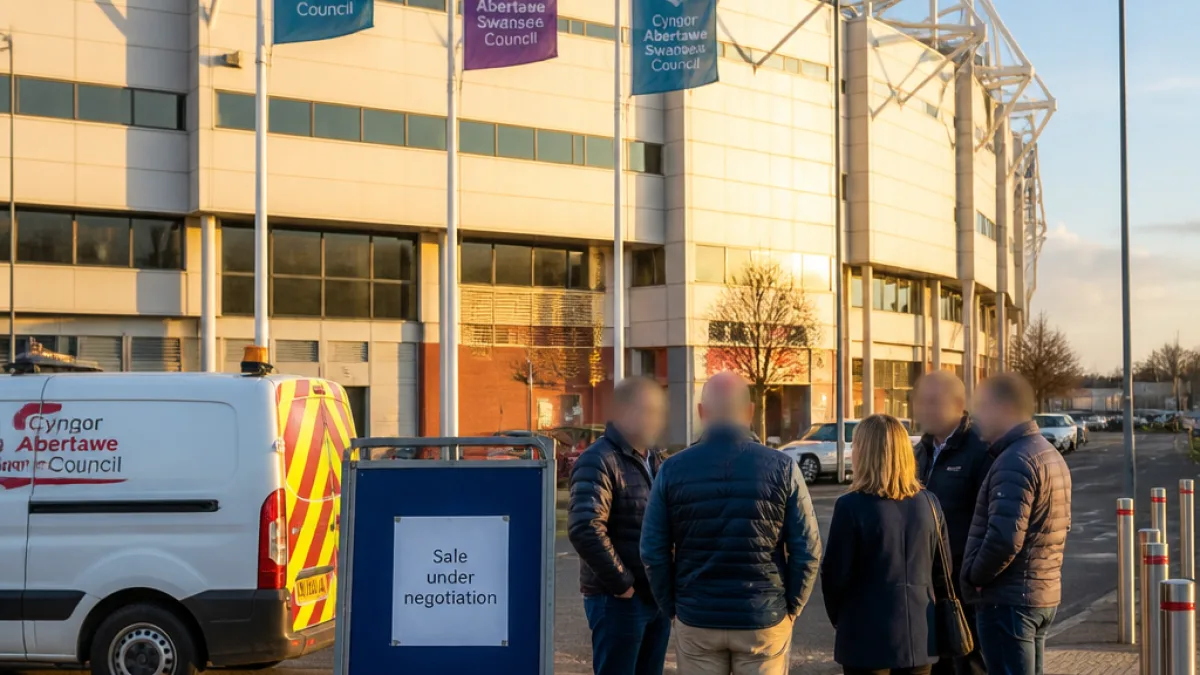
Swansea Council has taken the decision to transfer ownership of the Swansea.com Stadium to Swansea City after a unanimous vote by the cabinet on Thursday. The move was described by the club as one that will "safeguard their future", but the sale price and some deal elements are being withheld by the council because they remain commercially sensitive.
Why the price remains secret
At the cabinet meeting council officers explained that legal advice recommended keeping financial details confidential while elements of the transaction remain under negotiation. Chief legal officer Lucy Moore said any figures are, "at this moment in time commercially sensitive" because the deal has not been finalised.
"At this moment in time commercially sensitive."
The council leader, Rob Stewart, told members the authority sought an open-market valuation and had secured a sale price "which is in excess of that". He added there are further components of the agreement that could bring additional sums to the taxpayer if certain conditions are met — the cabinet report links extra payments to promotion.
Questions from opposition and wider context
Opposition councillors pressed for clarity on how transferring ownership of the ground benefits the footballing side of the club and whether public interest is best served by selling a substantial public asset. Opposition leader Cllr Chris Holley warned the council will lose control of an asset belonging to the people of Swansea and noted examples where councils retain stadium ownership while clubs operate on long leases.
- Cabinet unanimously approved the sale of the freehold to Swansea City.
- The sale price has not been published because the deal is still subject to negotiation.
- The council says it has secured a price above an open-market valuation and there are contingent payments linked to promotion.
Immediate implications for the city
For Swansea residents the sale raises practical and political questions. Ownership by the club could mean more direct control over stadium development and potential new revenue streams for the team. Conversely, transferring the asset removes direct council oversight and could change how the stadium is used in future, including community access and long-term maintenance obligations.
| Issue | Stated position |
|---|---|
| Decision | Cabinet agreed unanimously to sell the freehold to Swansea City |
| Price disclosure | Not published; described as commercially sensitive during ongoing negotiations |
| Potential future receipts | Additional payments could arise if linked conditions, such as promotion, occur |
As the sale moves from cabinet approval to finalisation, residents and councillors will expect greater transparency about the final terms and assurances on how community interests will be protected. The council’s emphasis on securing a fair valuation and potential future sums will form part of the scrutiny as details are released.
Information about the exact financial terms and any associated guarantees remains withheld for now, pending the conclusion of negotiations and further legal advice. Local people and supporters will be watching closely to see how this transfer shapes the club’s ambitions and the stadium’s role in Swansea life.