European football's governing body has confirmed it will withdraw its national teams from all Fifa competitions unless a proposal to cede commercial stakes in world tournaments to private investors is dropped. The decision was reached unanimously by Uefa's 55 member associations following an emergency meeting.
Immediate implications for British teams
The announcement places England, Scotland, Wales and Northern Ireland in a precarious position ahead of key fixtures. Several home nations face two-legged play-offs this October to reach the next Women's World Cup, while teams that compete in youth and senior competitions could also be affected if the boycott is implemented.
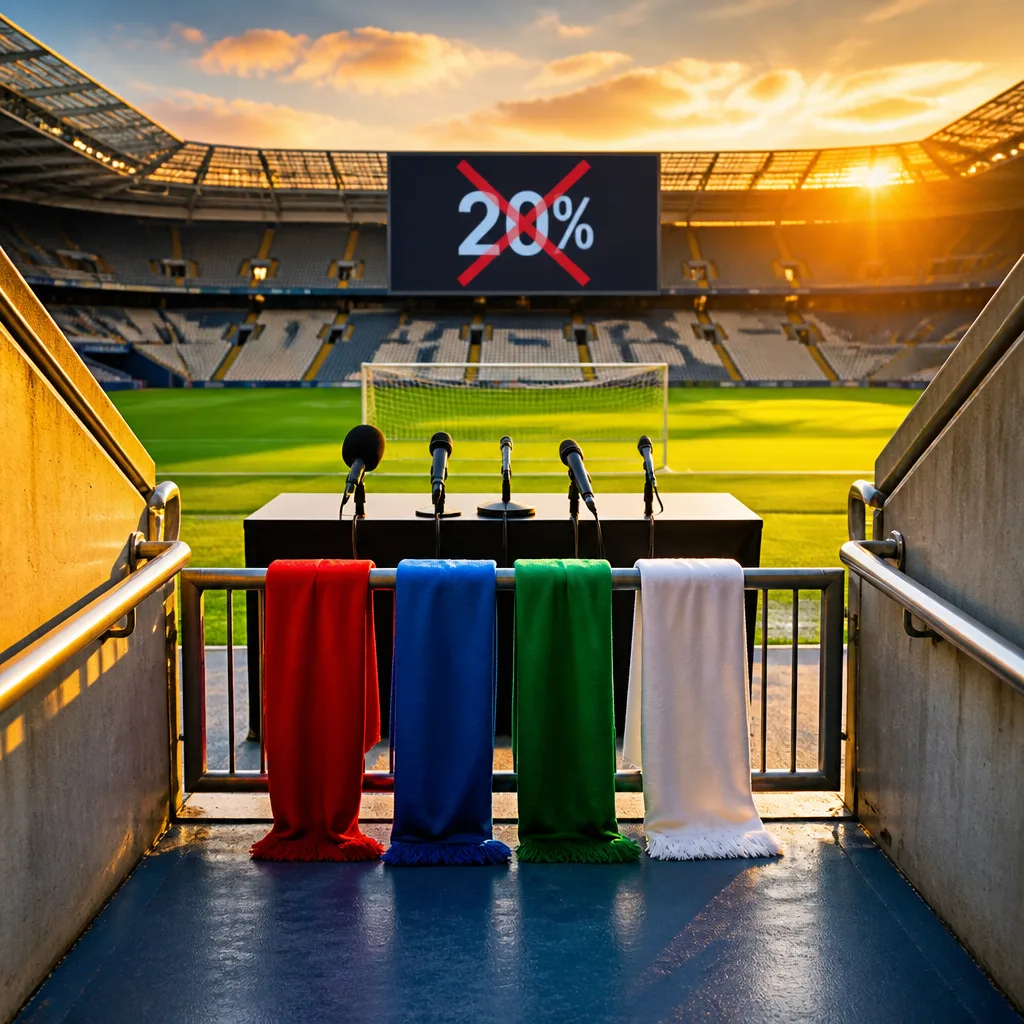
Uefa has framed the move as an attempt to preserve the governance of global competitions from what it sees as an inappropriate transfer of rights to private capital. The Fifa plan under scrutiny envisages a newly created commercial vehicle to manage lucrative tournaments, with around 20% of the company proposed for sale to outside investors. The vehicle reportedly would be financed by third-party groups led by investors including Thrive Eternal, connected to Joshua Kushner.
“No Uefa national teams will participate in any Fifa competition for so long as these proposals remain alive.”
Why Uefa's stance matters
Uefa's boycott carries substantial leverage because European nations contribute heavily to the sporting and commercial value of events such as the World Cup. Absent teams from the continent — including recent champions and high-profile sides — the appeal and revenue of those tournaments would be materially diminished for broadcasters, sponsors and hosts.
- 55 member associations backed the unanimous decision.
- The contested commercial vehicle would be partly owned by private investors (about 20% sale proposed).
- Thrive Eternal, led by Joshua Kushner, has been named among potential backers.
Broader context and consequences
The row comes at a time when international calendars are crowded and commercial deals drive much of the game's income. Uefa officials and national associations say their priority is to prevent a shift that would, in their view, put control of the game’s flagship events into private hands. If the standoff persists, there is a risk of disrupted qualification processes, compromised tournaments and complex legal and sporting battles between Fifa and continental federations.
| Event | Relevance |
|---|---|
| Women's World Cup play-offs (October) | England, Scotland, Wales, Northern Ireland affected |
| 2030 World Cup | Major European involvement in hosting; commercial stakes at issue |
Fifa has yet to publish a formal response to Uefa's announcement. The coming days are likely to see intense diplomatic activity inside world football as associations, commercial partners and national governments assess the potential fallout. For British supporters and governing bodies, the central question is simple: whether players and national teams will be caught between a commercial restructuring at Fifa and a united European stand to keep major competitions under collective sporting control.
Reportage will continue as the situation unfolds and any formal reactions from Fifa, the English FA and other home nation associations are issued.