Former library redevelopment halted on environmental grounds
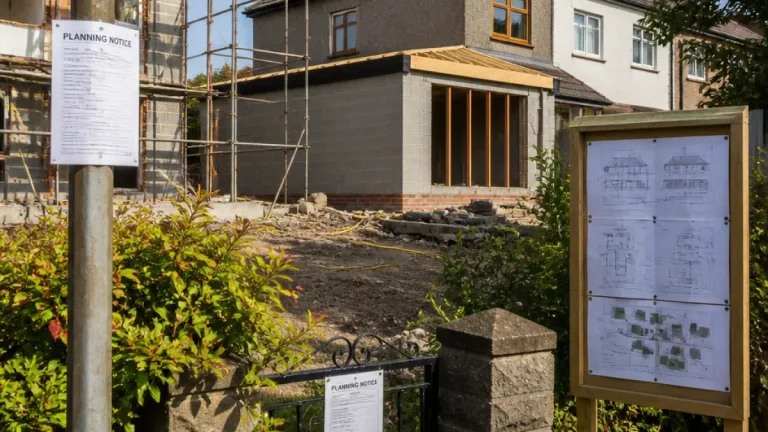
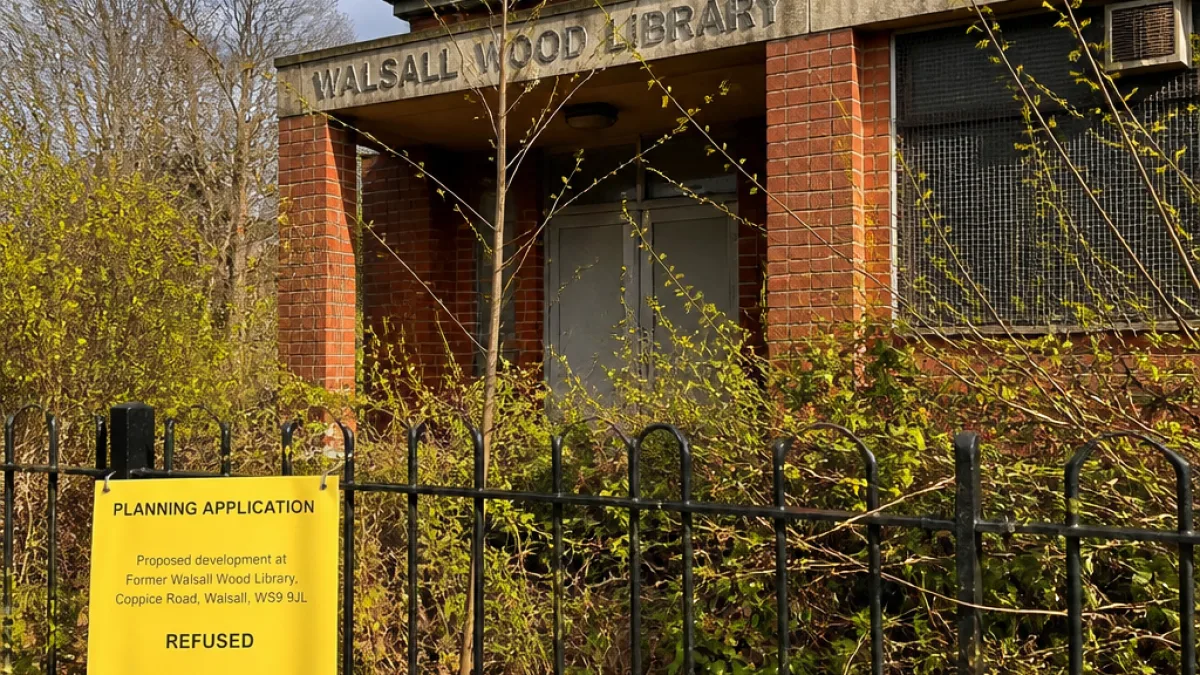
Plans to transform the disused Walsall Wood Library on Coppice Road into four two-bedroom apartments have been refused by Walsall Council after the applicant failed to supply the evidence needed to meet the national 10% biodiversity net gain requirement.
The building, closed by the council in 2017 and later sold at auction in 2020 for £319,000, has seen multiple redevelopment attempts. The latest proposal, lodged by Integrated Designs and Associates Ltd, sought to reuse the former library with vehicle access from Lichfield Road. However, officers said the application did not provide sufficient information to show how the scheme would deliver the ecological improvements mandated by the Environment Act 2021.
Why biodiversity evidence is now decisive
Under rules now in force, most developments must demonstrate at least a 10% net gain in biodiversity compared with the pre-development baseline, typically using recognised habitat metrics and a clear plan for on-site or off-site delivery. In this case, the council stated the applicant was given time and opportunity to submit the necessary detail but did not do so.
Officials said the applicant had been offered “sufficient opportunity” to provide the required biodiversity information, but none was submitted.
Objections were lodged by neighbours citing potential privacy loss, noise and wider impact on local character. Further representations came from The Wildlife Trust and the council’s ecology advisers, focusing on the biodiversity shortfall. Highways also raised safety concerns, though officers subsequently concluded the scheme would not worsen the existing situation because there is already an established access point to the plot. On design and character, the council judged the proposals broadly in keeping with the surrounding area.
What the decision means for the site
The refusal does not close the door on redevelopment of the building, but it underscores that in Walsall, as elsewhere, applicants must now show clearly how projects will enhance habitats. For this site, that could mean updating plans with detailed ecological surveys, applying the accepted biodiversity metric, and setting out how gains would be delivered and maintained—on the plot or via approved off-site measures—before any resubmission.
- Planning outcome: Refusal due to insufficient evidence of 10% biodiversity net gain.
- Other considerations: Highways impacts deemed acceptable; design judged consistent with local character.
- Next steps: Applicant could revise and resubmit with compliant biodiversity documentation.
Long-running saga of a landmark community building
Since the library’s closure in 2017, the Coppice Road site has seen six planning applications, reflecting both pressure for new housing and the challenge of repurposing community assets sensitively. The building’s auction in 2020 marked a change in stewardship, but the route to redevelopment has remained complex—now shaped heavily by environmental compliance as well as neighbourhood concerns.
| Key milestone | Detail |
|---|---|
| 2017 | Walsall Wood Library closed by Walsall Council |
| 2020 | Site auctioned; achieved £319,000 |
| 2017–2026 | Six planning applications submitted for the site |
| Latest decision | Refusal over lack of biodiversity net gain evidence |
Context for developers and residents in Walsall
This case is a clear signal to applicants across Walsall that biodiversity net gain is not a box-ticking exercise but a mandatory threshold. Where proposals cannot demonstrate quantifiable habitat improvements, refusal is likely regardless of otherwise acceptable highways or design findings. For residents, the decision may delay immediate changes at the former library, but it reinforces environmental safeguards intended to ensure that development, when it proceeds, leaves nature in a measurably better state than before.
Should the applicant return with the required ecological information and a deliverable enhancement plan, the balance of planning factors—already found acceptable in terms of character and access—could be reassessed. Until then, the future of this long-vacant public building remains undecided.